
Common Causes of Coating Corrosion Failure is a critical topic for asset owners, maintenance teams, and corrosion specialists who need to understand why protective coatings break down and how recurring damage can be reduced. In practical terms, coating corrosion failure happens when a coating can no longer isolate the substrate from moisture, oxygen, salts, or chemicals, and corrosion starts under or through the film. The most common drivers are poor surface preparation for corrosion control, contaminated substrates, incorrect film thickness, and exposure conditions that exceed the coating system’s design limits.
Key Takeaways
Coating corrosion failure usually begins at weak prep, not at the visible rust line.
Adhesion loss, contamination, and moisture entry are the three most common root causes.
Substrate type and environment change the failure pattern, repair method, and inspection interval.
A coating corrosion failure checklist reduces repeat defects by standardizing inspection and maintenance.
Jinling’s industrial coating approach should be evaluated by substrate, exposure class, and lifecycle cost.
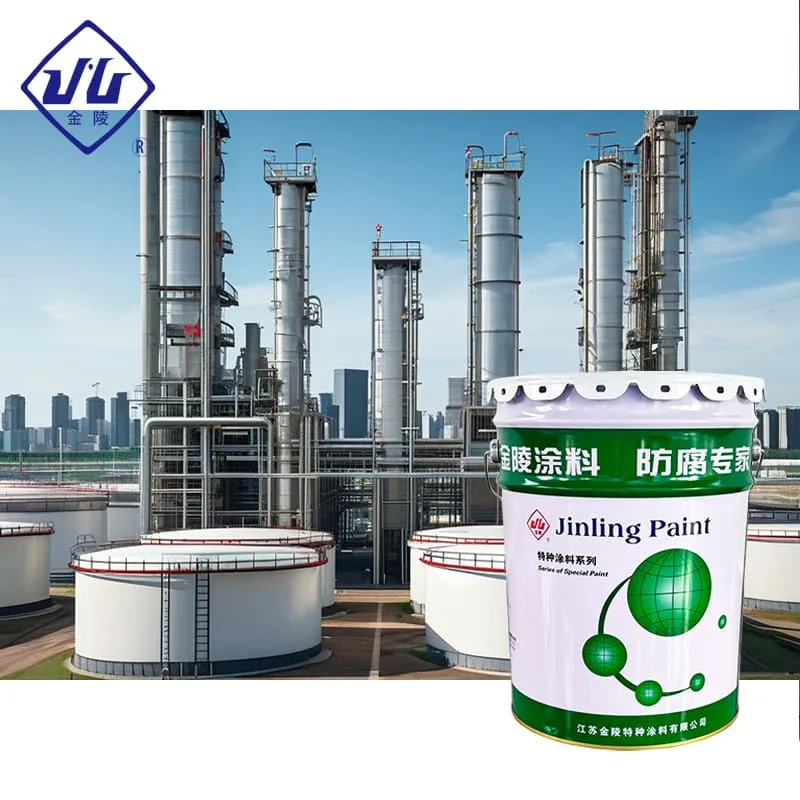
Coating corrosion failure is the loss of barrier protection that allows corrosion to start on, under, or through a protective film. In one sentence, it means the coating no longer prevents water, oxygen, salts, or chemicals from reaching the metal surface, so corrosion begins and spreads. The most common causes are inadequate surface preparation, poor adhesion, incorrect dry film thickness, and environmental exposure beyond the coating’s rated service conditions. For buyers comparing Industrial Anti Corrosion Coating options, this definition matters because failure mode determines the correct repair, not just the next repaint.
The process is usually progressive rather than sudden. Corrosion often starts at pores, pinholes, edges, welds, or areas where substrate contamination was not removed before coating. Once moisture gets under the film, corrosion products expand and create more stress, which increases blistering, cracking, and underfilm spread. This is why coating corrosion failure causes must be analyzed as a chain: prep defect, adhesion defect, exposure defect, and maintenance defect.
A useful way to explain why coatings fail from corrosion is to divide the causes into four categories: surface, application, environment, and maintenance. Industry field data repeatedly shows that surface-related problems lead the list because coating adhesion depends on the substrate condition at the moment of application. If rust, oil, salt, dust, or moisture remain on the surface, the coating may look intact at first but fail early under service loads. In corrosion engineering terms, the visible defect is often the last stage, not the first cause.
Poor preparation is the most common root cause in many coating corrosion failure examples. If mill scale, rust, grease, soluble salts, or dust remain on the surface, the coating bonds to contamination instead of the substrate. That weak interface can collapse under humidity cycles, impact, vibration, or immersion. For that reason, the most practical first step in surface preparation for corrosion control is to verify cleanliness, profile, and dryness before any coating goes on.
Surface preparation is not only about removing rust. It also includes confirming anchor profile, checking for soluble salt levels, and making sure welds, edges, and corners are properly treated. In industrial work, edge retention and weld coverage are common failure points because film build is often thinner there than on flat steel. If those areas are underprepared, corrosion starts locally and then extends under the surrounding film.
Adhesion failure in protective coatings occurs when the film does not bond strongly enough to resist mechanical and environmental stress. This can happen because of contamination, but it can also result from incompatible primers, poor mixing, expired materials, or cure conditions outside the product window. When adhesion is weak, the coating may blister, peel, or delaminate before the substrate shows widespread rust.
The practical significance is that adhesion is not a single test result; it is a system outcome. A coating may pass initial visual inspection yet fail under thermal cycling, humidity, or chemical splash if intercoat timing is wrong. For maintenance teams, adhesion failure is one of the clearest signs that the original coating system, not only the topcoat, needs review.
Environmental exposure is the third major driver of failure, especially in marine, coastal, and chemical plant settings. High humidity, salt spray, UV exposure, cyclic wet-dry conditions, and immersion all accelerate coating breakdown. In corrosion resistance in marine environments, for example, even a well-applied system will fail early if the coating type is not selected for chloride-rich exposure and regular inspection is not scheduled.
Different environments create different failure signatures. A coastal structure may show edge rusting and blistering from salt contamination, while a chemical storage area may show softening, staining, or film loss from solvent attack. This is why the same coating cannot be treated as universal across all assets.
Film thickness and coating performance are tightly connected because too little film leaves pores and thin spots, while too much film can trap solvents or create curing defects. Dry film thickness must match the product specification and the service environment. If the coating is applied below target thickness, the barrier becomes easier for moisture and ions to penetrate.
Cure control matters as much as thickness. High humidity, low temperature, or early exposure to service conditions can interrupt proper film formation. A coating that has not cured correctly may show low hardness, poor solvent resistance, or early blistering. This is one reason coating failures are often linked to application conditions rather than just product selection.
Corrosion under a barrier coating usually starts when water and ions reach the substrate through a defect, pore, edge, or damaged area. Once the substrate is exposed, corrosion products occupy more volume than the original metal, which creates lifting stress under the coating film. That stress can extend the defect laterally, so a small breach becomes a larger underfilm corrosion zone.
This propagation pattern helps explain why spot repairs sometimes fail when the root cause is not corrected. If contamination remains, or if the repair overlaps a degraded edge without proper feathering and surface preparation, the corrosion front can continue under the new film. In practice, the visible rust stain may be only a few millimeters wide, while the underfilm defect can extend much farther.
For asset owners, the main lesson is that corrosion is a system failure, not a paint-only issue. The coating must block ingress, the substrate must be clean, and the environment must fit the coating’s design envelope. If any of those three conditions is violated, the failure risk rises sharply.
Different substrates fail in different ways, so a single diagnosis method does not fit every asset. Steel, galvanized steel, aluminum, and concrete each have distinct surface chemistry, profile needs, and contamination risks. Likewise, atmospheric, marine, buried, and immersion service conditions create different corrosion paths and inspection priorities.
| Substrate / Environment | Typical Failure Mode | Common Trigger | Diagnostic Focus |
|---|---|---|---|
| Carbon steel / atmospheric | Edge rusting, peeling, underfilm corrosion | Poor blasting or salt contamination | Surface cleanliness and profile |
| Carbon steel / marine | Blistering, rapid undercutting | Chloride exposure, poor topcoat selection | Salt testing and edge retention |
| Galvanized steel / outdoor | Adhesion loss, flaking | Inadequate pretreatment, low surface energy | Pretreatment compatibility |
| Aluminum / industrial | Localized delamination | Oxide layer, contamination, mismatch | Conversion treatment and compatibility |
| Concrete / chemical area | Coating lift, staining, pinhole corrosion at rebar zones | Moisture vapor, alkalinity, cracking | Moisture condition and substrate repair |
This comparison matters because protective coating systems for industrial assets should be selected by both substrate and exposure class. A system that works on carbon steel in dry indoor service may fail quickly on coastal equipment or chemically exposed structures. When teams use the same specification across all assets, they often create hidden risk in the highest-exposure areas.
A symptom-based decision tree helps maintenance teams reduce guesswork and shorten repair time. If the coating is blistering, the first question should be whether moisture, osmotic pressure, or substrate contamination is present. If the coating is peeling or delaminating, the likely causes are poor adhesion, incorrect cure, or incompatible layers.
If rust appears mainly at edges and welds, the issue is often insufficient profile or film build in geometrically complex areas. If corrosion appears in scattered spots across the panel, contamination, pinholes, or application inconsistency are more likely. If the film is intact but has chalking or color change, the problem may be UV degradation rather than active corrosion, which changes the repair plan.
A simple practical rule is this: match the symptom to the failure layer. Blistering usually points to moisture or contamination. Peeling usually points to adhesion or compatibility. Rust breakthrough usually points to film defect, edge loss, or environmental overload.
A structured coating corrosion failure checklist helps teams avoid repeat defects and identify risk earlier. The checklist should be used at initial inspection, after repair, and during scheduled maintenance intervals. For industrial assets, a 6-month visual check is common in moderate exposure, while coastal or immersion service often needs more frequent review.
Check for blistering, peeling, cracking, rust staining, and edge breakdown.
Verify dry film thickness against specification.
Test for visible contamination, including dust, oil, and soluble salts.
Inspect welds, seams, corners, fasteners, and cut edges separately.
Confirm that previous repairs were feathered and fully cured.
Document environment, humidity, and service exposure at the time of inspection.
Every 3 months: high-exposure marine or chemical service visual check.
Every 6 months: general industrial atmospheric service inspection.
Every 12 months: detailed coating condition review and spot repair planning.
After major events: inspect after storms, spills, thermal shock, or mechanical damage.
This checklist is especially useful when comparing suppliers or planning lifecycle budgets. A coating system with lower initial cost but repeated spot failures may create more labor, more shutdown time, and more substrate loss over a 5- to 10-year period. For that reason, inspection frequency should be part of total cost analysis, not treated as a separate maintenance task.
Coating corrosion failure means the protective film no longer keeps corrosive agents away from the substrate, so rust or other corrosion forms beneath or through the coating. The main causes are poor surface preparation, weak adhesion, incorrect thickness, and exposure conditions that exceed the coating’s design limit. In practical maintenance work, the first visible sign is often blistering, peeling, or rust staining at edges and damaged areas.
Prevention starts before the coating is applied. Teams should confirm substrate cleanliness, salt levels, surface profile, mixing ratios, and environmental conditions before starting work. That sequence matters because once the film is applied, many prep defects become expensive to correct.
The next step is to match the coating system to the asset’s service environment. A system intended for indoor atmospheric exposure will not perform the same way in salt spray, immersion, or chemical splash zones. Product selection should consider temperature range, chemical contact, mechanical damage risk, and access for future inspection.
A third preventive measure is controlled inspection after application. Measure film thickness, check cure, and record coating conditions during the work window. If the asset is in a critical service line, set the inspection interval before failure occurs rather than waiting for visible rust.
When evaluating protective coating systems for industrial assets, buyers should compare the system as a whole, not just the topcoat label. The important variables are substrate compatibility, pretreatment method, primer chemistry, film thickness range, and environmental rating. Systems with better corrosion resistance often require tighter application control, so procurement decisions should account for labor skill and inspection cost.
A practical comparison should include these points:
Surface preparation standard required before application.
Target dry film thickness and allowed tolerance.
Expected service environment: atmospheric, marine, buried, or immersion.
Repairability after damage.
Inspection interval and maintenance burden.
In many industrial projects, lifecycle cost is a better decision metric than initial purchase price. A system that costs 15% more up front but reduces repainting frequency from every 3 years to every 6 years can lower total labor and shutdown expenses over the asset life. The exact numbers depend on substrate condition, exposure class, and access constraints, but the principle remains the same: failure frequency drives cost.
Coating failure affects more than appearance. It increases corrosion rate, reduces asset life, and can raise repair cost through scaffold, labor, shutdown, and surface rework. In industrial environments, a small coating defect can expand into substrate repair, which is much more expensive than correcting a prep or application issue early.
The economic logic is straightforward. If inspection finds a localized defect at a 2 square meter area, the repair may stay limited to spot preparation and recoating. If that same defect is ignored for 12 months in a corrosive environment, the repair can expand to full section replacement, extended shutdown, and additional corrosion mitigation work. That is why coating corrosion failure guide content should always include inspection timing and not only product selection.
Jinling is often evaluated by buyers looking for industrial coating supply, especially when the project requires consistent specification control and repeatable application conditions. For procurement teams, the important questions are not just brand name and price, but whether the system is designed for the actual substrate, environment, and maintenance plan. A vendor review should include technical data sheets, recommended surface preparation standard, film thickness targets, cure conditions, and inspection intervals.
When assessing a supplier such as Jinling, compare the coating system against service conditions like marine exposure, plant atmosphere, chemical splash, and mechanical wear. Also confirm whether the repair process is practical for your maintenance team, because a technically strong coating can still become expensive if the application window is too narrow or the field inspection requirements are too high. This is where a structured comparison of product data and field maintenance history becomes more useful than a simple catalog review.
One common scenario is a steel structure that was coated over lightly rusted or dusty steel, then exposed to repeated humidity cycles. The coating may look acceptable for several months, but rust begins at the weakest adhesion points and spreads under the film. Another scenario is coastal equipment that uses a generic industrial coating instead of a marine-rated system, leading to fast edge rust and blistering.
A third scenario is maintenance repainting over an old coating without removing unstable layers. The new film may adhere to the old defect rather than the substrate, creating a layered failure that appears after the first seasonal temperature change. These cases all point to the same lesson: the failure often begins before the coating is visible on the asset.
The right choice depends on substrate, environment, exposure duration, and maintenance access. If the asset is in marine service, prioritize corrosion resistance, edge coverage, and repairability. If the asset is in a controlled indoor environment, the focus may shift toward application efficiency and inspection simplicity.
Use this decision table as a starting point:
| If you need... | Choose... | Because... |
|---|---|---|
| Coastal or marine exposure protection | Marine-rated coating system | Salt and humidity accelerate underfilm corrosion |
| Fast field repair on industrial steel | Coating system with clear prep window | Reduces application error and downtime |
| Long inspection intervals | High-build system with documented thickness control | Better barrier performance and easier QA |
| Mixed substrate assets | Compatible primer-topcoat system | Reduces adhesion and compatibility failure |
| Lower lifecycle cost | System with scheduled maintenance plan | Reduces repeat recoating and labor |
This is where the difference between coating performance and coating economics becomes clear. A lower-priced product can appear attractive if only material cost is compared, but a system with lower rework rate and longer inspection interval may produce a better lifecycle outcome. Buyers should evaluate not only purchase price, but also prep labor, inspection frequency, access cost, and downtime exposure.
Before approving a project, buyers should ask for four things: the substrate preparation standard, the expected dry film thickness range, the environmental exposure rating, and the maintenance interval plan. If any of those are missing, the risk of coating corrosion failure increases. The review should also include whether the repair plan is designed for spot repair, partial recoating, or full-system replacement.
For industrial procurement teams, these questions reduce delivery and compliance risk. They also improve apples-to-apples comparison between suppliers because the answer reveals whether the coating system is being sized for the actual job. If two suppliers quote different prices, the lower cost may simply reflect reduced prep requirements, lower thickness, or fewer inspection steps rather than better value.
Common Causes of Coating Corrosion Failure usually come down to four factors: poor surface preparation, weak adhesion, environmental exposure beyond design limits, and insufficient maintenance. The failure often starts under the film, not at the visible rust spot, so diagnosis should always include substrate condition, film thickness, and the service environment. If you want to reduce repeat repairs, start with surface preparation for corrosion control, verify the coating system fits the asset exposure, and use a coating corrosion failure checklist with fixed inspection intervals.
Understanding Common Causes of Coating Corrosion Failure helps teams choose better coating systems, lower repeat repair risk, and control lifecycle cost more accurately. For industrial buyers comparing protective coating systems for industrial assets, the best next step is to document current failure symptoms, map them to substrate type and exposure class, and then verify the supplier’s recommended prep and inspection requirements. That process is especially useful when evaluating products from Jinling or any other industrial anti-corrosion coating supplier, because it shifts the decision from price only to total service cost and failure risk.
Previous: Anti corrosion coating maintenance tips
Next: How to Choose the Best Snow-Melt Agent for Your Project
Copyright:@2020-2021

Comments Please sign in or sign up to post.
0
0 of 500 characters used