
Anti corrosion coating maintenance tips are essential for extending coating life, reducing rust, and protecting metal surfaces in harsh environments. In this guide, you'll learn how to inspect, clean, repair, and maintain protective coatings so they keep performing over time. The focus is on three priorities: surface preparation and cleaning, inspection for existing rust or corrosion, and application technique under the right environmental conditions. For readers managing Industrial Anti Corrosion Coating systems from Jinling, the goal is to reduce coating failure, lower rework rates, and improve total cost of ownership with a repeatable maintenance plan.
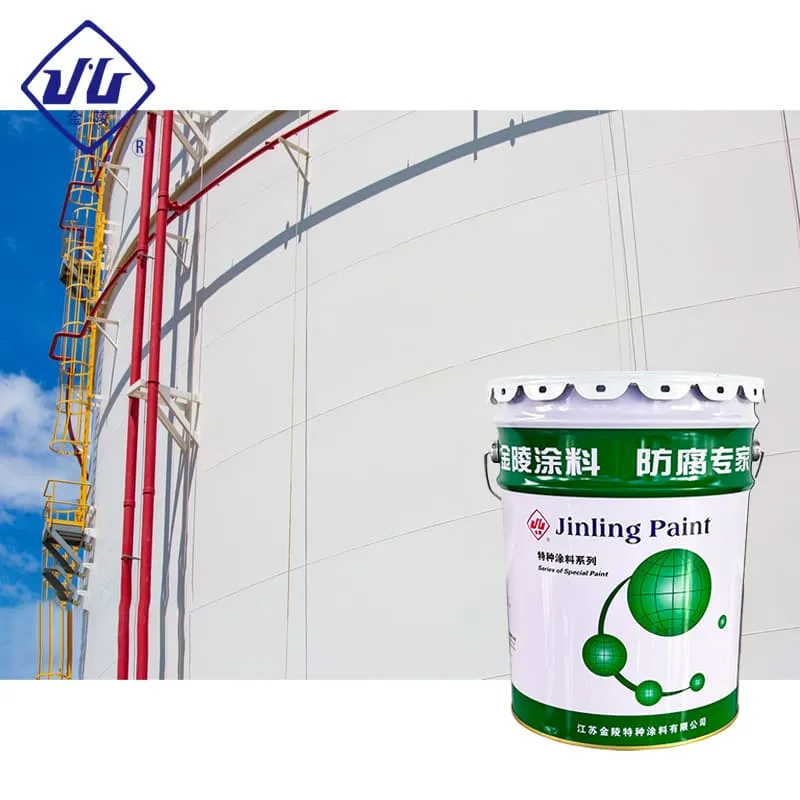
What is anti corrosion coating maintenance? It is the planned inspection, cleaning, repair, and reapplication of protective layers that keep metal from oxidizing. In practical terms, it includes checking film condition, removing contaminants, correcting damaged areas, and confirming the coating still meets the service environment. When maintenance is performed on time, the coating can continue acting as a barrier against moisture, oxygen, salts, and industrial chemicals.
For asset owners, anti corrosion coating maintenance is not only a technical task but also a cost-control task. A small defect can turn into underfilm rust, and underfilm rust can spread beyond the visible damage area if it is ignored. In marine, automotive, and industrial settings, this means maintenance decisions directly affect downtime, repair volume, and replacement cycles.
The most reliable programs treat coating upkeep as a measurable process. They define inspection intervals, establish acceptance criteria, and record repair history, rather than waiting for visible rust to become widespread. That approach supports both protective coating maintenance planning and rust prevention maintenance across multiple asset types.
Anti corrosion coating maintenance tips matter because coatings fail in stages, not all at once. First, contamination weakens adhesion, then microcracks or pinholes allow moisture ingress, and finally corrosion spreads beneath the film. Once rust reaches the interface, repair cost usually rises because the damaged zone must be enlarged to remove compromised material.
A maintenance program also improves predictability. If inspections occur every 3 to 6 months in aggressive service, asset teams can catch damage before it expands into full recoating. For critical structures, this can reduce emergency work orders and avoid unplanned shutdowns. The result is a lower ratio of reactive repair to planned maintenance, which is the main economic argument for routine upkeep.
This is where industrial coating upkeep differs from simple cosmetic repainting. A coating is not just a color layer; it is part of the asset protection coatings system. If cleaning, preparation, or application conditions are ignored, the replacement coating may fail early even if the product itself meets specification.
A useful anti corrosion coating checklist starts with inspection, then moves to cleaning, repair, and verification. The sequence matters because applying material over contamination or active corrosion traps defects inside the new film. A disciplined process reduces coating failure prevention risk and improves the chance that each repair will last until the next planned service interval.
Begin by looking for blistering, chalking, edge lift, pinholes, discoloration, rust spots, and abrasion marks. Use visual inspection under strong light and document the affected area with photos and measurements. If the coating is on a steel structure, note whether corrosion is concentrated at welds, edges, fasteners, or drainage points because these are common failure zones.
A practical inspection standard is to classify damage into three groups: cosmetic wear, localized coating damage, and substrate corrosion. Cosmetic wear may only need cleaning and spot repair, while substrate corrosion usually requires removal of failed film and surface treatment. This step matters because it defines whether the job is a maintenance touch-up or a more extensive remedial project.
Common mistakes to avoid:
Skipping measurement: estimating damage by eye can understate the repair area.
Ignoring edges and joints: corrosion often begins where coating thickness is weakest.
Surface preparation for corrosion protection starts with removing oil, dust, salt, loose scale, and chemical residue. Use a cleaning method matched to the contamination level, not a generic wipe-down. For light contamination, detergent washing or solvent cleaning may be enough; for salt exposure or industrial buildup, a more detailed wash and rinse is needed.
Cleaning quality is important because coatings fail on dirty surfaces even when the product is correctly specified. If soluble salts remain, moisture can draw them into the film and accelerate underfilm corrosion. In marine use, salt contamination is especially important because chloride residue can remain after the surface appears dry.
The goal is a clean, dry, sound surface before any repair material is applied. If the coating system specifies a maximum soluble salt level, the maintenance team should verify it rather than assume visual cleanliness is sufficient. This reduces the chance of hidden contamination becoming a future failure point.
Common mistakes to avoid:
Using only dry wiping: it does not remove salts or embedded residue.
Repainting over grease: adhesion loss often appears later as blistering or peel-off.
If rust is already present, remove it before recoating. The cleaning and removal method should match the defect depth and surrounding substrate condition. A decision tree can help: light surface rust may be treated with sanding, moderate corrosion may require abrasive blasting, and complex geometry or sensitive substrates may justify laser removal in specialized cases.
For most field maintenance, sanding and blasting remain the main options. Sanding is suitable for small repair zones and edge feathering, while blasting is better for larger areas or heavy oxidation. Laser removal may be considered where precision matters, but it is usually selected for specific industrial conditions rather than routine field repairs.
Here is a simple maintenance decision table:
| Condition | Preferred Method | Typical Use Case | Risk if Ignored |
|---|---|---|---|
| Light rust film | Sanding | Small localized damage | Rust remains under new coating |
| Moderate corrosion | Abrasive blasting | Larger steel surfaces | Poor adhesion and early failure |
| Contaminated repair zone | Power cleaning + abrasive prep | Industrial assets | Trapped residue and blistering |
| Precision-sensitive area | Laser removal | Specialty applications | Over-removal or substrate damage |
This decision structure supports anti corrosion coating maintenance checklist planning because it links defect severity to the correct removal method. It also reduces unnecessary labor. Using a heavy process where a light one is sufficient raises cost, while using a light process where a heavy one is needed risks premature coating failure.
Once rust and failed coating are removed, check the surface profile and edge condition. A maintenance coating should not be applied to sharp edges, loose feathering, or uneven transitions because these areas lose film thickness quickly. Edges should be smoothed, and transition zones should be prepared so the coating can build to the intended dry film thickness.
Surface profile matters because many protective coatings need a defined roughness to anchor properly. If the profile is too smooth, adhesion can suffer; if it is too aggressive, the coating may not cover evenly. The correct balance depends on the coating system and the service environment, so maintenance technicians should follow the product data sheet and project specification.
This stage is one of the most common causes of avoidable rework. A coating can be mixed correctly and applied on time, yet still fail early if the substrate profile is wrong. That is why surface preparation and cleaning before coating are not separate tasks; they are linked steps in the same control process.
Application technique and environmental conditions have a direct effect on service life. Temperature, humidity, dew point, and wind all influence whether the coating cures properly and adheres as intended. If the substrate is close to the dew point, condensation can form during application and reduce bond strength.
A practical application rule is to verify that the substrate is dry, clean, and within the product’s acceptable temperature range before mixing or spraying. If the environment is too humid, curing can slow down and surface defects may increase. If the environment is too cold, viscosity and film formation can be affected, which raises the chance of thin spots and poor edge coverage.
For Industrial Anti Corrosion Coating systems, application records should include batch number, ambient temperature, substrate temperature, humidity, wet film thickness, and dry film thickness checks. These records support quality compliance and future troubleshooting. They also help buyers compare field performance across different maintenance contractors and coating teams.
After application, verify whether the coating meets the required film thickness range. Thickness testing is important because a film that is too thin exposes the substrate, while a film that is too thick can trap solvents or create curing defects. Both conditions may shorten service life and increase repair frequency.
Cure verification is equally important. A coating that feels dry to the touch may still be soft beneath the surface, especially in cooler or more humid conditions. If the system requires a recoat window or full cure before service exposure, those times should be measured rather than assumed.
A maintenance log should record these values. This creates a traceable repair history and improves industrial coating upkeep over time. Over multiple maintenance cycles, the log shows whether defects come from preparation, application, or environmental control.
Different sectors need different anti corrosion coating maintenance tips because the failure drivers are not the same. Marine assets face chloride exposure and wet-dry cycling. Automotive assets face road salt, stone impact, and frequent vibration. Industrial assets often face chemical splash, abrasion, and heat variation.
Marine maintenance should focus on salt removal, edge inspection, and frequent touch-ups in splash and tidal zones. Salt deposition is a recurring contamination source, so washing intervals should be shorter than in inland environments. If a coating is exposed to seawater spray, the inspection schedule should be tightened to catch blistering or underfilm corrosion before it spreads.
Maintenance teams should also pay close attention to fasteners, weld seams, and drain paths. These areas retain moisture longer than flat panels, which increases the chance of coating breakdown. In marine service, even small coating misses can become expensive because corrosion can spread faster under sustained chloride exposure.
Automotive maintenance usually centers on stone chips, seams, underside corrosion, and road salt exposure. The most effective routine is to inspect vulnerable impact zones after winter service or after repeated high-mileage use. If coating damage is limited to small spots, targeted repair can prevent larger rust zones from forming.
For fleet managers, the cost-benefit calculation is straightforward. Repeated small repairs are usually cheaper than body panel replacement or extended downtime. A coating maintenance plan should therefore be linked to mileage, seasonal salt exposure, and washing frequency.
Industrial sites need a plan based on abrasion, chemical exposure, and process heat. Equipment such as tanks, steel frames, pipelines, and structural supports should be checked for coating thinning around high-wear points. Inspection intervals can be linked to operating cycles, cleaning cycles, or shutdown windows.
A useful industrial coating upkeep practice is to tie maintenance to asset criticality. Critical lines may justify quarterly review, while secondary structures may be checked semiannually. This makes the program more efficient because not every coated surface needs the same inspection frequency.
A decision tree helps buyers choose the correct method instead of applying a one-size-fits-all approach. If the surface only has dust or loose debris, simple cleaning may be enough. If the surface has oil, salt, or industrial residue, washing and decontamination come first. If the surface has rust or failed film, sanding or blasting becomes necessary.
The right choice also depends on access and substrate sensitivity. Sanding works for small localized repairs and edge feathering, but it may be too slow for large areas. Blasting gives stronger preparation for extensive corrosion but requires more containment and safety control. Laser removal can be useful where precision matters, but it is usually a specialized option rather than a default maintenance method.
| Surface Condition | Best Method | Why It Fits |
|---|---|---|
| Dust and loose debris | Dry cleaning or vacuuming | Removes loose contaminants quickly |
| Oil and grease | Solvent or detergent cleaning | Breaks down bonded contaminants |
| Salt contamination | Wash and rinse | Reduces chloride residue |
| Local rust | Sanding | Targets small damage zones |
| Widespread corrosion | Blasting | Handles larger repair areas |
| Sensitive precision zone | Laser removal | Controls removal depth |
This decision framework supports anti corrosion coating maintenance tips for small business operators as well as large asset owners. Smaller teams often need to avoid over-spending on heavy removal methods, while larger operators need consistency across multiple sites. The right method balances defect severity, labor time, and recoat reliability.
Delayed maintenance usually increases both direct and indirect cost. Direct costs include larger repair areas, more surface prep labor, and more coating material. Indirect costs include equipment downtime, service interruptions, and potential safety issues if corrosion weakens structural components.
A simple example shows the cost-benefit effect. A 10 cm coating defect repaired early might require only a localized cleaning and spot coat, while the same defect left for months can expand into an area requiring blasting, edge preparation, and a larger recoat zone. The second scenario uses more labor hours, more consumables, and more inspection time.
From a total cost of ownership view, the cheapest option is not always the lowest upfront price. If poor maintenance shortens coating life from 5 years to 3 years, the owner may pay for an extra inspection cycle, extra labor, and earlier recoating. That is why anti corrosion coating maintenance best practices focus on preventing small failures from becoming full-system failures.
A practical anti corrosion coating checklist should be short enough to use in the field and specific enough to guide action. It should include surface condition, contamination status, rust level, defect size, cleaning method, removal method, environmental conditions, film thickness, and cure verification. Without those fields, the checklist is too vague to support repeatable maintenance.
A useful checklist can be organized like this:
Confirm asset ID and previous coating history.
Inspect for blistering, rust spots, cracks, and impact damage.
Measure area size and note defect location.
Clean the surface according to contamination type.
Remove rust or failed coating with the correct method.
Record ambient temperature, substrate temperature, and humidity.
Apply coating within the specified environmental window.
Verify wet film thickness, dry film thickness, and cure status.
Log the repair date and next inspection date.
This format supports anti corrosion coating maintenance checklist use in marine, automotive, and industrial environments. It also makes training easier because technicians follow the same process every time. Over multiple projects, the checklist creates data that can be used to compare repair quality and failure frequency.
The economic argument for maintenance is strongest when the owner tracks repeat failure. If a coating patch fails within 12 months because the surface was not prepared correctly, the owner pays for the original repair plus the repeat repair. If the defect is detected early and fixed correctly, the same area may remain serviceable until the next scheduled maintenance interval.
The cost-benefit difference becomes even clearer on large assets. For example, a small increase in preparation time may reduce the chance of premature failure, which in turn reduces shutdown risk and labor duplication. Even if the initial maintenance step takes longer, the total cost of ownership can still be lower over the asset life cycle.
This is why buyers should treat protective coating maintenance as a control system rather than a cosmetic service. The value comes from fewer reworks, longer service intervals, and more consistent protection of the substrate. In the long run, that reduces maintenance volatility and improves planning accuracy.
Is anti corrosion coating maintenance worth it? In most cases, yes, because the cost of preventive work is usually lower than the cost of corrosion damage. The value is especially strong when the asset is expensive, difficult to replace, or exposed to salt, chemicals, or repeated abrasion. It is also worth it when the coating protects structures that cannot afford long downtime.
The answer becomes even more favorable when inspection is systematic. A well-run program catches defects while they are still localized, which reduces the size and complexity of each repair. If the coating is allowed to fail widely, the repair usually becomes slower, more disruptive, and more expensive.
For procurement teams, the key metric is not only coating price but also maintenance frequency, labor hours, and failure recurrence. A cheaper coating system that needs repeated repair can cost more across one operating cycle than a better-planned protective system. That is why maintenance decisions should be made using both technical and financial data.
A field team maintaining a steel support frame can use a simple workflow. First, inspect the frame for rust spots, chipped coating, and water-trap areas. Second, clean the surface and remove contaminant residue. Third, use sanding for small rust zones or blasting for larger failures, then recoat under acceptable temperature and humidity conditions.
This workflow is repeatable and easy to audit. It also keeps maintenance tasks aligned with anti corrosion coating guide principles instead of ad hoc repairs. If the team records each step, future inspections can identify whether failures come from preparation, application, or exposure conditions.
That kind of recordkeeping matters for industrial buyers. It supports quality compliance, helps verify contractor performance, and makes it easier to plan future shutdowns. Over time, the maintenance data becomes part of the asset management record.
Following the right anti corrosion coating maintenance tips helps prevent premature failure, lowers repair costs, and keeps equipment, structures, and metal assets protected longer. The most important actions are simple: inspect for rust early, clean the surface thoroughly before recoating, and control application conditions so the coating cures as designed. If the surface is contaminated or the preparation step is weak, even a correctly specified coating can fail early.
The best next step is to turn these practices into a written anti corrosion coating checklist for your site. Add inspection intervals, cleaning rules, rust-removal methods, and environmental limits to that checklist, then apply it consistently across marine, automotive, or industrial assets. If you manage Industrial Anti Corrosion Coating systems from Jinling, this approach helps reduce coating failure, improve maintenance planning, and support better total cost of ownership over the asset life cycle.
A: Buyers should evaluate the service environment, substrate condition, contamination level, corrosion severity, and the required inspection and repair frequency. For procurement, it is also important to confirm whether the coating system can be maintained with practical field methods such as cleaning, sanding, or abrasive blasting, and whether the supplier provides clear application and repair guidance for the selected product.
A: For maintenance touch-up, buyers should look for industrial anti-corrosion coatings that are compatible with localized surface preparation, edge repair, and recoating after cleaning or rust removal. The best choice depends on the existing coating system, exposure conditions, and required durability, so procurement should focus on compatibility, recoat windows, and film thickness requirements rather than price alone.
A: The right method depends on the defect level and contamination type. Light dust may only need dry cleaning, oil or grease requires solvent or detergent cleaning, salt contamination needs washing and rinsing, local rust is usually handled by sanding, and widespread corrosion may require abrasive blasting. Choosing the correct preparation method helps avoid early coating failure and rework.
A: Application should be carried out only when the substrate is dry, clean, and within the product’s acceptable temperature range. Buyers and contractors should also control humidity, dew point, and wind, because moisture near the dew point can cause condensation and reduce adhesion, while high humidity or low temperature can affect curing and film formation.
A: Jinling’s article positions its industrial anti-corrosion coating systems for marine, automotive, and industrial maintenance scenarios. For procurement, the key question is whether the selected coating matches the project’s exposure conditions, maintenance cycle, and repair workflow, so buyers should request product specification details, application limits, and maintenance guidance for their specific use case.
Copyright:@2020-2021

Comments Please sign in or sign up to post.
0
0 of 500 characters used