
Industrial operations rely on dependable power to keep heavy-duty equipment running efficiently. Whether used in forklifts, automated guided vehicles (AGVs), construction machinery, renewable energy storage, or backup power systems, choosing the right Industrial Rechargeable Batteries is critical for maximizing productivity and minimizing downtime.
Three of the most important considerations when selecting industrial batteries are cycle life, discharge rate, and safety features. Understanding these factors helps businesses invest in batteries that deliver long-term value, consistent performance, and reliable operation. Wiren provides advanced industrial battery solutions engineered to meet the demanding requirements of modern industries.
Industrial batteries are more than just power sources—they directly influence equipment uptime, maintenance costs, and operational efficiency.
High-quality Industrial Rechargeable Batteries offer:
· Longer operating hours
· Reduced maintenance
· Lower total ownership costs
· Increased workplace safety
· Higher equipment reliability
· Better energy efficiency
Selecting batteries based solely on initial purchase price often results in higher long-term expenses.
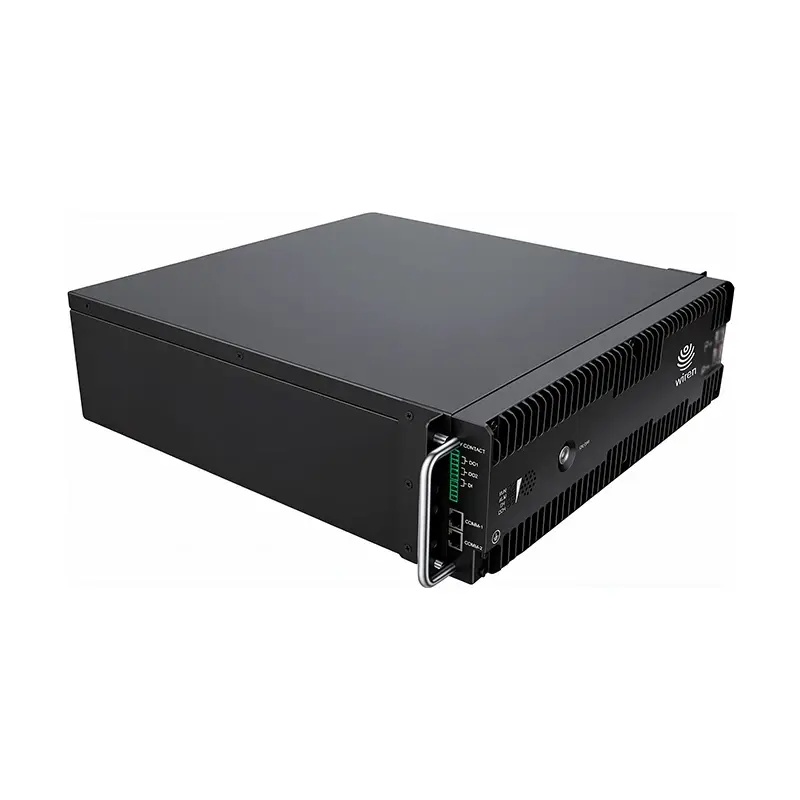
Cycle life refers to the number of complete charge and discharge cycles a battery can perform before its capacity drops below a specified level, typically 80% of its original capacity.
For industrial applications, longer cycle life means:
· Fewer battery replacements
· Lower maintenance expenses
· Reduced equipment downtime
· Better return on investment
A battery with a long service life is especially valuable for businesses operating multiple shifts or around-the-clock production.
Several conditions influence how long Industrial Rechargeable Batteries last.
Frequently discharging a battery to very low levels can shorten its lifespan. Moderate discharge levels generally extend cycle life.
Using compatible chargers and avoiding overcharging or excessive fast charging helps preserve battery health.
Extreme heat accelerates battery aging, while extremely low temperatures can temporarily reduce capacity.
Proper thermal management significantly improves long-term battery performance.
Different battery technologies offer varying lifespans.
Lithium-ion batteries are widely recognized for their excellent cycle life.
Benefits include:
· Thousands of charging cycles
· Minimal maintenance
· High charging efficiency
· Stable voltage output
· Opportunity charging capability
These advantages make lithium batteries ideal for demanding industrial environments.
Lead-acid batteries remain popular because of their affordability but generally provide fewer charging cycles and require regular maintenance.
Businesses must weigh lower initial costs against higher maintenance and replacement expenses.
Discharge rate describes how quickly a battery delivers stored energy to equipment.
Heavy-duty industrial machinery often demands high discharge currents during:
· Heavy lifting
· Rapid acceleration
· Continuous production
· High-load operations
Choosing Industrial Rechargeable Batteries with an appropriate discharge rate ensures stable performance under demanding conditions.
Continuous discharge refers to the steady current supplied during normal equipment operation.
Applications include:
· Warehouse vehicles
· Conveyor systems
· Industrial robots
· Material handling equipment
Peak discharge provides additional power during short periods of increased demand, such as:
· Forklift lifting operations
· Construction equipment startup
· Electric cranes
· High-torque industrial motors
Selecting batteries capable of handling both continuous and peak loads improves equipment reliability.
Insufficient discharge capability may lead to:
· Voltage drops
· Reduced equipment performance
· Motor overheating
· Unexpected shutdowns
· Lower productivity
Industrial batteries should always match the power requirements of the equipment they support.
Safety is one of the most important considerations when selecting industrial battery systems.
Modern Industrial Rechargeable Batteries often include an intelligent Battery Management System (BMS).
The BMS continuously monitors:
· Cell voltage
· Current
· Temperature
· Charging status
· Cell balancing
This intelligent monitoring protects batteries from damage while extending service life.
Overcharging generates excessive heat and may shorten battery lifespan.
Advanced charging systems automatically stop charging when batteries reach full capacity.
Industrial environments expose batteries to vibration, dust, and accidental impacts.
Built-in protection systems help prevent:
· Short circuits
· Electrical damage
· Equipment failure
· Fire hazards
Battery temperature significantly affects both performance and safety.
Quality battery systems incorporate thermal protection that helps maintain stable operating temperatures during charging and discharging.
Industrial equipment often operates in harsh environments.
Important factors include:
Choose batteries designed for:
· Cold storage warehouses
· Outdoor construction sites
· Mining operations
· Manufacturing facilities
Temperature-resistant batteries maintain consistent performance under challenging conditions.
Durable battery enclosures protect internal components from:
· Dust
· Dirt
· Water exposure
· Industrial chemicals
Proper enclosure design extends battery lifespan and enhances workplace safety.
Rather than focusing only on purchase price, businesses should evaluate the overall value of Industrial Rechargeable Batteries.
Consider:
· Expected cycle life
· Energy efficiency
· Charging speed
· Maintenance requirements
· Downtime reduction
· Replacement frequency
Premium batteries often provide greater long-term savings through improved reliability and reduced operational interruptions.
Different industrial applications have unique power requirements.
Forklifts, pallet trucks, and AGVs require batteries with:
· High cycle life
· Fast charging
· Strong peak discharge performance
Construction machinery benefits from batteries offering:
· Rugged construction
· High vibration resistance
· Reliable operation in outdoor environments
Automated production systems require batteries that provide:
· Stable voltage output
· Long operating hours
· Consistent charging performance
Selecting batteries specifically designed for each application ensures optimal performance.
Wiren delivers advanced battery solutions for industrial customers worldwide.
Key advantages include:
Wiren batteries are engineered to provide long-lasting performance, reducing replacement costs and maximizing productivity.
Designed for demanding industrial equipment, Wiren batteries deliver stable power during both continuous and peak loads.
Integrated Battery Management Systems provide comprehensive protection against overcharging, overheating, short circuits, and excessive discharge.
Modern battery technologies minimize maintenance requirements while improving operational efficiency.
Wiren offers tailored battery configurations to meet the specific needs of various industries and heavy-duty equipment.
Selecting the right Industrial Rechargeable Batteries requires careful evaluation of cycle life, discharge rate, and safety features. Batteries with long service life, reliable power delivery, and advanced protection systems help businesses reduce maintenance costs, improve operational efficiency, and enhance workplace safety.
By combining innovative battery technology, intelligent safety systems, and dependable performance, Wiren provides industrial rechargeable batteries that support demanding applications across manufacturing, logistics, construction, energy storage, and material handling industries. Investing in high-quality battery solutions today ensures reliable power, lower lifetime costs, and greater productivity for years to come.
Previous: How to Choose Starlink Mini Power Cable Lengths to Reduce Voltage Drop in Field Installs
Next: Why More Homeowners Are Choosing WiFi Smart Thermostats with Remote Sensors
Copyright:@2020-2021

Comments Please sign in or sign up to post.
0
0 of 500 characters used