
Proper maintenance is one of the most effective ways to maximize the performance and lifespan of Truck Tires. Among all maintenance practices, monthly tire inflation checks are often the simplest yet most impactful. Correct air pressure directly influences safety, fuel efficiency, tread wear, and overall operating costs for commercial fleets.
For fleet managers and drivers, building a consistent inflation inspection routine can significantly reduce downtime and extend tire service life. As a trusted commercial tire manufacturer, LONGMARCH emphasizes preventive maintenance practices that help fleets achieve better long-term value from every tire.
Tire inflation is not just a technical detail—it is a core performance factor. Air pressure determines how the tire carries load, interacts with the road, and distributes stress across the tread.
Proper inflation ensures:
· Even tread wear
· Optimal load distribution
· Stable vehicle handling
· Lower rolling resistance
· Improved fuel efficiency
Incorrect inflation, even by a small margin, can significantly reduce tire performance.
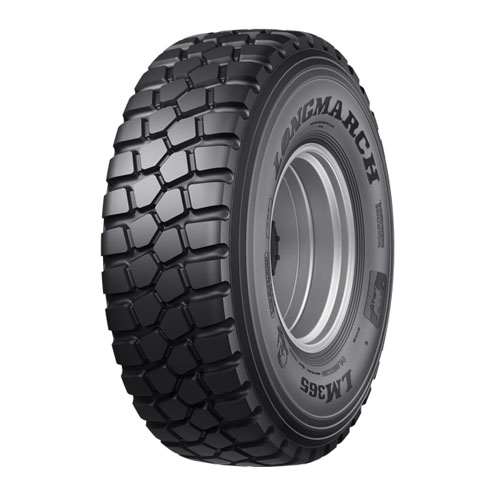
Underinflated tires flex more during rotation, generating excessive heat. Over time, this heat can damage internal structures and reduce tire durability.
Low pressure causes excessive shoulder wear, reducing tread life and increasing replacement frequency.
Increased rolling resistance from underinflation forces the engine to work harder, leading to higher fuel usage.
Severely underinflated tires may suffer from:
· Blowouts
· Sidewall damage
· Reduced braking performance
These risks can be costly and dangerous in commercial transport operations.
Overinflated tires have a smaller contact patch, which reduces traction and braking efficiency.
Excess pressure causes the center of the tread to wear faster than the edges, shortening tire life.
Overinflation reduces shock absorption, increasing stress on suspension components and affecting driver comfort.
Truck tires naturally lose air due to:
· Temperature fluctuations
· Valve leakage
· Small punctures
· Permeation through rubber
Even high-quality tires require regular monitoring.
Commercial trucks frequently carry different loads and operate in varying weather conditions. These changes affect internal tire pressure and performance.
Monthly checks help detect:
· Slow leaks
· Valve damage
· Structural issues
· Improper inflation habits
Early detection reduces repair costs and improves safety.
Tire pressure should be measured when tires are cold, ideally before driving or after the vehicle has been parked for several hours.
Heat from driving increases pressure and can lead to inaccurate readings.
Fleet operators should use:
· Calibrated pressure gauges
· Automatic inflation systems
· Tire pressure monitoring systems (TPMS)
Accurate tools ensure reliable data.
Each truck tire has a recommended inflation range based on:
· Load capacity
· Tire size
· Axle position
· Operating conditions
Following these guidelines ensures optimal performance.
LONGMARCH provides detailed inflation specifications for all commercial truck tires to help fleets maintain correct pressure levels.
Correct pressure ensures that weight is evenly distributed across the tread surface, reducing localized wear.
Properly inflated tires reduce energy loss during rotation, improving fuel efficiency and reducing heat buildup.
Maintaining correct inflation helps preserve casing integrity, which is essential for successful retreading.
This increases:
· Tire lifecycle value
· Cost efficiency
· Sustainability of fleet operations
Fleet operators can improve consistency by following a structured checklist:
· Inspect all steer, drive, and trailer tires
· Measure pressure when tires are cold
· Compare readings with manufacturer specifications
· Check for visible damage or leaks
· Inspect valve stems and caps
· Record pressure data for maintenance tracking
· Adjust pressure immediately if needed
Air pressure changes approximately with temperature. For every 10°C change, tire pressure can fluctuate noticeably.
· Cold weather → lower pressure
· Hot weather → higher pressure
Monthly checks become even more important during seasonal transitions.
Long-haul trucks experience continuous heat buildup. Regular monitoring ensures stability during extended driving periods.
LONGMARCH designs truck tires with durability and performance stability in mind. To support fleet maintenance programs, LONGMARCH focuses on:
· Strong casing construction for pressure retention
· Heat-resistant rubber compounds
· Consistent structural integrity under load
· Clear inflation guidelines for operators
These features help fleets maintain optimal tire performance with minimal downtime.
Monthly inflation checks are one of the most effective ways to extend the service life of Truck Tires. Proper air pressure improves safety, reduces fuel consumption, enhances tread wear patterns, and increases retreadability. Both underinflation and overinflation can significantly shorten tire lifespan and increase operational costs.
By implementing a consistent monthly inspection routine and following manufacturer guidelines, fleet operators can maximize tire performance and reduce total cost of ownership. With reliable and durable solutions from LONGMARCH, commercial fleets can achieve more stable, efficient, and cost-effective tire management over the long term.
Previous: Rotation and Position Management Tips for Commercial Truck Tires
Next: Rib vs Lug Tread Patterns for Highway, Regional, and Mixed-Service Trucks
Copyright:@2020-2021

Comments Please sign in or sign up to post.
0
0 of 500 characters used