
Selecting the right Truck Tires is essential for maximizing fleet efficiency, safety, and operating costs. One of the most important factors to consider is the tread pattern. Among commercial truck tires, rib tread and lug tread designs are the two most common options, each offering distinct advantages depending on the vehicle's application.
Whether your fleet operates primarily on highways, regional routes, or mixed-service environments, understanding the differences between rib and lug tread patterns can help you choose the most suitable tire for your operation. As a leading commercial tire manufacturer, LONGMARCH provides a comprehensive range of truck tires engineered to meet the demands of various transportation sectors.
The tread pattern of a truck tire directly affects its performance, including traction, fuel efficiency, wear resistance, and handling.
Different applications require different tread characteristics. A tire that performs exceptionally well on highways may not deliver the same results on construction sites or regional roads.
The two most widely used tread designs are:
· Rib tread patterns
· Lug tread patterns
Each serves a specific purpose within commercial transportation.
Rib tread tires feature continuous circumferential grooves running around the tire.
These grooves create multiple ribs that maintain consistent contact with the road surface.
Rib tread truck tires are designed to provide:
· Excellent directional stability
· Low rolling resistance
· Improved fuel economy
· Smooth ride quality
· Even tread wear
· Enhanced steering response
Because of these benefits, rib tires are commonly installed on steer axles and highway vehicles.
The streamlined tread design minimizes rolling resistance, helping reduce fuel consumption over long distances.
Continuous ribs improve straight-line tracking and steering precision, making them ideal for long-haul transportation.
Even pressure distribution across the tire surface helps reduce irregular wear and extend service life.
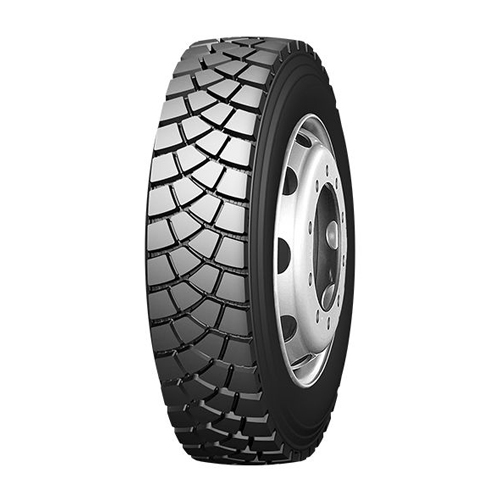
Lug tread tires feature large tread blocks separated by wide grooves that create an aggressive traction pattern.
These designs allow the tire to grip loose, uneven, or slippery surfaces more effectively.
Lug tread truck tires offer:
· Strong traction
· Excellent braking performance
· Improved grip on wet roads
· Enhanced off-road capability
· Better self-cleaning properties
They are commonly used on drive axles and vocational vehicles.
The deep tread blocks provide superior grip during acceleration and braking.
Lug tread tires perform well on:
· Gravel roads
· Construction sites
· Muddy terrain
· Snow-covered roads
· Regional transportation routes
Aggressive tread designs help resist damage from rough operating environments.
Long-haul trucks spend most of their operating time on smooth paved roads at consistent speeds.
In these conditions, rib tread tires offer several benefits:
· Lower fuel consumption
· Reduced road noise
· Enhanced driver comfort
· Improved tread wear
For fleets focused on fuel efficiency and mileage, rib tread tires are often the preferred solution.
Rib tread designs are commonly used on:
· Steer axles
· Trailer axles
· All-position highway applications
LONGMARCH highway truck tires utilize advanced rib tread technology to maximize fuel savings and tire longevity.
Regional transportation involves a mix of highways, secondary roads, urban traffic, and frequent stopping.
Drivers may encounter:
· Wet pavement
· Uneven road surfaces
· Loading yards
· Industrial facilities
These conditions require greater traction than traditional highway operations.
Lug tread truck tires are typically installed on:
· Drive axles
· Regional delivery vehicles
· Vocational trucks
Their aggressive tread design improves grip and braking performance in changing road conditions.
Mixed-service trucks operate in environments that combine paved roads with off-road conditions.
Examples include:
· Construction fleets
· Mining support vehicles
· Utility trucks
· Agricultural transportation
· Municipal service vehicles
These vehicles require a balance between traction and durability.
Many mixed-service fleets use different tread patterns on different axle positions.
A common configuration includes:
Benefits include:
· Better steering precision
· Improved stability
· Reduced rolling resistance
Benefits include:
· Stronger traction
· Better climbing ability
· Improved performance on loose surfaces
This combination provides an effective balance of handling, fuel efficiency, and durability.
The road conditions your trucks encounter daily should guide tire selection.
Questions to consider include:
· Are routes primarily highway-based?
· Do vehicles enter construction zones?
· Is off-road travel frequent?
· Are weather conditions challenging?
If minimizing fuel costs is a top priority, rib tread tires generally offer better performance due to lower rolling resistance.
For applications involving steep grades, heavy loads, or slippery surfaces, lug tread designs provide greater grip.
Proper tread selection can reduce:
· Irregular wear
· Tire replacement frequency
· Downtime
· Fuel expenses
Choosing the correct tread pattern helps lower total operating costs over the tire's lifespan.
LONGMARCH manufactures a wide range of truck tire solutions for highway, regional, and mixed-service applications.
Key benefits include:
· Advanced tread compounds
· Durable casing construction
· Excellent retreadability
· High load-carrying capacity
· Reliable performance across various operating conditions
Whether fleets require fuel-efficient rib tires or traction-focused lug tires, LONGMARCH offers products designed to deliver long-term value.
When selecting Truck Tires, understanding the differences between rib and lug tread patterns is essential. Rib tread tires excel in highway applications where fuel efficiency, smooth handling, and long tread life are priorities. Lug tread tires provide superior traction and durability for regional and mixed-service operations that encounter varied road conditions.
By matching the tread pattern to the vehicle's operating environment, fleet managers can improve safety, reduce operating costs, and maximize tire performance. With a comprehensive range of commercial tire solutions, LONGMARCH helps transportation businesses find the ideal tire for every axle position and application.
Copyright:@2020-2021

Comments Please sign in or sign up to post.
0
0 of 500 characters used