
In polymer manufacturing, achieving long-term product stability requires more than selecting a single antioxidant. Heat, oxygen, mechanical stress, and processing conditions can all accelerate material degradation, affecting performance, appearance, and lifespan. This is why manufacturers increasingly rely on antioxidant systems that combine primary and secondary antioxidants to deliver superior protection.
For formulators seeking reliable solutions, partnering with an experienced Antioxidant Supplier such as Onelead can help optimize additive packages for specific applications and processing requirements.
Polymer oxidation is a chain reaction triggered by exposure to heat, oxygen, ultraviolet light, and mechanical stress during processing or end-use conditions.
The oxidation process typically occurs in three stages:
Heat or mechanical stress breaks chemical bonds within the polymer, generating free radicals.
These free radicals react with oxygen to form peroxy radicals and hydroperoxides, creating additional radicals and accelerating degradation.
Antioxidants interrupt the oxidation cycle by neutralizing radicals or decomposing hydroperoxides before they can generate new radicals.
Without adequate antioxidant protection, polymers may experience:
· Discoloration and yellowing
· Loss of tensile strength
· Reduced impact resistance
· Surface cracking
· Melt flow instability
· Shortened service life
A carefully designed antioxidant system is essential to maintain product quality throughout processing and end use.
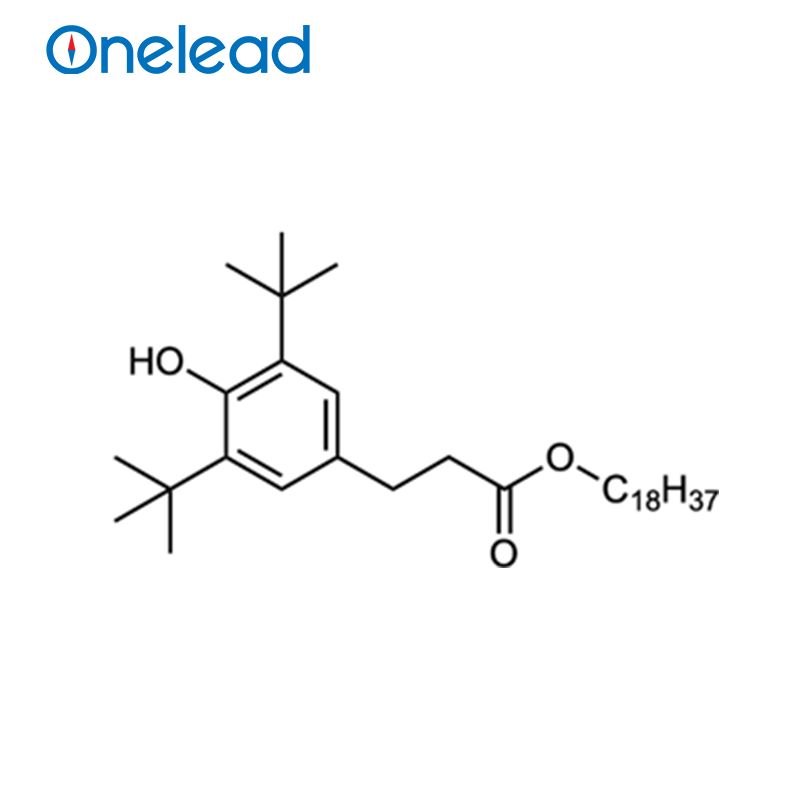
Primary antioxidants, also known as chain-breaking antioxidants, directly neutralize free radicals formed during oxidation.
These antioxidants donate hydrogen atoms to free radicals, effectively stopping the oxidation chain reaction.
Primary antioxidants typically include:
· Hindered phenolic antioxidants
· Aromatic amines
Among these, hindered phenols are widely used due to their excellent thermal stability, low volatility, and broad compatibility with polymers.
Primary antioxidants offer several advantages:
· Long-term thermal stabilization
· Improved color retention
· Enhanced durability
· Protection during product service life
· Effective performance at relatively low concentrations
However, primary antioxidants alone may not adequately address hydroperoxide buildup during high-temperature processing.
Secondary antioxidants work differently from primary antioxidants. Instead of scavenging free radicals, they decompose hydroperoxides into stable, non-radical compounds.
By eliminating hydroperoxides, secondary antioxidants prevent the formation of new free radicals and slow the oxidation process.
The most widely used secondary antioxidants include:
· Phosphites
· Phosphonites
· Thioesters
These additives are especially valuable during polymer processing, where high temperatures accelerate hydroperoxide formation.
Secondary antioxidants provide:
· Improved processing stability
· Reduced melt degradation
· Better color protection during extrusion and molding
· Lower viscosity changes
· Enhanced processing efficiency
Although highly effective during manufacturing, secondary antioxidants often require support from primary antioxidants for long-term protection.
The true performance advantage emerges when primary and secondary antioxidants are used together.
This synergistic effect occurs because each antioxidant targets a different stage of the oxidation cycle.
Primary antioxidants neutralize free radicals, while secondary antioxidants decompose hydroperoxides before they generate additional radicals.
This complementary action delivers a stronger defense against oxidation than either antioxidant type can provide alone.
The result is:
· Improved thermal stability
· Extended product lifespan
· Enhanced processing performance
· Better retention of mechanical properties
· Reduced additive consumption
· Lower overall formulation costs
By combining both antioxidant types, manufacturers can achieve greater efficiency without significantly increasing additive loading.
Many industries rely on synergistic antioxidant systems to maintain product quality.
Polypropylene and polyethylene require balanced antioxidant packages to withstand extrusion, injection molding, and long-term outdoor exposure.
Materials such as polyamide, polycarbonate, and PBT benefit from enhanced thermal and oxidative stability.
Rubber compounds used in automotive and industrial applications require robust antioxidant systems to resist heat aging.
Antioxidant combinations help preserve appearance, flexibility, and performance over time.
Long-term thermal protection is essential to maintain electrical insulation properties and extend service life.
Selecting the optimal antioxidant combination requires expertise in polymer chemistry, processing conditions, regulatory requirements, and end-use performance expectations.
A trusted Antioxidant Supplier can provide:
· Customized formulation support
· Technical application guidance
· Consistent product quality
· Global regulatory compliance assistance
· Reliable supply chain management
As an experienced industry partner, Onelead offers a comprehensive portfolio of primary and secondary antioxidants designed to maximize synergistic performance across diverse polymer applications.
Working with a knowledgeable supplier enables manufacturers to optimize formulations, reduce production challenges, and enhance product value.
Primary and secondary antioxidants perform different but complementary functions in polymer stabilization. Primary antioxidants interrupt free radical chain reactions, while secondary antioxidants decompose hydroperoxides before further degradation can occur.
When combined strategically, these additives create a powerful synergistic effect that improves processing stability, extends product lifespan, and enhances overall material performance.
For manufacturers seeking efficient, cost-effective stabilization solutions, partnering with an experienced Antioxidant Supplier like Onelead can make all the difference in achieving consistent, high-quality results.
Previous: Common Mistakes When Selecting Antioxidants for Plastic Applications
Next: Why Zero Formaldehyde Adhesives Are Trending in Panel Manufacturing
Copyright:@2020-2021

Comments Please sign in or sign up to post.
0
0 of 500 characters used