
The panel manufacturing industry is undergoing a significant transformation as sustainability, health, and environmental compliance become top priorities. One of the most notable trends in recent years is the growing adoption of zero formaldehyde board lamination adhesive solutions.
Manufacturers of decorative panels, furniture boards, aluminum composite panels, insulation panels, and construction materials are increasingly moving away from traditional adhesive systems that contain formaldehyde. Instead, they are embracing advanced adhesive technologies that deliver strong bonding performance while supporting healthier indoor environments and greener production processes.
In this article, we explore why zero formaldehyde adhesives are becoming the preferred choice in panel manufacturing and how they are shaping the future of the industry.
Formaldehyde has historically been used in various adhesive and resin systems due to its strong bonding properties and relatively low cost. It is commonly found in products such as:
· Urea-formaldehyde resins
· Melamine-formaldehyde adhesives
· Phenol-formaldehyde systems
· Certain wood-based panel products
While these materials have served the industry for decades, concerns regarding formaldehyde emissions have increased worldwide.
Exposure to formaldehyde emissions may contribute to:
· Eye irritation
· Respiratory discomfort
· Skin sensitivity
· Reduced indoor air quality
As consumers become more aware of indoor environmental health, manufacturers are under pressure to provide safer alternatives.
Governments and certification organizations have introduced stricter standards regarding formaldehyde emissions in building materials and manufactured products.
Many markets now favor products that meet low-emission or zero-emission requirements.
A zero formaldehyde board lamination adhesive is formulated without intentionally added formaldehyde and is designed to produce little to no formaldehyde emissions during manufacturing or throughout the product's service life.
These adhesives typically utilize advanced chemistries such as:
· Polyurethane (PU)
· Modified silane (MS polymer)
· Reactive hot melt adhesives
· Water-based adhesive systems
· Advanced acrylic formulations
They provide excellent bonding performance while supporting environmental and health objectives.
Indoor air quality has become a major concern for architects, builders, and consumers.
Applications such as:
· Residential housing
· Schools
· Hospitals
· Office buildings
· Hotels
require materials that contribute to healthier indoor environments.
By using zero formaldehyde adhesives, manufacturers can help reduce indoor air pollution and meet customer expectations.
Many construction projects now pursue certifications that emphasize environmental performance and occupant well-being.
Examples include standards that evaluate:
· Indoor air quality
· VOC emissions
· Sustainable material selection
· Environmental impact
Using a zero formaldehyde board lamination adhesive can help manufacturers align their products with these certification requirements.
Global regulations regarding chemical emissions continue to evolve.
Manufacturers that proactively adopt zero formaldehyde technologies are better positioned to:
· Meet current regulations
· Adapt to future requirements
· Access international markets
· Reduce compliance risks
Today's consumers actively research product safety and environmental impact before making purchasing decisions.
As sustainability becomes a key purchasing factor, products manufactured with zero formaldehyde adhesives often enjoy stronger market appeal.
A common misconception is that environmentally friendly adhesives sacrifice performance. In reality, many modern adhesive technologies offer outstanding technical characteristics.
Advanced adhesive systems provide:
· High peel strength
· Strong shear resistance
· Durable structural bonds
These properties help ensure long-term product reliability.
Many zero formaldehyde adhesives offer excellent resistance to:
· Moisture
· UV exposure
· Temperature fluctuations
· Aging
This makes them suitable for demanding indoor and outdoor applications.
Modern formulations are designed to support efficient production processes through:
· Fast curing times
· Automated application compatibility
· Consistent performance
· Reduced material waste
These advantages can improve overall manufacturing productivity.
Reliable bonding performance contributes to:
· Reduced delamination
· Better dimensional stability
· Improved product lifespan
· Greater customer satisfaction
Furniture producers increasingly use formaldehyde-free adhesives to create healthier products for homes and commercial spaces.
Wall panels, ceiling systems, and decorative boards benefit from low-emission adhesive technologies that improve indoor air quality.
Composite panel manufacturers use advanced adhesives to achieve strong metal-to-core bonding while meeting environmental standards.
Building insulation systems often require durable adhesives that can withstand environmental stress while remaining environmentally friendly.
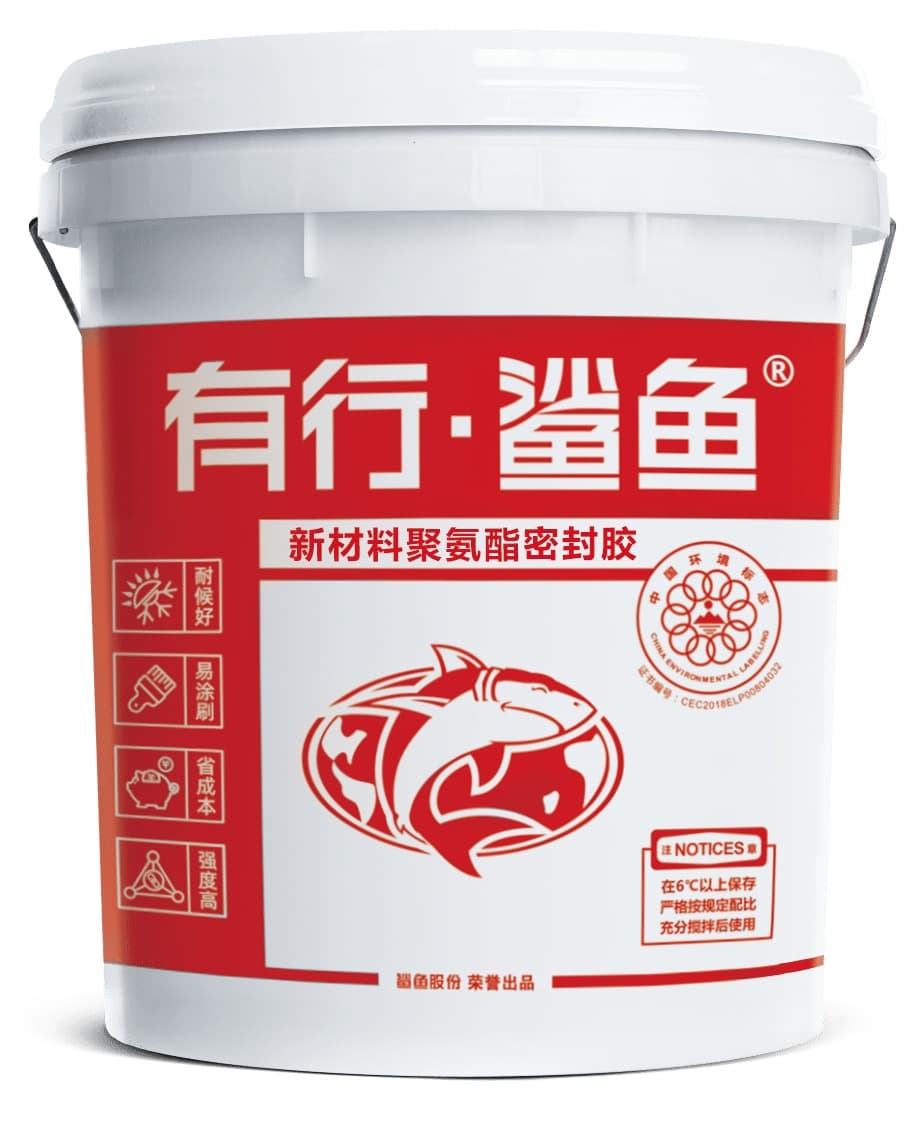
As the demand for sustainable manufacturing solutions continues to grow, YouXing Shark provides innovative adhesive technologies designed to meet modern industry requirements.
The company's zero formaldehyde adhesive solutions offer:
· Strong and reliable bonding performance
· Low VOC emissions
· Excellent weather resistance
· Compatibility with various panel materials
· Support for sustainable manufacturing initiatives
By combining environmental responsibility with high-performance bonding technology, YouXing Shark helps manufacturers remain competitive in an evolving marketplace.
The shift toward healthier and more sustainable materials is expected to accelerate over the coming years. Manufacturers that adopt zero formaldehyde board lamination adhesive technologies today are better positioned to meet future market demands, regulatory requirements, and consumer expectations.
As innovation continues, these adhesives will play an increasingly important role in improving product quality, supporting green building initiatives, and creating safer indoor environments.
The rising popularity of zero formaldehyde board lamination adhesive solutions reflects broader industry trends toward sustainability, health, and regulatory compliance. Manufacturers are discovering that modern formaldehyde-free adhesives not only reduce environmental impact but also deliver excellent bonding performance, durability, and production efficiency.
With advanced solutions from YouXing Shark, panel manufacturers can confidently transition to cleaner, safer, and more sustainable adhesive technologies while maintaining the high-quality standards their customers expect.
Previous: Do You Know the Chemical Properties of Methyl Acetate?
Next: Eco-Friendly Adhesive Solutions for Aluminum Board Lamination
Copyright:@2020-2021

Comments Please sign in or sign up to post.
0
0 of 500 characters used