
Antioxidants play a critical role in preserving the performance, appearance, and service life of plastic materials. During processing and throughout a product’s lifecycle, plastics are exposed to heat, oxygen, light, and mechanical stress, all of which can trigger oxidative degradation.
However, choosing the wrong antioxidant system can lead to processing issues, reduced product quality, higher costs, and premature material failure. Understanding the most common selection mistakes can help manufacturers optimize performance and improve production efficiency.
Working with an experienced Antioxidant Manufacturer like Onelead enables formulators to select the right stabilization solutions for their specific applications.
Most polymers are susceptible to oxidation during manufacturing and end-use exposure. High processing temperatures during extrusion, injection molding, and compounding accelerate the formation of free radicals and hydroperoxides, initiating degradation reactions.
Without adequate antioxidant protection, plastics may experience:
· Discoloration and yellowing
· Loss of mechanical strength
· Reduced impact resistance
· Surface cracking
· Changes in melt flow index
· Shortened product lifespan
A well-designed antioxidant package minimizes these risks and ensures consistent product quality.
One of the most common mistakes is prioritizing low-cost additives without considering long-term performance.
Although inexpensive antioxidants may reduce initial material costs, they often result in:
· Increased scrap rates
· Processing instability
· More frequent equipment downtime
· Shorter product life cycles
· Higher warranty claims
The total cost of ownership should include manufacturing efficiency, product durability, and customer satisfaction—not just the additive price.
A reputable Antioxidant Manufacturer can help identify cost-effective solutions that deliver optimal value over time.
Different plastic manufacturing processes place unique demands on antioxidant systems.
Processes such as extrusion and blow molding expose polymers to elevated temperatures for extended periods.
Injection molding and compounding generate mechanical stress that accelerates oxidation.
Recycled plastics and reprocessed materials require enhanced stabilization to withstand repeated heat exposure.
Selecting antioxidants without considering processing temperature, residence time, and shear forces can lead to inadequate protection.
Many manufacturers rely on a single antioxidant type, assuming it provides complete protection.
In reality, effective stabilization often requires a combination of primary and secondary antioxidants.
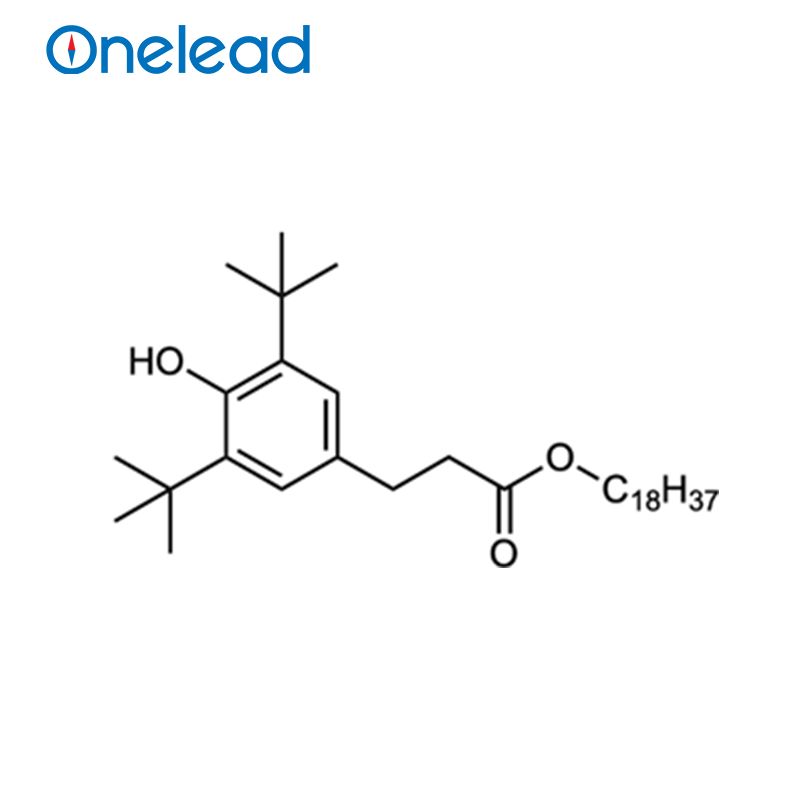
Primary antioxidants, such as hindered phenols, neutralize free radicals and provide long-term thermal stability.
Secondary antioxidants, including phosphites and thioesters, decompose hydroperoxides formed during processing.
When used together, these additives create a synergistic effect that improves both processing stability and long-term performance.
Not all antioxidants perform equally across different polymer types.
For example, antioxidant requirements vary significantly among:
· Polypropylene (PP)
· Polyethylene (PE)
· Polyvinyl chloride (PVC)
· Acrylonitrile butadiene styrene (ABS)
· Polyamide (PA)
· Engineering plastics
An antioxidant system that works well in one resin may cause compatibility issues, migration, blooming, or color changes in another.
Understanding polymer chemistry is essential for selecting suitable additives.
Plastic products often encounter challenging service environments after production.
Important factors include:
· Continuous heat exposure
· UV radiation
· Humidity
· Chemical contact
· Outdoor weathering
· Mechanical stress
For example, automotive components require different antioxidant packages than food packaging materials or electrical cable compounds.
Ignoring real-world conditions can significantly reduce product performance and lifespan.
Industries such as food packaging, medical devices, and consumer goods must comply with strict regulations.
Antioxidant selection should account for:
· Food contact approvals
· Regional chemical regulations
· Environmental requirements
· Migration limits
· Customer-specific standards
Failure to verify compliance can delay product launches and increase regulatory risks.
An experienced Antioxidant Manufacturer can provide documentation and technical support to simplify compliance management.
Laboratory testing is essential before finalizing any antioxidant formulation.
Relying solely on theoretical performance data may result in unexpected production issues.
Recommended evaluations include:
Assess color retention, melt flow stability, and thermal performance during manufacturing.
Simulate long-term environmental exposure to predict product lifespan.
Evaluate additive dispersion, migration resistance, and interactions with other formulation components.
Comprehensive testing helps identify the most effective antioxidant package for specific applications.
Choosing the right antioxidant system requires technical expertise and application knowledge.
As a trusted Antioxidant Manufacturer, Onelead offers:
· Comprehensive antioxidant portfolios
· Customized formulation recommendations
· Technical application support
· Regulatory compliance assistance
· Consistent product quality
· Reliable global supply capabilities
By collaborating with experienced specialists, manufacturers can improve processing efficiency, reduce costs, and enhance product performance.
Selecting antioxidants for plastic applications involves much more than choosing the lowest-cost option. Factors such as processing conditions, polymer compatibility, end-use environments, regulatory requirements, and antioxidant synergy all influence performance.
Avoiding common selection mistakes helps manufacturers achieve better product quality, longer service life, and more efficient production.
Partnering with an experienced Antioxidant Manufacturer like Onelead ensures access to the expertise and solutions needed to develop effective, high-performance stabilization systems for modern plastic applications.
Previous: A look at ongoing research in lithium fluorides, lithium sulfates, and other new chemistries
Next: Do You Know the Chemical Properties of Methyl Acetate?
Copyright:@2020-2021

Comments Please sign in or sign up to post.
0
0 of 500 characters used