
In today's fast-paced manufacturing landscape, traditional welding methods, such as MIG and TIG welding, often present challenges like heat distortion, strength loss, and limited material compatibility. These issues lead to costly defects and rework, consuming time and resources. Enter Robotic Friction Stir Welding (FSW) systems—mechanical marvels that utilize a solid-state welding technique to streamline the joining process while enhancing the structural integrity of materials. By avoiding the melting of parts, the FSW system offers a significant reduction in heat-related distortions, achieving a join that is approximately 33% stronger than conventional welding methods.
Many manufacturers face significant hurdles when adhering to strict production deadlines while maintaining high-quality standards. Take the automotive sector, for instance, which demands components that not only withstand high levels of stress but also comply with strict safety regulations. A study involving a leading automotive manufacturer revealed that their traditional welding processes led to a 25% increase in defective parts, wreaking havoc on production schedules and profitability. The urgent need for a solution led them to explore robotic FSW systems, ultimately transforming their processes and lowering their defect rates to less than 5%.
Before diving into the implementation of a robotic FSW system, several preparations are essential:
Materials: Ensure you have compatible materials, such as aluminum alloys or magnesium, which can be effectively joined using FSW.
Tools: A friction stir welding machine, robotic arm, and necessary fixtures must be assembled.
Training: Technicians should be trained on operating the robotic FSW system and understanding its specific parameters.
Your first step should involve assessing the materials you plan to weld. This can vary significantly by application, requiring specific friction stir welding tools that suit the material types.
Based on the assessed materials, select a suitable FSW system. World Wide Welding provides various systems that cater to distinct manufacturing needs. Remember to evaluate the required welding speeds—FSW can operate effectively at speeds ranging from 80 mm/min to 200 mm/min depending on the material thickness.
Carefully install the robotic arm, ensuring it aligns correctly with the workpiece. Calibration is critical; a misaligned arm can lead to substandard welds or even system errors.
Once your equipment is in place, input specific welding parameters such as tool rotation speed and travel speed. Proper settings are crucial for achieving optimal heat input and material flow, leading to successful welds.
Always conduct a test weld on scrap material. This provides a valuable opportunity to observe the performance of your setup and identify any adjustments necessary before commencing full-scale production.
Utilize non-destructive testing (NDT), such as ultrasonic testing, to evaluate weld integrity. This step is vital for maintaining quality assurance.
Begin your production runs, maintaining careful monitoring of the system’s performance. Data collection during this step can provide insights that help in refining and optimizing processes.
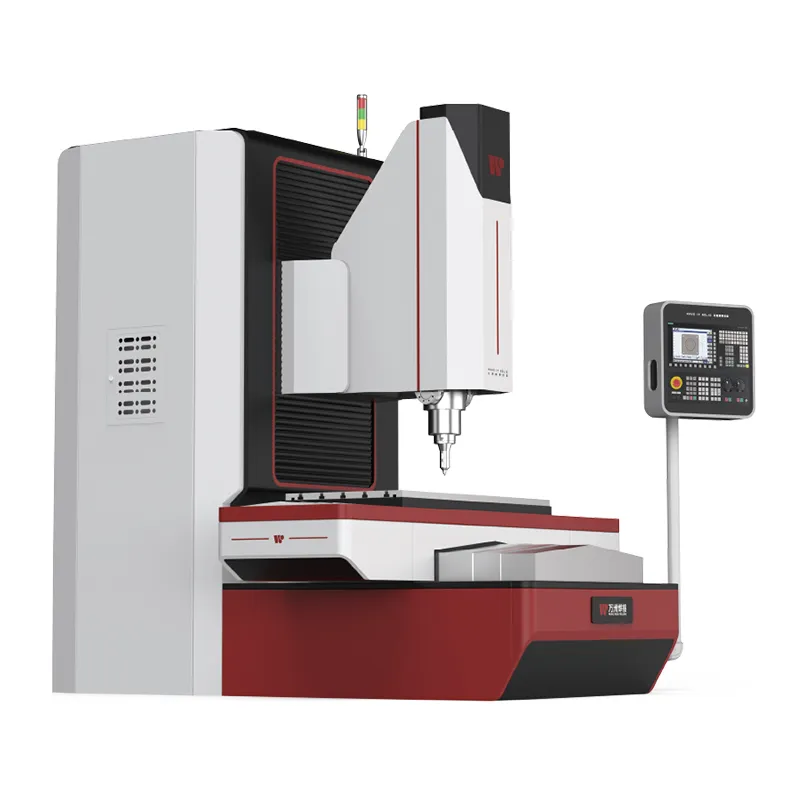
Despite the sophisticated technology, users may encounter issues:
Inconsistent Weld Quality: Regularly inspect and maintain the setup to prevent wear and misalignment.
Inadequate Heat Generation: Verify that the rotational speed is adjusted to suit the material type being welded. Insufficient heat can lead to weaker joins.
Operator Errors: Continuous operator training ensures that technicians remain adept with the latest technologies and techniques.
The transition to robotic friction stir welding is indeed a game-changing evolution for the welding industry. It addresses traditional welding headaches efficiently and effectively. By understanding the unique requirements and preparing adequately, manufacturers can harness the benefits of FSW technology. Companies like World Wide Welding are at the forefront of this innovation, providing essential training and support.
Copyright:@2020-2021

Comments Please sign in or sign up to post.
0
0 of 500 characters used