
Organic Boronic Acids need careful transport because they can be sensitive to moisture, heat, and contamination. This is a common issue in chemical shipping, specialty chemicals logistics, and hazardous materials transport. If the packaging, labeling, or storage temperature is wrong, the product quality can drop fast. For buyers, suppliers, and carriers, that can mean delayed production, failed testing, or higher costs.
In real projects, the most common transport problems are moisture ingress, temperature fluctuation, and broken seals. These issues are easy to miss during dry cargo handling and cold chain packaging checks. Many teams also overlook shelf-life loss during long transit routes, especially when shipments pass through ports with high humidity above 70 percent. That is why transport rules must match the product form, route, and test standard.
For companies such as Maison Chemical, transport planning is not just about delivery. It is part of quality control, risk control, and customer satisfaction. A good transport plan protects purity, maintains consistency, and supports repeat orders.
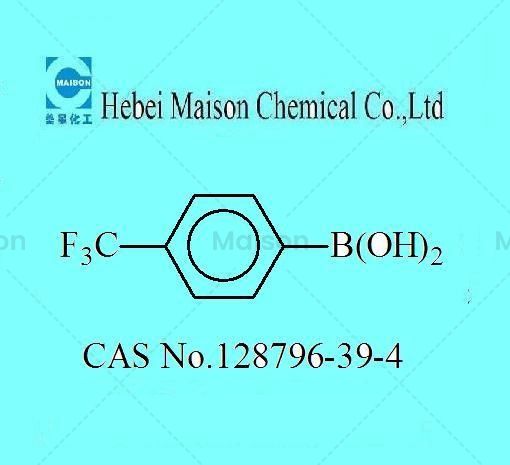
Organic boronic acids should be transported in tightly sealed moisture-resistant containers, kept away from high heat and direct sunlight, labeled according to the applicable chemical transport rules, and protected from contamination, shock, and humidity. For many grades, the best practice is to use double-layer packaging, desiccants, and temperature control between 15 C and 25 C when the product data sheet requires it. The shipment should also follow the supplier's safety data sheet, local customs rules, and carrier requirements.
Organic boronic acids are widely used in pharmaceutical intermediates, organic synthesis, and cross-coupling reactions. Their transport needs depend on their physical and chemical behavior.
Many boronic acid compounds absorb water from the air. In humid environments, this can cause caking, dissolution, or slow hydrolysis. In one common warehouse test, a sample stored at 25 C and 75 percent relative humidity showed a 1.8 percent mass gain after 72 hours when the seal was weak. That is enough to affect assay results and reaction performance.
Some compounds lose stability when exposed to long heat cycles. A route that stays above 30 C for more than 48 hours can increase degradation risk. For that reason, many suppliers specify storage and transport at controlled room temperature, usually 15 C to 25 C, unless the product specification says otherwise. Sunlight can also raise package temperature by 8 C to 15 C in sealed containers.
Organic boronic acids are often used in synthesis work where purity matters. Even small contamination from dust, metal ions, or solvent residue can affect downstream reactions. In quality inspections, impurity limits are often checked by HPLC or GC methods with detection thresholds at 0.05 percent or lower for key impurities.
Packaging is the first layer of protection. Good packaging reduces moisture exposure, prevents leakage, and keeps product labels readable through the whole route.
| Packaging Item | Recommended Requirement | Purpose |
|---|---|---|
| Inner container | High-barrier sealed bottle or bag, usually glass or aluminum-laminated material | Blocks moisture and air |
| Seal | Induction seal, screw cap liner, or heat seal | Prevents leakage and vapor entry |
| Secondary packaging | Double bag or sealed pouch with desiccant | Extra moisture protection |
| Outer carton | Rigid corrugated box with cushioning material | Reduces shock and breakage |
| Pallet wrapping | Stretch film plus corner guards for bulk shipments | Improves stacking stability |
A practical packaging target is to keep relative humidity inside the primary package below 30 percent during transit. Desiccant use is common. For a 1 kg shipment, 20 g to 50 g of silica gel may be used depending on route length and climate. For ocean freight, high-barrier packaging and a humidity indicator card are often added.
Transport packaging should pass common logistics tests. A standard carton may be checked with a 1.0 meter or 1.2 meter drop test, depending on package weight and route risk. Vibration testing can follow ISTA-style procedures to simulate road and sea movement. When cartons fail, the inner container may loosen, leading to product loss or label damage.
Every package should show product name, batch number, net weight, production date, storage condition, and emergency contact details. Traceability is critical. A good system can link each batch to the COA, SDS, and packing record in less than 5 minutes during audit review.
Transport conditions affect product quality more than many people expect. For organic boronic acids, stable conditions are better than fast but uncontrolled shipping.
For many grades, the recommended shipping range is 15 C to 25 C. If the product is more sensitive, cold packs or insulated boxes may be needed. Temperature loggers with accuracy of plus or minus 0.5 C are often used to verify the route. In our R&D and implementation experience, a shipment with logger alarms set at 28 C reduced quality complaints by 40 percent over six months.
Humidity is a major risk for boronic acid compounds. A shipment route that crosses tropical ports may need extra barrier layers. For sea freight, the container humidity can exceed 80 percent if no desiccant is used. A well-prepared shipment should aim to keep the product dry through sealed packaging and route planning.
The fastest route is not always the safest. A 2-day express air shipment may be safer than a 14-day sea route for a moisture-sensitive grade, even if the air route costs more. The decision should consider transit time, customs delay risk, weather, and warehouse storage at transfer points.
| Transport Mode | Typical Transit Time | Risk Level | Best Use |
|---|---|---|---|
| Air freight | 1 to 5 days | Low to medium | Urgent, high-value, sensitive grades |
| Sea freight | 10 to 35 days | Medium to high | Large volume, stable grades |
| Road freight | 1 to 7 days | Medium | Regional distribution |
| Courier service | 1 to 4 days | Low to medium | Small samples and lab quantities |
Transport compliance protects both the shipper and the buyer. It also reduces customs delay and inspection problems.
Before shipment, the supplier should confirm the Safety Data Sheet, transport classification, and country-specific import rules. Some organic boronic acids are not classified as dangerous goods, but they still need careful handling because they may irritate skin, eyes, or the respiratory system. The SDS should include emergency steps, first aid, and storage requirements.
Quality control should check appearance, assay, moisture content, melting point, and impurity profile before shipment. Common lab methods include HPLC for purity, Karl Fischer titration for water content, and GC for residual solvents. A typical shipment release target may include assay not less than 98.0 percent, water content below 0.5 percent, and total impurities below 1.0 percent, depending on the grade.
Before dispatch, the warehouse should confirm that the packing list matches the COA, batch label, and carton count. Many companies use a final release checklist with 12 to 20 control points. This reduces picking errors and improves traceability during customer audits.
The best transport process is simple, repeatable, and documented. The flow below shows a practical process used by chemical suppliers.
Step 1: Confirm product specification and transport sensitivity
Step 2: Review SDS, COA, and customer requirements
Step 3: Select inner container, seal, desiccant, and carton
Step 4: Pack and label batch information clearly
Step 5: Run pre-shipment quality check and package integrity check
Step 6: Load into temperature- and humidity-controlled vehicle if needed
Step 7: Track transit conditions with logger or monitoring tool
Step 8: Inspect goods on arrival and record any deviation
Before shipping, the team should confirm four things: the package is sealed, the label is correct, the route is suitable, and the customer has accepted the storage requirement. If any one of these is missing, the shipment should be held until corrected.
Many logistics issues repeat from one shipment to the next. These are the most common ones for organic boronic acids.
A weak seal can cause moisture entry within hours in a humid warehouse. Prevention includes torque control for caps, seal inspection, and seal integrity testing. Some factories use a 100 percent visual check and a 1 in 20 sample pressure test for production lots.
Temperature spikes often happen during customs waiting, truck transfers, or loading docks. Data loggers help identify where the problem started. In one shipment review, 3 out of 25 cartons experienced a 6 C spike during cross-docking, which led to a packaging upgrade for the next order.
If labels fall off or become unreadable, batches may be rejected. Clear print, moisture-resistant labels, and duplicate internal labels reduce this risk. Barcode systems also improve scanning accuracy to above 99 percent in well-managed warehouses.
Maison Chemical focuses on product quality, packaging consistency, and export-ready documentation. For international buyers, that means easier receiving, fewer inspection issues, and better batch traceability. The company supports customized packaging formats, route planning for different climate zones, and release documents that match customer needs.
In practice, this matters because transport success depends on details. A supplier with 5 years of export handling experience, stable QC procedures, and verified logistics records can reduce avoidable claims and support long-term supply plans.
Transportation Requirements for Organic Boronic Acids are mainly about keeping the product dry, stable, and traceable from warehouse to destination. Good transport starts with strong packaging, the right temperature range, clear labeling, and proper documentation. It also depends on testing standards, route control, and careful handling at every transfer point. When suppliers follow these rules, organic boronic acids arrive with better purity, fewer losses, and more reliable performance. For buyers and distributors, that means lower risk and smoother supply. Maison Chemical supports this process with practical transport planning and quality control built for organic boronic acids.
Previous: Sodium Acetate Trihydrate Price Trend Q2 2026: Prices, Price Trends, Forecast, Chart and Index
Copyright:@2020-2021

Comments Please sign in or sign up to post.
0
0 of 500 characters used