
A punctured tire is one of the most common issues drivers face, but not every flat tire needs to be replaced. In many cases, a professional repair can safely restore the tire's performance. However, certain types of damage make replacement the only safe option. Knowing the difference helps drivers reduce costs while maintaining road safety.
For vehicle owners, fleet managers, and tire distributors, understanding when to repair or replace Passenger Car Tires is essential for maximizing tire life and ensuring reliable performance. As a trusted tire manufacturer, LONGMARCH produces high-quality Passenger Car Tires engineered for durability, safety, and consistent performance under a variety of driving conditions.
Passenger Car Tires are designed to withstand thousands of miles of driving, but punctures from nails, screws, glass, or road debris can compromise their integrity. Improperly repairing or continuing to use a damaged tire can lead to serious consequences.
A weakened tire may experience sudden air loss or even a blowout, especially at highway speeds.
Damaged tires can affect:
· Braking distance
· Steering response
· Vehicle stability
· Fuel efficiency
Ignoring repairable damage may shorten tire life, while attempting to repair an irreparable tire could result in more expensive vehicle repairs or accidents.
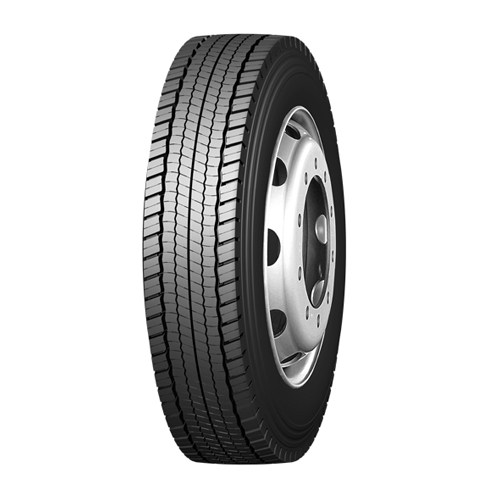
Understanding what causes tire damage helps drivers reduce future risks.
Construction areas often leave behind sharp metal objects that penetrate the tread.
Broken glass and roadside debris can puncture the tire surface.
Driving on gravel roads may expose tires to sharp stones capable of cutting the tread.
Deep potholes may not puncture the tire directly but can damage the internal structure or sidewall.
Striking curbs can weaken the sidewall or create hidden structural damage.
Not every puncture requires a new tire. Professional repair is often safe when specific conditions are met.
Repairs are generally acceptable if the damage is confined to the central tread.
The tread area contains the strongest portion of the tire and can usually be repaired using industry-approved methods.
Most tire manufacturers and repair standards recommend repairing punctures no larger than approximately 6 mm (1/4 inch) in diameter.
Larger holes may compromise the tire's structural integrity.
If the tire still has adequate tread depth and is otherwise in good condition, repair is often the most economical option.
A single puncture is generally easier and safer to repair than multiple closely spaced punctures.
Certain types of damage cannot be safely repaired.
The sidewall flexes continuously during driving.
Punctures, cuts, or bulges in the sidewall cannot be permanently repaired because they weaken the tire's structural strength.
Replacement is the only safe solution.
Damage near the edge of the tread, known as the shoulder area, is also difficult to repair safely.
This section experiences high stress during cornering.
If the puncture exceeds recommended repair limits, replacement is necessary.
Driving on an underinflated or completely flat tire may damage the internal cords even if the exterior appears normal.
Professional inspection is essential.
If a tire has already undergone several repairs, replacing it is usually safer than continuing to repair additional punctures.
Even if the puncture is repairable, a tire with worn tread should be replaced.
Low tread depth reduces traction, particularly on wet roads.
Drivers should seek professional inspection if they notice:
Repeated pressure loss may indicate hidden damage.
Bulges often signal internal cord separation.
Cracks may indicate aging or impact damage.
Unusual vibration can result from internal tire damage.
Abnormal wear patterns may point to alignment issues or damaged tire construction.
Not all repair techniques provide long-term safety.
Professional technicians typically use a combination repair consisting of:
· An internal patch
· A sealing plug
This method restores the tire while preventing air leakage.
Temporary plug repairs inserted from outside the tire may provide short-term air retention but are generally not recommended as permanent repairs.
Always follow recognized tire repair standards.
Although punctures cannot always be avoided, proper maintenance reduces the risk.
Proper inflation improves durability and reduces impact damage.
Remove embedded objects before they cause air leaks.
Whenever possible, steer around construction debris, broken glass, and sharp objects.
Regular rotation promotes even tread wear and extends tire life.
Adequate tread depth improves puncture resistance and wet-road performance.
LONGMARCH manufactures premium Passenger Car Tires that combine durability, safety, and driving comfort.
Optimized tread patterns provide:
· Enhanced wet traction
· Improved dry handling
· Reduced road noise
· Even wear performance
High-quality materials and reinforced internal structures improve resistance to punctures and road hazards.
Low rolling resistance helps improve fuel economy without compromising grip.
Every LONGMARCH tire undergoes comprehensive testing for:
· High-speed performance
· Durability
· Load capacity
· Uniformity
· Wet and dry traction
LONGMARCH offers Passenger Car Tires suitable for:
· Sedans
· SUVs
· Crossovers
· Family vehicles
· Commercial passenger fleets
Whether for daily commuting or long-distance travel, LONGMARCH provides dependable tire solutions for diverse driving conditions.
To maximize tire lifespan and performance:
Proper maintenance helps reduce repair frequency and extends the service life of Passenger Car Tires.
Knowing when to repair or replace a punctured Passenger Car Tire is essential for both safety and cost-effective vehicle maintenance. Small punctures located in the center tread can often be professionally repaired, while sidewall damage, large punctures, structural failures, or severely worn tires require replacement. Prompt inspection and proper repair decisions help prevent accidents, improve driving performance, and extend tire life.
With advanced manufacturing technology, durable materials, and rigorous quality control, LONGMARCH delivers high-performance Passenger Car Tires that provide reliable traction, excellent durability, and long-lasting value. Whether you're a distributor, fleet operator, or everyday driver, choosing quality tires and following proper maintenance practices ensures safer journeys and greater confidence on every road.
Previous: Can I use third-party parts on my Changan car?
Next: How Alignment and Balancing Prevent Irregular Truck Tire Wear
Copyright:@2020-2021

Comments Please sign in or sign up to post.
0
0 of 500 characters used