
Aluminum sandwich panels continue to gain popularity across construction, transportation, signage, and industrial applications due to their lightweight structure, high strength, and excellent durability. However, the long-term performance of these panels depends heavily on one critical factor: selecting the right aluminum sandwich panel adhesive.
As manufacturing technologies advance in 2026, adhesive solutions are becoming stronger, more sustainable, and more efficient. This guide explores the top adhesive options available today and helps manufacturers choose the best bonding solution for their production requirements.
Aluminum sandwich panels are typically composed of aluminum sheets bonded to a core material such as:
· Polyethylene (PE)
· Fire-resistant mineral cores
· Honeycomb structures
· Polyurethane (PU) foam
· Rock wool insulation
The adhesive creates a permanent bond between the aluminum skin and the core material. Poor adhesive selection can result in:
· Delamination
· Reduced structural strength
· Moisture penetration
· Thermal expansion issues
· Shortened product lifespan
A high-quality aluminum sandwich panel adhesive ensures excellent mechanical performance and long-term reliability.
The adhesive must provide strong adhesion to both aluminum surfaces and core materials. High peel strength and shear strength are essential for maintaining panel integrity.
Exterior applications require adhesives that can withstand:
· UV exposure
· Rain and humidity
· Temperature fluctuations
· Freeze-thaw cycles
Aluminum naturally expands and contracts with temperature changes. Flexible adhesives help absorb these movements without cracking or losing adhesion.
Manufacturers often prioritize adhesives that offer:
· Fast curing times
· Automated application compatibility
· Reduced waste
· Consistent performance
Many global markets now require low-VOC and environmentally friendly adhesive formulations that comply with sustainability standards.
Polyurethane adhesives remain one of the most widely used solutions in sandwich panel production.
· Excellent bonding strength
· Good flexibility
· Strong weather resistance
· Suitable for multiple core materials
· Construction panels
· Insulated wall systems
· Roofing panels
· Cold storage facilities
PU adhesives are particularly effective when manufacturers need a balance between structural performance and production efficiency.
Epoxy adhesives provide exceptional mechanical strength and durability.
· Outstanding structural bonding
· High chemical resistance
· Excellent heat resistance
· Long service life
· Aerospace components
· Transportation panels
· Heavy industrial equipment
Although curing times can be longer, epoxy systems deliver some of the strongest bonds available.
MS polymer technology continues to grow in popularity in 2026 due to its environmentally friendly properties.
· Solvent-free formulations
· Excellent elasticity
· UV resistance
· Strong adhesion without primers
· Architectural façade panels
· Exterior cladding systems
· Sustainable building projects
Manufacturers looking to meet green building standards increasingly prefer MS polymer adhesives.
Reactive hot melt adhesives combine fast processing with high final bond strength.
· Rapid curing
· High production efficiency
· Excellent moisture resistance
· Strong structural bonding
· High-volume manufacturing
· Continuous production lines
· Automated panel assembly
These adhesives help manufacturers improve throughput while maintaining product quality.
Acrylic adhesives are known for their excellent adhesion to metal surfaces.
· Fast fixture times
· High impact resistance
· Strong aluminum bonding
· Minimal surface preparation
· Transportation panels
· Signage systems
· Lightweight composite structures
Their fast curing capabilities make them ideal for manufacturers seeking productivity improvements.
Environmental regulations continue to influence adhesive development. Manufacturers are increasingly adopting:
· Low-VOC products
· Solvent-free systems
· Bio-based adhesive technologies
Fire safety requirements are driving demand for adhesives that contribute to improved fire resistance in composite panel systems.
Modern adhesive systems are now designed to work seamlessly with automated dispensing and monitoring equipment, improving production consistency and reducing operational costs.
Research and development efforts are focused on creating adhesives capable of maintaining bond strength under increasingly demanding environmental conditions.
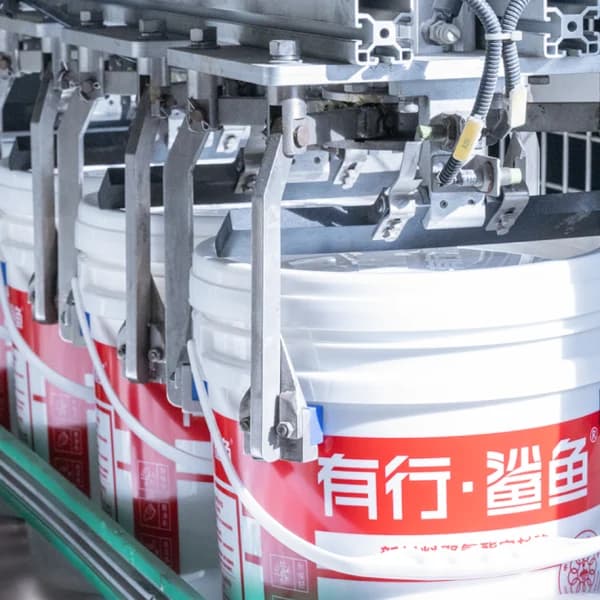
As panel manufacturers seek higher efficiency and better product performance, reliable adhesive suppliers become increasingly important. YouXing Shark offers advanced adhesive technologies designed specifically for composite panel production.
Key benefits include:
· Strong aluminum-to-core bonding performance
· Consistent manufacturing quality
· Excellent weather resistance
· Compatibility with automated production lines
· Support for sustainable manufacturing goals
By selecting the right adhesive solution, manufacturers can significantly improve product durability, reduce production defects, and enhance overall operational efficiency.
Choosing the best aluminum sandwich panel adhesive is a critical decision that directly impacts panel quality, durability, and manufacturing productivity. In 2026, polyurethane adhesives, epoxy systems, MS polymers, reactive hot melts, and acrylic structural adhesives remain the leading choices for various applications.
The ideal adhesive depends on factors such as bonding requirements, environmental exposure, production speed, and regulatory compliance. By partnering with trusted suppliers like YouXing Shark, manufacturers can achieve stronger bonds, improved product reliability, and a competitive advantage in the growing aluminum sandwich panel market.
Previous: Activated Carbon Solutions- Henan Zhengying
Next: Choosing the Right Antioxidant for High-Temperature Polymer Processing
Copyright:@2020-2021

Comments Please sign in or sign up to post.
0
0 of 500 characters used