
High-temperature polymer processing is essential in modern plastic manufacturing. Processes such as extrusion, injection molding, blow molding, and fiber production expose polymers to intense thermal stress that can quickly degrade material performance. Without proper stabilization, plastics may experience oxidation, discoloration, reduced mechanical strength, and shorter service life.
To prevent these issues, manufacturers rely on Antioxidant additives. Choosing the right Antioxidant system is critical for maintaining polymer quality, improving processing stability, and extending product durability. Different polymers and processing environments require different stabilization strategies, making antioxidant selection an important part of polymer formulation.
During polymer processing, plastics are exposed to elevated temperatures and oxygen simultaneously. This combination accelerates oxidation reactions within the polymer structure.
When polymers degrade under heat, manufacturers may observe:
· Yellowing or discoloration
· Loss of tensile strength
· Reduced flexibility
· Surface cracking
· Melt flow instability
· Brittleness
· Reduced product lifespan
Thermal oxidation also increases production waste and reduces manufacturing efficiency.
High temperatures generate unstable free radicals within the polymer chains. These radicals react with oxygen and trigger chain reactions that continuously damage the material structure.
Antioxidants interrupt these reactions and protect polymers from further degradation.
An Antioxidant is a stabilizing additive designed to protect polymers against oxidative degradation during processing and long-term use.
Antioxidants help maintain:
· Polymer molecular weight
· Mechanical properties
· Color stability
· Thermal resistance
· Processing consistency
They are essential in applications where plastics face repeated heat exposure or extended service life requirements.
Different antioxidants perform different protective functions. Most high-performance stabilization systems use a combination of antioxidant types.
Primary antioxidants directly neutralize free radicals generated during oxidation.
· Long-term thermal stability
· Oxidation resistance
· Improved aging performance
· Better mechanical property retention
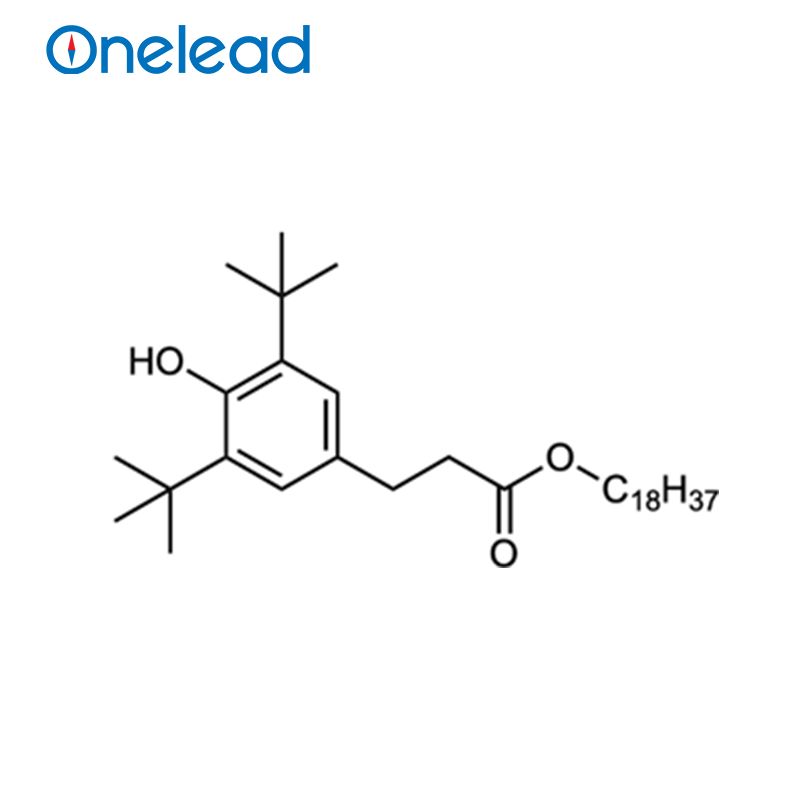
Hindered phenolic antioxidants are the most common primary antioxidants used in polymer processing.
Secondary antioxidants decompose hydroperoxides before they can form additional radicals.
· Improved processing stability
· Better melt flow control
· Reduced discoloration
· Enhanced thermal protection during manufacturing
Phosphite antioxidants are widely used as secondary stabilizers.
Manufacturers often combine primary and secondary antioxidants because they work synergistically.
Combined systems provide:
· Stronger thermal protection
· Improved processing efficiency
· Enhanced long-term durability
· Better color retention
This approach is especially important in high-temperature polymer applications.
Selecting the right antioxidant depends on several important processing and application requirements.
Different polymers have different oxidation sensitivities.
· Polypropylene (PP)
· Polyethylene (PE)
· ABS
· Polycarbonate (PC)
· Engineering plastics
· Thermoplastic elastomers
Each material requires specific stabilization characteristics for optimal performance.
Higher processing temperatures require antioxidants with strong thermal stability and low volatility.
Applications involving:
· Extrusion
· Injection molding
· Fiber spinning
· Recycling
often need highly efficient antioxidant systems.
Longer residence time in processing equipment increases oxidation risk. Antioxidants must remain stable throughout the manufacturing cycle.
Products exposed to harsh environments require stronger long-term stabilization.
Manufacturers should consider:
· UV exposure
· Humidity
· Mechanical stress
· Outdoor conditions
· Heat aging requirements
Transparent or white plastic products require antioxidants that minimize discoloration during processing.
Some antioxidants provide superior color stability compared to others.
Using only one antioxidant type is often insufficient for demanding processing conditions.
Primary antioxidants provide long-term oxidation resistance, while secondary antioxidants improve processing stability.
Together, they help:
· Reduce polymer degradation
· Maintain molecular structure
· Improve product consistency
· Extend service life
· Enhance production efficiency
This synergistic effect is widely used across the plastics industry.
Thermal oxidation can break polymer chains, reducing mechanical performance and product quality.
Excessive heat exposure may cause yellowing or darkening in plastic products.
Some antioxidants evaporate at high temperatures, reducing stabilization efficiency.
Poor compatibility between antioxidants and polymers can lead to migration, blooming, or uneven performance.
Selecting the correct antioxidant system helps minimize these issues.
Recycled polymers are especially vulnerable to oxidation because they undergo repeated thermal processing cycles.
Antioxidants help recycled plastics maintain:
· Mechanical strength
· Melt flow stability
· Appearance quality
· Long-term durability
As sustainability becomes more important, advanced antioxidant systems play a major role in improving recycled polymer performance.
Many industries rely heavily on antioxidant technology.
Automotive plastics must withstand:
· Continuous heat exposure
· Mechanical stress
· Long service life
Antioxidants improve durability in dashboards, bumpers, wiring systems, and engine-related components.
Packaging materials require stable processing performance and long-term flexibility.
Electronic devices generate heat during operation. Antioxidants help stabilize housings, connectors, and insulation materials.
Construction plastics need long-term weather and thermal resistance for outdoor applications.
Modern polymer manufacturing increasingly focuses on:
· Sustainable materials
· Low-VOC formulations
· Recyclable plastics
· Longer-lasting products
Advanced antioxidant technologies are being developed to support these goals while improving polymer performance under demanding processing conditions.
Companies like Onelead continue providing innovative antioxidant solutions that help manufacturers improve polymer stability, processing efficiency, and long-term product reliability.
Choosing the right Antioxidant for high-temperature polymer processing is essential for maintaining product quality and preventing thermal degradation. High processing temperatures can rapidly damage polymers, leading to discoloration, reduced strength, and shorter product lifespan.
Primary antioxidants provide long-term oxidation resistance by neutralizing free radicals, while secondary antioxidants improve processing stability by decomposing hydroperoxides. Together, they create highly effective stabilization systems for demanding polymer applications.
By selecting the proper antioxidant combination based on polymer type, processing conditions, and end-use requirements, manufacturers can improve production efficiency, extend product lifespan, and achieve superior polymer performance across a wide range of industries.
Previous: Activated Carbon Solutions- Henan Zhengying
Next: Industrial Emulsifiers for textile and leather processing
Copyright:@2020-2021

Comments Please sign in or sign up to post.
0
0 of 500 characters used