
Compressed air quality is crucial for industrial processes, especially in sensitive applications such as pharmaceuticals, food processing, electronics manufacturing, and precision engineering. Contaminated compressed air can damage equipment, compromise product quality, and increase maintenance costs. To ensure compliance with international standards, many industries follow ISO 8573, which defines compressed air purity classes. Achieving these standards requires high-performance filtration components, including air compressor intake filters and oil filter elements for compressor air.
ZHUAN LV provides a range of filtration solutions designed to meet ISO 8573 standards, ensuring clean, dry, and oil-free compressed air for demanding industrial applications.
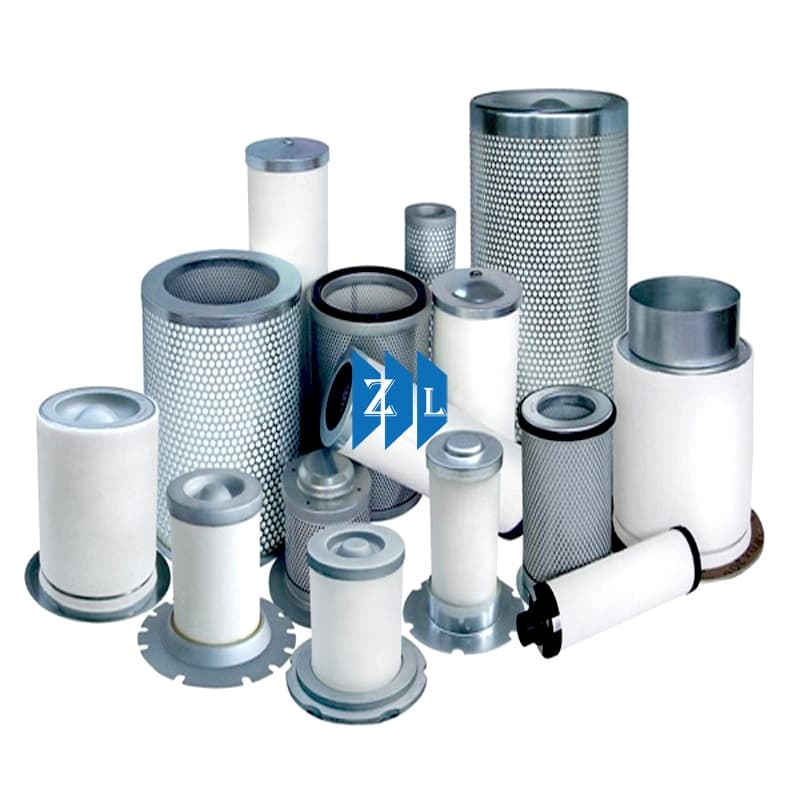
ISO 8573 specifies the permissible levels of contaminants in compressed air, including:
· Particulate matter (dust, rust, and solid particles)
· Water (vapor and liquid droplets)
· Oil (aerosols, liquid oil, and vapor)
The standard defines different purity classes for each type of contaminant, helping engineers select the right filters for their applications. For example:
· Class 1: Ultra-clean compressed air with minimal oil and water content
· Class 2–3: Suitable for general industrial use
· Class 4–5: For equipment requiring standard compressed air quality
Using high-quality filtration components is essential for meeting these standards reliably.
The air compressor intake filter is the first line of defense against airborne contaminants entering the compressor.
· Removes dust, dirt, and other solid particles
· Protects compressor internals from wear and damage
· Ensures smoother airflow for efficient operation
· Helps maintain oil quality within the system
Air compressor intake filters should be inspected regularly and replaced according to the manufacturer’s recommendations. Clogged or damaged filters can reduce airflow, increase energy consumption, and allow contaminants to enter the system, compromising ISO 8573 compliance.
ZHUAN LV air compressor intake filters are engineered to provide high particulate removal efficiency, long service life, and reliable protection for compressed air systems.
Lubricated compressors can introduce oil into the compressed air stream, which must be removed to meet purity standards. The oil filter element for compressor air captures oil aerosols and droplets, preventing contamination of equipment and products.
· Coalescing: Small oil droplets combine into larger ones within the filter media
· Separation: Larger droplets are collected and drained from the system
· Purification: Clean, dry air passes downstream for use in industrial applications
· Reduces oil carryover in compressed air
· Prevents contamination in sensitive production processes
· Extends the lifespan of downstream equipment
· Supports compliance with ISO 8573 oil purity classes
ZHUAN LV oil filter elements for compressor air are designed to provide high efficiency in oil removal while maintaining low pressure drop and long service intervals.
Achieving ISO 8573 compressed air purity often requires a multi-stage filtration system:
1. Air compressor intake filter – Removes solid particles before air enters the compressor
2. Oil filter element for compressor air – Removes oil aerosols from the compressed air stream
3. Optional additional filters – Water separators or activated carbon filters for ultra-clean air
This layered approach ensures compliance with ISO 8573 standards for particle, water, and oil content.
· Maximizes compressed air quality
· Reduces maintenance for downstream equipment
· Ensures consistent and reliable operation
· Supports industries with stringent air purity requirements
Even high-performance filters require routine maintenance. Key indicators include:
· Increased pressure drop across the filter
· Visible oil or water in the compressed air output
· Reduced air flow or compressor efficiency
· Contamination detected during air quality testing
Replacing filters on schedule and using genuine ZHUAN LV components ensures continued ISO 8573 compliance.
· Establish a preventive maintenance schedule
· Monitor differential pressure across filters
· Inspect and replace filters according to operating conditions
· Use high-quality replacement elements from trusted manufacturers
· Test compressed air regularly to confirm compliance with ISO 8573 standards
Maintaining compressed air purity according to ISO 8573 standards requires a combination of air compressor intake filters and oil filter elements for compressor air. Intake filters protect the compressor from particulates, while oil filters remove lubricating oil aerosols, ensuring clean and safe compressed air for sensitive applications.
By using high-quality filtration components, performing regular maintenance, and monitoring air quality, industrial operators can achieve reliable ISO 8573 compliance, extend equipment life, and improve product quality.
ZHUAN LV provides premium air compressor intake filters and oil filter elements designed for maximum efficiency, durability, and consistent performance in demanding industrial environments.
Copyright:@2020-2021

Comments Please sign in or sign up to post.
0
0 of 500 characters used