
In industrial filtration systems, pressure differential is one of the most important indicators of filter condition. When differential pressure becomes too high, it usually signals that the filter element is clogged, overloaded, or no longer operating efficiently. Ignoring this warning can reduce filtration performance, increase energy consumption, and even cause system damage.
For systems using a sintered filter cartridge, monitoring pressure differential is especially important because it helps determine the right time for cleaning or replacement. Although a sintered powder filter element is more durable and reusable than disposable filters, excessive pressure differential still indicates that maintenance action is required. This is why industrial users rely on ZHUAN LV for durable filtration solutions designed for long-term performance and easy maintenance.
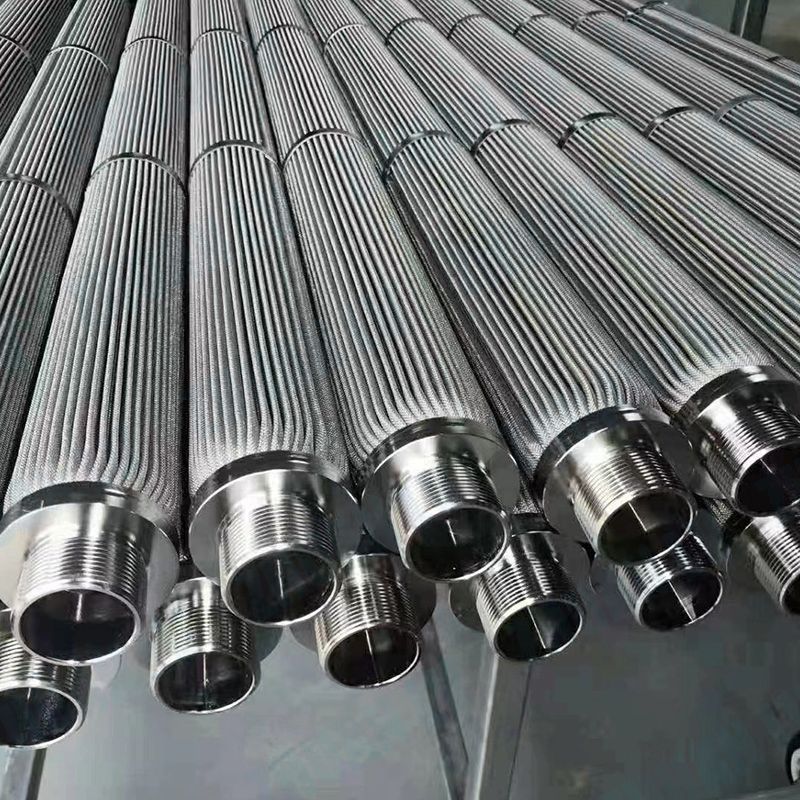
Pressure differential, also called differential pressure or pressure drop, is the difference between the pressure on the inlet side of the filter and the outlet side.
As contaminants accumulate inside the filter media, flow resistance increases. This causes upstream pressure to rise while downstream pressure drops, creating a higher differential pressure across the filter.
A sintered filter cartridge is designed to maintain stable flow while trapping contaminants. When differential pressure becomes too high, it usually means the filter pores are becoming restricted and the element can no longer operate efficiently.
A rising pressure differential is a normal part of filter operation, but excessive pressure differential indicates a problem that must be addressed.
The most common cause is particle accumulation inside the filter media.
As solids collect in the porous structure of the sintered powder filter element, flow passages become narrower and resistance increases.
Over time, this leads to excessive pressure drop and reduced filtration performance.
Very fine particles can penetrate deep into the porous structure of a sintered filter cartridge, causing internal blockage that is harder to remove than surface fouling.
This can accelerate pressure buildup and shorten maintenance intervals.
If flow demand exceeds the filter’s design capacity, pressure differential may rise even when contamination levels are moderate.
An undersized sintered powder filter element often experiences excessive pressure drop because the available filtration area is too small for the required flow rate.
Thicker fluids create greater resistance when passing through the filter.
If process fluid viscosity increases due to lower temperature or formulation changes, differential pressure may rise even without severe contamination.
A high pressure differential does not always mean immediate replacement is required. For a sintered filter cartridge, cleaning is often the first step.
However, replacement becomes necessary when cleaning no longer restores acceptable flow and pressure performance.
· Differential pressure remains high after cleaning
· Flow rate does not recover after maintenance
· Filtration efficiency declines
· The filter shows structural damage
· Pressure drop rises too quickly after cleaning
· The porous structure becomes permanently blocked
A sintered powder filter element is reusable, but it is not permanent. Once cleaning can no longer restore performance, replacement is the correct solution.
Knowing when to replace rather than clean helps prevent wasted maintenance effort and protects system reliability.
Some contaminants become deeply embedded or chemically bonded inside the filter media.
If cleaning cannot fully remove them, internal pore blockage becomes permanent and the sintered filter cartridge will continue to show excessive pressure differential.
A sintered powder filter element should be replaced if it shows:
· Cracks
· Deformation
· Weld damage
· End cap failure
· Support core collapse
Structural damage can reduce pressure resistance and create bypass risk.
If downstream contamination increases even after cleaning, the filter media may be worn or damaged.
This indicates that the sintered filter cartridge can no longer provide reliable filtration and should be replaced.
If pressure differential rises again very quickly after cleaning, the filter may have lost usable permeability.
This often indicates permanent fouling or internal structural degradation.
Running a filter too long under excessive pressure differential can create serious operational problems.
Higher pressure drop forces pumps and compressors to work harder, increasing energy consumption.
Restricted flow can reduce production efficiency and affect process stability.
Excessive differential pressure can deform or damage the sintered powder filter element, reducing service life.
If pressure stress becomes too high, seals, welds, or structural joints may fail, allowing contaminants to bypass the filter.
Proper maintenance can extend the life of a sintered filter cartridge and reduce replacement costs.
Track pressure trends and service the filter before pressure reaches damaging levels.
Routine cleaning prevents deep fouling and helps maintain permeability.
Use pre-filtration when heavy solids are present to reduce stress on the sintered powder filter element.
Use the correct micron rating, flow capacity, and material design for the application.
A well-manufactured sintered filter cartridge from ZHUAN LV offers better pore stability, stronger structure, and longer service life.
When pressure differential becomes too high, a sintered filter cartridge should be inspected immediately to determine whether cleaning or replacement is needed. While a sintered powder filter element can often be cleaned and reused, persistent high pressure after maintenance is a clear sign that replacement is necessary.
By monitoring differential pressure closely and using high-quality filtration products from ZHUAN LV, industrial users can reduce downtime, improve efficiency, and extend the service life of their filtration systems.
Copyright:@2020-2021

Comments Please sign in or sign up to post.
0
0 of 500 characters used