
In industrial filtration systems, pressure is one of the most important factors affecting filter performance and service life. When operating pressure exceeds the design limits of a filter, premature failure can occur, leading to reduced efficiency, contamination risks, and costly downtime. Understanding why a sintered filter cartridge fails under high pressure is essential for preventing system damage and extending filter life.
Compared with disposable filters, sintered stainless steel filter elements are known for their superior strength and durability. However, even high-performance filters can fail if pressure conditions exceed safe operating limits. This is why many industrial users rely on ZHUAN LV for durable filtration solutions engineered for demanding high-pressure applications.
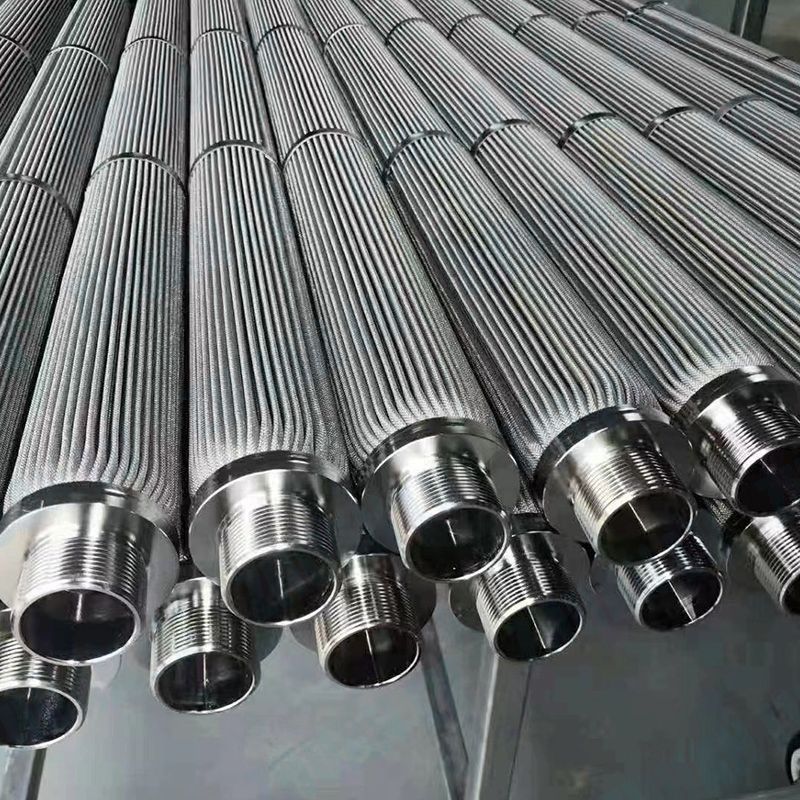
A sintered filter cartridge is a rigid filtration element made by bonding metal particles or multiple layers of woven metal mesh through a high-temperature sintering process. This creates a porous, durable filter structure with excellent mechanical strength and stable pore distribution.
Sintered stainless steel filter elements are commonly made from 304, 316L, or other corrosion-resistant alloys and are widely used in high-pressure industrial systems because they offer:
· Strong mechanical integrity
· Excellent pressure resistance
· High-temperature tolerance
· Corrosion resistance
· Reusability and long service life
Even with these advantages, pressure-related failure can still occur under improper operating conditions.
A sintered filter cartridge can fail under high pressure for several mechanical and operational reasons.
The most common cause of filter failure is excessive differential pressure.
Differential pressure is the pressure difference between the upstream and downstream sides of the filter. As contaminants build up, this pressure difference increases.
If differential pressure exceeds the structural limit of the sintered stainless steel filter elements, the filter may deform, crack, or collapse.
· Media deformation
· Structural compression
· Pore distortion
· Reduced filtration accuracy
· Mechanical failure
Even strong sintered filter cartridge designs have pressure limits that must not be exceeded.
When contaminants accumulate inside the filter, flow becomes restricted and internal pressure rises.
A clogged sintered filter cartridge experiences higher stress because the system must force fluid or gas through blocked pores.
This can lead to:
· Sudden pressure spikes
· Flow channel stress
· Media fatigue
· Increased risk of rupture
Routine cleaning is critical to protect sintered stainless steel filter elements from pressure overload caused by fouling.
Not all filters are designed for the same pressure conditions.
A sintered filter cartridge may fail simply because it was not designed for the actual operating pressure, flow rate, or contaminant load.
Common design issues include:
· Insufficient wall thickness
· Incorrect micron rating
· Weak support structure
· Inadequate end cap strength
Choosing the wrong filter specification is a major cause of pressure-related failure.
Pressure failure is often linked to mechanical stress inside the filter structure.
Under extreme pressure, the porous metal structure may deform.
Although sintered stainless steel filter elements are rigid, excessive stress can compress the filter media and distort pore geometry.
This reduces filtration performance and may permanently damage the cartridge.
In many filter designs, welds connect the filtration media to end caps or support structures.
Poor welding quality or repeated pressure cycling can weaken these joints.
Under high pressure, weld failure may cause:
· Media separation
· End cap detachment
· Bypass leakage
· Complete cartridge failure
High-quality manufacturing is essential for pressure durability, which is why ZHUAN LV emphasizes strong structural welding in every sintered filter cartridge.
Some sintered stainless steel filter elements include internal support cores to improve pressure resistance.
If the support core is undersized or poorly designed, it may collapse under heavy load, causing the filter media to fail.
A properly engineered support structure is essential in high-pressure systems.
In addition to mechanical issues, operating conditions often contribute to filter damage.
Sudden pressure spikes are one of the most dangerous threats to a sintered filter cartridge.
These surges may be caused by:
· Rapid valve closure
· Pump startup shock
· Flow interruption
· Water hammer effects
Even if average system pressure is acceptable, sudden surges can exceed the safe limit of sintered stainless steel filter elements and cause instant damage.
High temperature combined with high pressure increases mechanical stress.
Thermal expansion can weaken joints, increase material fatigue, and amplify internal pressure loads.
This is especially important in steam and hot gas filtration systems.
Aggressive cleaning can also weaken the filter.
Excessive reverse pressure during backwashing may damage the porous structure, welds, or support core of a sintered filter cartridge.
Cleaning pressure should always remain within the cartridge’s design limits.
Preventing pressure failure requires proper design, operation, and maintenance.
Choose sintered stainless steel filter elements rated for the actual system pressure, temperature, and flow conditions.
Track pressure drop across the filter and clean it before pressure reaches damaging levels.
Use pressure control valves, gradual startup procedures, and surge protection to reduce sudden shock loads.
Routine cleaning prevents clogging and reduces excessive pressure buildup.
Well-manufactured sintered filter cartridge products from ZHUAN LV provide stronger welds, better support structures, and more reliable pressure resistance.
A sintered filter cartridge can fail under high pressure due to excessive differential pressure, clogging, poor design selection, weld failure, pressure surges, and improper maintenance. Even durable sintered stainless steel filter elements have mechanical limits that must be respected.
By selecting the right filter design, monitoring system pressure, and maintaining proper operating conditions, industrial users can prevent premature failure and extend filter life. ZHUAN LV provides high-performance filtration solutions designed to withstand demanding pressure conditions while delivering reliable long-term performance.
Previous: Precision Machined Components: The Key to Manufacturing Success
Next: None.
Copyright:@2020-2021

Comments Please sign in or sign up to post.
0
0 of 500 characters used