
Choosing the right insulation material is important not only for thermal performance but also for installation efficiency and worker safety. Among the most widely used insulation materials in industrial and construction applications are rock wool and glass wool. Both provide excellent thermal and acoustic insulation, but they differ significantly in handling, installation difficulty, and workplace safety considerations.
As a professional Thermal Insulation Manufacturer, Huana provides high-quality insulation solutions for commercial, industrial, and residential projects. Understanding the differences between rock wool and glass wool helps contractors and project managers select the most suitable material for both performance and installation requirements.
This article compares rock wool and glass wool from the perspective of installation ease and worker safety.
Rock wool, also known as mineral wool or stone wool, is made from natural volcanic rock and industrial minerals melted at high temperatures and spun into fibers.
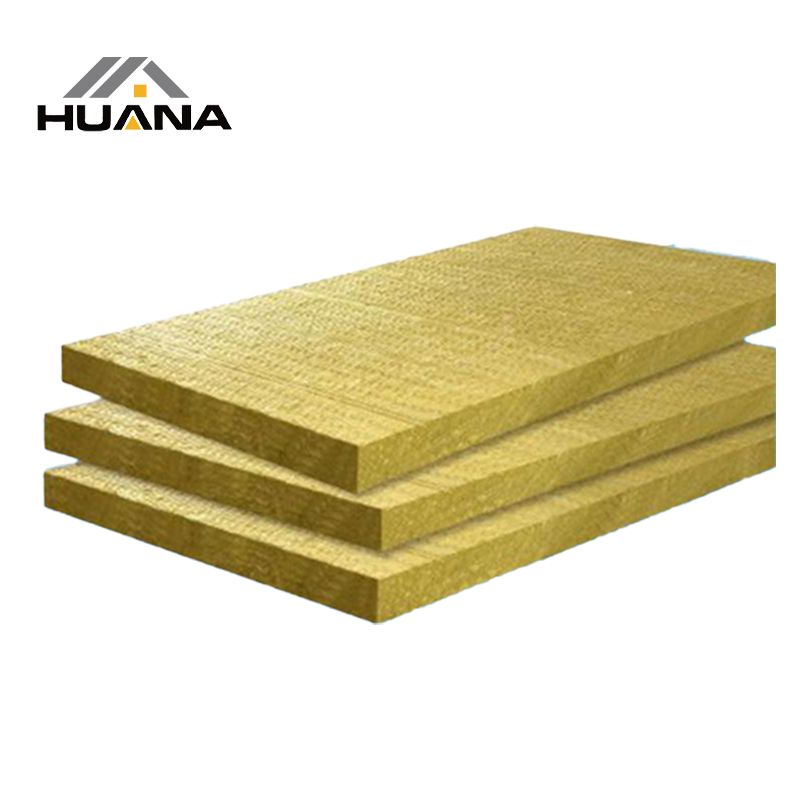
· High fire resistance
· Excellent thermal insulation
· Strong sound absorption performance
· Good mechanical strength
· Moisture resistance
Rock wool is commonly used in industrial equipment, building walls, roofing systems, and high-temperature environments.
Glass wool is manufactured from recycled glass and sand that are melted and spun into fine fibers.
· Lightweight structure
· Good thermal insulation performance
· Cost-effective material
· Flexible installation capability
· Excellent acoustic insulation
Glass wool is widely used in HVAC systems, ceilings, partitions, and residential construction.
Installation efficiency affects labor costs, project timelines, and overall construction productivity.
Rock wool is generally denser and heavier than glass wool.
· Better structural stability
· Easier to maintain shape during installation
· Heavier weight increases worker fatigue
· More difficult to transport and lift on-site
Glass wool is lighter and more flexible.
· Easier to carry and install
· Faster handling during large-scale projects
· Reduced physical strain on workers
For projects requiring quick installation, glass wool often provides better convenience.
Rock wool boards and panels are relatively rigid.
· Precise fitting in structured applications
· Better dimensional stability
· Requires sharper cutting tools
· More effort during shaping and trimming
Glass wool is softer and easier to cut.
· Flexible fitting around pipes and irregular surfaces
· Faster installation in tight spaces
· May compress more easily during installation
From an installation speed perspective, glass wool is generally easier to work with.
Due to its density and rigidity, rock wool tends to remain stable after installation.
· Better resistance to compression
· Less sagging over time
· Stronger mechanical performance
Glass wool may require additional support in some vertical or overhead applications.
· Compression under weight
· Reduced thickness if improperly installed
A professional Thermal Insulation Manufacturer like Huana can provide application-specific products to improve installation stability.
Worker safety is a major consideration during insulation installation.
Rock wool fibers are thicker but can still cause skin irritation during handling.
· Skin itching
· Eye irritation
· Respiratory discomfort if fibers become airborne
Glass wool fibers are finer and lighter.
· Increased airborne particles
· Skin and respiratory irritation
· Eye discomfort during installation
Both materials require protective equipment during installation.
For both rock wool and glass wool installation, workers should use:
· Gloves
· Long-sleeved protective clothing
· Safety goggles
· Dust masks or respirators
Proper PPE significantly reduces exposure risks during insulation handling.
Rock wool typically generates less airborne dust due to its denser structure.
Glass wool’s lighter fibers may remain suspended in the air longer during installation.
Higher airborne particle levels can affect:
· Worker breathing comfort
· Indoor air quality
· Cleanup requirements
Good ventilation is essential during installation of both materials.
Fire resistance is another important safety factor.
Rock wool is non-combustible and highly resistant to extreme temperatures.
· Excellent fire protection
· Suitable for industrial high-temperature environments
Glass wool also offers strong fire resistance but may have lower maximum temperature tolerance compared to rock wool.
For projects requiring superior fire protection, rock wool is often preferred.
Environmental conditions can influence installation safety and long-term durability.
Rock wool resists water absorption and helps reduce mold growth risk.
Glass wool may lose some insulating performance if exposed to excessive moisture.
Proper vapor barriers and waterproofing are important for both materials.
Installation cost includes both material price and labor efficiency.
· Higher material density
· Longer installation time
· Better long-term durability
· Faster installation
· Lower transportation cost
· Reduced labor effort
For large commercial projects, labor savings from easier installation may become significant.
The answer depends on project requirements.
· High-temperature industrial environments
· Fire-resistant construction
· Applications requiring strong mechanical stability
· Lightweight installations
· Fast construction schedules
· Residential and HVAC applications
In terms of installation ease, glass wool is generally easier to handle and install. In terms of fire resistance and long-term structural stability, rock wool often provides superior performance.
As an experienced Thermal Insulation Manufacturer, Huana provides high-quality rock wool and glass wool insulation solutions for industrial and commercial applications.
Key advantages include:
· Reliable thermal insulation performance
· Advanced fire-resistant materials
· Customized insulation solutions
· Stable product quality
· Professional technical support
Huana helps clients select insulation systems that balance efficiency, safety, durability, and cost-effectiveness.
Both rock wool and glass wool are effective insulation materials, but they differ in installation difficulty, worker safety, and long-term performance. Glass wool is lighter and easier to install, while rock wool offers better fire resistance, durability, and structural stability.
Choosing the right material depends on project conditions, safety requirements, and installation priorities. As a trusted Thermal Insulation Manufacturer, Huana provides professional insulation solutions designed to support safe installation, reliable performance, and long-term energy efficiency across a wide range of industries.
Previous: Best Grout Colors to Complement Glass Mosaic Bathroom Tiles
Next: What Is FRP Pipe and Why It Is Widely Used in Industrial Pipeline Systems
Copyright:@2020-2021

Comments Please sign in or sign up to post.
0
0 of 500 characters used