
In today’s industrial landscape, the demand for efficient and durable materials has led FRP Pipe manufacturers to innovate rapidly. Fiber Reinforced Plastic (FRP) pipes are becoming increasingly essential in pipeline systems across various industries due to their strength-to-weight ratio, corrosion resistance, and longevity. Unlike traditional materials like metal or concrete, FRP pipes offer substantial benefits that address major industry pain points, such as rusting and higher maintenance costs, leading to downtime. With the global FRP pipe market projected to reach USD 20.5 billion by 2026, understanding what FRP pipes are and their applications is crucial for businesses looking to optimize their operations.
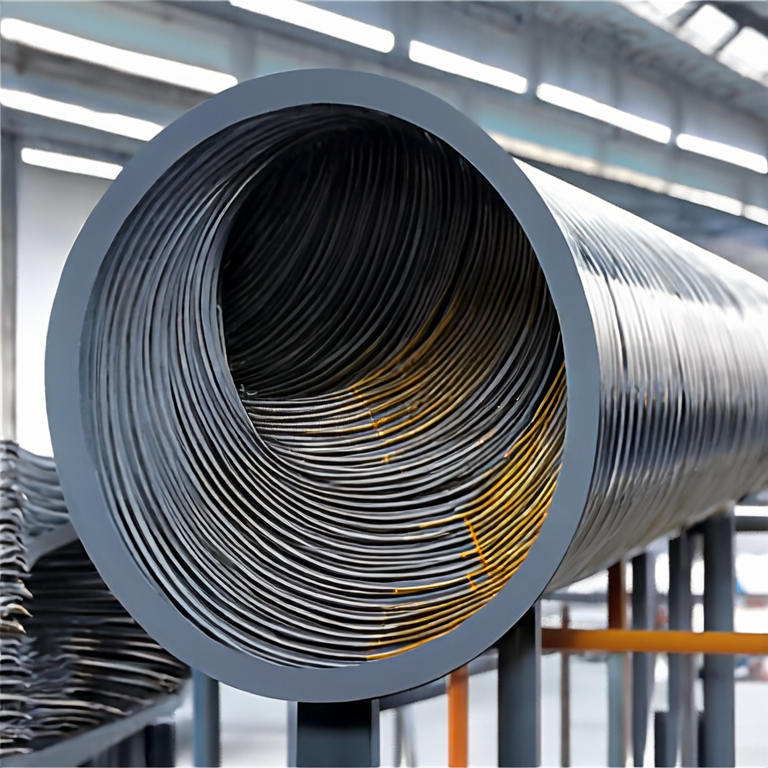
Fiber Reinforced Plastic (FRP) pipes are composite materials made by combining a polymer matrix with a reinforcement material, typically fiberglass. This combination affords FRP pipes superior mechanical properties compared to non-composite materials. From an industry terminology perspective, "fiber reinforcement" refers to the incorporation of fibers, often made from glass, in a polymer matrix to enhance mechanical strength. According to the American Society for Testing and Materials (ASTM), related testing specifies that FRP pipes can endure pressure ratings from 15 to 200 psi, making them suitable for diverse applications.
FRP pipes find applications in numerous sectors due to their versatility. Here are some key industries utilizing FRP pipes:
Water Treatment and Supply: As pipelines for potable water and wastewater systems, FRP pipes resist corrosion from harsh chemicals, extending system longevity by up to 30 years.
Oil and Gas: FRP pipes are integral in transporting both oil and gas, thanks to their ability to withstand high pressures and resist chemicals that can lead to leaks.
Agriculture: Used extensively for irrigation systems, they offer the advantage of lightweight designs, which facilitate ease of installation and maintenance.
Chemical Processing: With their corrosion-resistant properties, FRP pipes are ideal for handling various corrosive chemicals, ensuring process reliability.
The advantages of FRP pipes are instrumental in various applications:
Corrosion Resistance: FRP pipes exhibit a resistance to a wide range of chemicals and environmental factors, which leads to a 50% reduction in maintenance costs over traditional materials.
Lightweight Properties: Weighing roughly 25% less than equivalent steel pipes, FRP pipes can be transported and installed with ease, significantly cutting labor costs and installation time.
Durability: FRP pipes show a lower thermal expansion coefficient, minimizing deformation under temperature changes. Their expected operational longevity can exceed 50 years with minimal maintenance, greatly reducing lifecycle costs.
For those looking to expand their knowledge or explore purchasing options, reading the user guide specific to your needs, especially in regard to installation and maintenance, is highly recommended. Additionally, connecting with trusted FRP Pipe manufacturers like Pipezy, known for their reliable products and customer service, can help you make informed decisions.
Previous: Rock Wool vs Glass Wool Installation: Which Is Easier and Safer for Workers?
Next: How Lime Stones Tiles Are Redefining Natural Texture in Luxury Architecture
Copyright:@2020-2021

Comments Please sign in or sign up to post.
0
0 of 500 characters used