
Plastic products are used in nearly every industry, from automotive and packaging to construction and electronics. While plastics offer excellent versatility, lightweight performance, and cost efficiency, they are also vulnerable to degradation over time. Heat, oxygen, UV radiation, and mechanical stress can gradually weaken plastic materials, reducing their durability and functionality.
To solve this problem, manufacturers rely on Antioxidant additives. These additives play a critical role in protecting polymers from oxidation and extending the lifespan of plastic products. As product performance expectations continue to rise, antioxidant technology has become increasingly important in modern polymer manufacturing.
Antioxidant additives are chemical stabilizers added to plastics to prevent oxidative degradation. During plastic processing and long-term use, polymers react with oxygen and form unstable free radicals. These radicals trigger chain reactions that damage the polymer structure.
Antioxidant additives interrupt these reactions and help preserve the physical and mechanical properties of plastics.
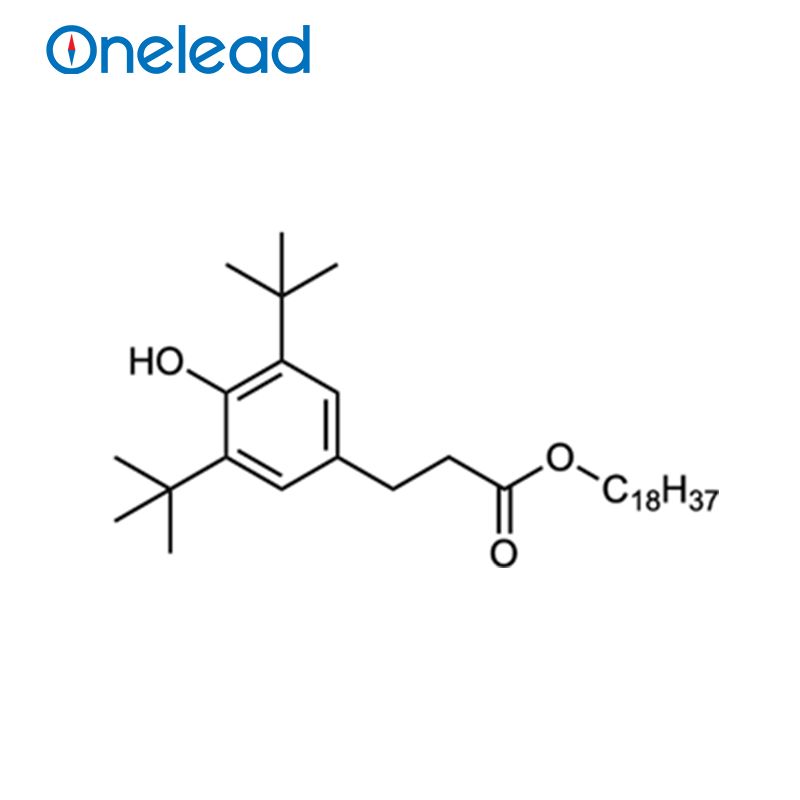
Antioxidants help plastics maintain:
· Strength
· Flexibility
· Color stability
· Surface quality
· Thermal resistance
· Long-term durability
Without proper stabilization, plastics may become brittle, crack, discolor, or fail prematurely.
Plastic degradation mainly occurs due to oxidation. Several environmental and processing factors accelerate this process.
High temperatures during extrusion, molding, or end-use applications can break polymer chains and generate free radicals.
Oxygen reacts with polymer molecules and promotes oxidative chain reactions that weaken plastic materials.
Sunlight exposure accelerates oxidation and causes surface deterioration, fading, and cracking.
Repeated bending, stretching, or impact can create microscopic damage that increases oxidation sensitivity.
Because of these challenges, antioxidant additives are essential for maintaining long-term plastic performance.
Different antioxidants provide different forms of protection. Most polymer stabilization systems combine multiple antioxidant types for maximum efficiency.
Primary antioxidants directly neutralize free radicals before they can continue the oxidation process.
· Excellent long-term thermal stability
· Strong oxidation resistance
· Improved aging performance
· Better mechanical property retention
Hindered phenolic antioxidants are the most common type of primary antioxidant used in plastics.
Secondary antioxidants decompose hydroperoxides formed during oxidation before they generate additional radicals.
· Enhanced processing stability
· Better color protection
· Reduced polymer degradation during manufacturing
Phosphite antioxidants are widely used as secondary stabilizers.
Manufacturers often combine primary and secondary antioxidants to achieve:
· Better thermal stability
· Improved processing performance
· Extended product lifespan
· Superior color retention
This synergistic approach is common in advanced polymer formulations.
Antioxidant additives improve plastic durability in several important ways.
Oxidation can break long polymer chains into smaller fragments, reducing strength and flexibility.
Antioxidants stop these reactions and help preserve the molecular structure of plastics.
Over time, oxidation causes plastics to become brittle and weak. Antioxidant additives help maintain:
· Impact resistance
· Tensile strength
· Elasticity
· Flexibility
This is especially important for automotive, industrial, and construction applications.
Plastic products often operate in high-temperature environments. Antioxidants protect polymers from heat-induced degradation and improve long-term thermal performance.
Oxidation can cause yellowing or surface defects in plastic products. Antioxidants help maintain appearance and color consistency during processing and long-term use.
Recycled plastics are more vulnerable to oxidation because they undergo repeated heat exposure during reprocessing.
Antioxidant additives help restore stability and improve the performance of recycled polymers.
Many industries depend on antioxidant technology to improve product durability and reliability.
Automotive plastics must withstand:
· High temperatures
· UV exposure
· Mechanical stress
· Long service life
Antioxidants help maintain performance in dashboards, bumpers, wiring systems, and interior components.
Packaging materials require strong oxidation resistance to preserve flexibility, transparency, and durability.
Antioxidants are commonly used in:
· Food packaging films
· Bottles
· Flexible packaging
· Containers
Construction plastics face harsh outdoor environments and long-term weather exposure.
Antioxidants improve the durability of:
· Pipes
· Insulation materials
· Roofing membranes
· Window profiles
Electronic components generate heat during operation. Antioxidants help stabilize plastic housings, connectors, and cable insulation materials.
Selecting the right antioxidant system depends on several key factors.
Different polymers require different stabilization strategies. Common materials include:
· Polyethylene (PE)
· Polypropylene (PP)
· ABS
· PVC
· Engineering plastics
High-temperature manufacturing processes often require stronger stabilization systems.
Products designed for long-term use need higher oxidation resistance and thermal stability.
Outdoor products require protection against:
· UV radiation
· Moisture
· Oxygen
· Heat cycling
Proper antioxidant selection helps ensure reliable long-term performance.
As industries focus more on sustainability and recycling, antioxidant additives continue evolving.
Modern antioxidant systems are designed to support:
· Recyclable plastics
· Low-emission materials
· Improved environmental safety
· Longer-lasting polymer products
Advanced formulations also help manufacturers reduce material waste and improve product reliability.
Companies like Onelead continue developing innovative antioxidant solutions that support modern polymer manufacturing and help extend the service life of plastic products across multiple industries.
Antioxidant additives are essential for protecting plastics from oxidative degradation and extending product lifespan. By preventing polymer breakdown, maintaining mechanical properties, and improving thermal stability, these additives help plastics perform reliably in demanding environments.
Primary antioxidants neutralize free radicals, while secondary antioxidants improve processing stability and hydroperoxide decomposition. Together, they create highly effective stabilization systems that enhance durability, appearance, and long-term performance.
As plastic applications continue expanding across industries, antioxidant additives will remain a critical component in improving polymer quality, sustainability, and service life.
Copyright:@2020-2021

Comments Please sign in or sign up to post.
0
0 of 500 characters used