
Polymer degradation is a major challenge in plastic manufacturing. High processing temperatures, oxygen exposure, mechanical stress, and repeated recycling cycles can accelerate oxidation, resulting in reduced product quality and shorter service life.
To address these challenges, manufacturers often rely on synergistic antioxidant systems rather than a single additive. Among the most effective solutions are phosphite antioxidants, which work alongside primary antioxidants to provide comprehensive protection throughout the polymer lifecycle.
Understanding how phosphite antioxidants complement primary antioxidants can help formulators optimize processing performance, improve product durability, and reduce overall production costs. As a trusted supplier of polymer additives, Onelead offers advanced antioxidant solutions tailored to diverse industrial applications.
Before exploring the role of phosphite antioxidants, it is important to understand how oxidation occurs in polymers.
During processing and end-use exposure, polymers are subjected to factors such as:
· High temperatures
· Oxygen
· Mechanical stress
· Ultraviolet radiation
· Reprocessing and recycling
These conditions initiate a chain reaction involving free radicals and hydroperoxides.
The oxidation process generally follows three stages:
Heat or stress causes polymer chains to break, generating free radicals.
Free radicals react with oxygen to form hydroperoxides and additional radicals, accelerating degradation.
Antioxidants interrupt the oxidation cycle and stabilize the material.
Without proper antioxidant protection, polymers may experience:
· Yellowing and discoloration
· Loss of mechanical properties
· Reduced impact resistance
· Melt flow instability
· Surface cracking
· Shortened service life
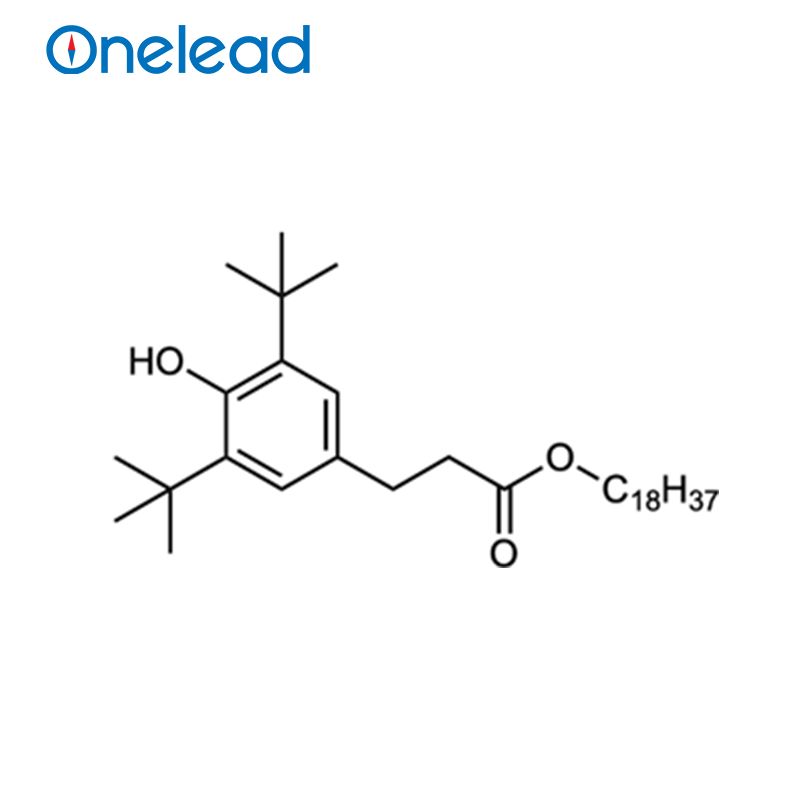
Phosphite antioxidants belong to the category of secondary antioxidants.
Unlike primary antioxidants, they do not directly neutralize free radicals. Instead, they decompose hydroperoxides into stable, non-reactive compounds before additional radicals can form.
This mechanism helps prevent the propagation stage of oxidation.
Hydroperoxides are unstable intermediates generated during polymer processing.
If left untreated, they decompose into highly reactive radicals that accelerate degradation.
Phosphite antioxidants react with hydroperoxides and convert them into harmless alcohols or other stable compounds.
As a result, they:
· Reduce oxidative damage during processing
· Improve thermal stability
· Minimize polymer chain scission
· Preserve material properties
Primary antioxidants, also known as chain-breaking antioxidants, directly neutralize free radicals.
They stop oxidation by donating hydrogen atoms to unstable radicals, preventing further chain reactions.
Typical primary antioxidants include:
· Hindered phenolic antioxidants
· Aromatic amine antioxidants
Among these, hindered phenols are widely used in plastics because of their excellent long-term thermal stability and broad compatibility.
Primary antioxidants help:
· Protect polymers during service life
· Maintain mechanical strength
· Improve color stability
· Extend product lifespan
However, primary antioxidants alone cannot efficiently eliminate hydroperoxides generated during high-temperature processing.
The most effective antioxidant systems combine primary and secondary antioxidants because they target different stages of the oxidation process.
Phosphite antioxidants decompose hydroperoxides before they generate new radicals.
Primary antioxidants neutralize the free radicals that already exist.
Together, they create a comprehensive stabilization system that delivers superior protection.
Using phosphite antioxidants with primary antioxidants offers several advantages:
· Improved processing stability
· Enhanced long-term thermal resistance
· Better color retention
· Reduced melt flow changes
· Lower additive consumption
· Extended product service life
This synergistic effect often allows manufacturers to achieve better results at lower overall dosage levels.
Phosphite antioxidants are widely used across various polymer applications.
Polyethylene and polypropylene formulations depend on balanced antioxidant systems to maintain processing stability and long-term performance.
Materials such as polyamide, polycarbonate, and PBT require protection against heat-induced degradation.
Reprocessing exposes polymers to repeated thermal stress, making phosphite antioxidants essential for preserving material quality.
These applications require excellent thermal stability and long-term insulation performance.
Phosphite antioxidants help maintain appearance, flexibility, and functionality.
Choosing the right antioxidant package requires careful evaluation of multiple factors.
Different polymers exhibit unique degradation behaviors and stabilization needs.
Temperature, residence time, and shear stress significantly influence antioxidant performance.
Outdoor exposure, chemical resistance, and product lifespan should guide formulation decisions.
Applications involving food packaging, medical products, or consumer goods may require specific approvals.
Collaborating with an experienced supplier can simplify the selection process and improve formulation efficiency.
As a reliable provider of advanced polymer additives, Onelead offers a comprehensive portfolio of phosphite antioxidants and primary antioxidants designed to maximize synergistic performance.
Our advantages include:
· High-quality, consistent products
· Customized formulation support
· Technical application expertise
· Global supply capabilities
· Regulatory compliance assistance
· Reliable customer service
Whether you need a standalone antioxidant or a complete stabilization package, Onelead helps optimize polymer performance across a wide range of applications.
Phosphite antioxidants play a critical role in modern polymer stabilization by decomposing hydroperoxides and improving processing stability.
While primary antioxidants neutralize free radicals, phosphite antioxidants prevent new radicals from forming. Together, they create a powerful synergistic effect that enhances thermal stability, preserves material properties, and extends product lifespan.
For manufacturers seeking reliable and efficient antioxidant solutions, partnering with Onelead ensures access to the expertise and products needed to develop high-performance formulations for demanding applications.
Copyright:@2020-2021

Comments Please sign in or sign up to post.
0
0 of 500 characters used