
A Power Distribution Busway is a system of electrical conductors that conducts electricity and distributes power effectively within commercial and industrial settings. It allows flexibility and efficiency in power management.
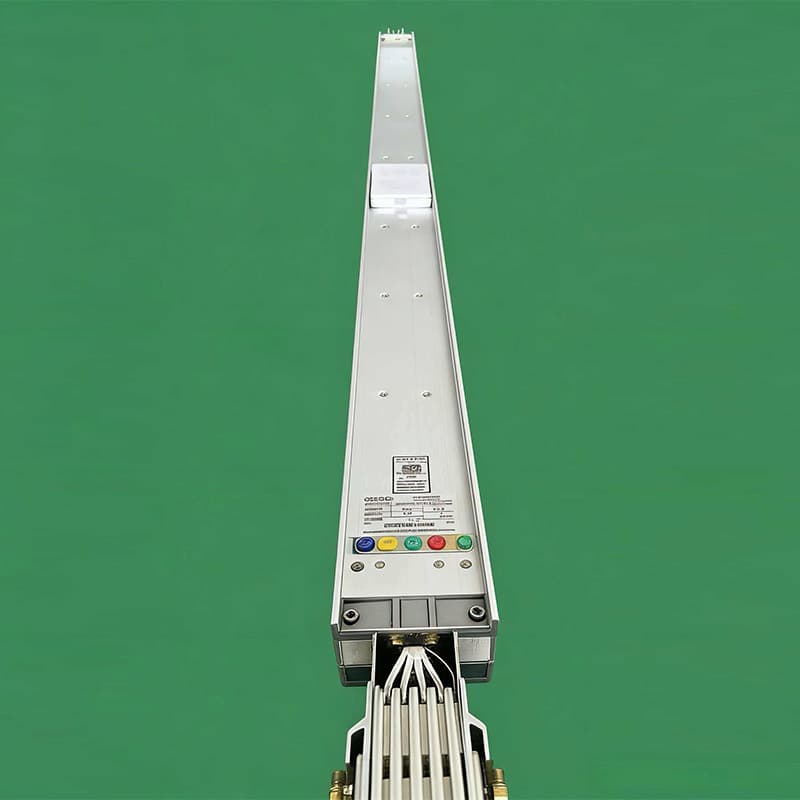
Modular design for ease of installation and future expansions.
Improved safety compared to traditional wiring methods.
Reduced installation and labor costs.
Enhanced reliability and energy efficiency.
Start by assessing the total power demand of your project to determine the necessary busway capacity. Gather data by following these steps:
List all electrical equipment and their associated power ratings.
Calculate the total wattage required to determine the kVA rating.
Factor in the demand load (adding a buffer for future upgrades).
Identify the acceptable voltage levels for your equipment and evaluate the maximum current it can handle. This information is crucial for selecting a compatible busway.
Feeder Busway: Distributes power to different parts of the facility.
Plug-in Busway: Allows for easy connections to various loads.
Light Rail Busway: Suitable for lower power requirements, typically used in commercial applications.
Evaluate the installation environment such as temperature, humidity, and potential exposure to corrosive elements. Choose a busway that is rated for those specific conditions.
Current rating (A)
Voltage class (V)
Short-circuit rating (kA)
Dimensions and weight
Ensure that the busway system complies with relevant electrical codes and standards, such as NEC or IEC, for safety and performance assurance.
Screwdriver set
Pliers
Voltage tester
torque wrench
Read all installation guidelines from the manufacturer.
Prepare the installation site by ensuring that all electrical connections are within reach.
Secure mounting brackets and attach busway sections as per layout designs.
Connect respective cables while ensuring alignment with electrical codes.
Test all connections using a voltage tester before powering the system.
Underestimating power requirements, leading to overload.
Ignoring environmental factors impacting busway performance.
Not adhering to installation guidelines or practices.
Regular maintenance checks are critical for ensuring the longevity and efficiency of the busway installation. Schedule periodic inspections and cleaning to prevent issues from arising.
Choosing the right power distribution busway is crucial for the success of your project. By following the guidance provided and avoiding common pitfalls, you can ensure a reliable and efficient power distribution system. For high-quality power distribution solutions, consider partnering with Yongjin.
Previous: None.
Copyright:@2020-2021

Comments Please sign in or sign up to post.
0
0 of 500 characters used