
Choosing the right Industrial Power Cables is crucial in ensuring that your factory runs efficiently, safely, and sustainably. Many factory owners face challenges such as voltage drops, inadequate power supply, overheating, and cable failures that can lead to production downtime. Understanding the factors behind these issues can help you select cables that meet rigorous industry standards. This article aims to address these pain points and offer solutions tailored to your factory's needs, focusing on quality, compatibility, and durability.
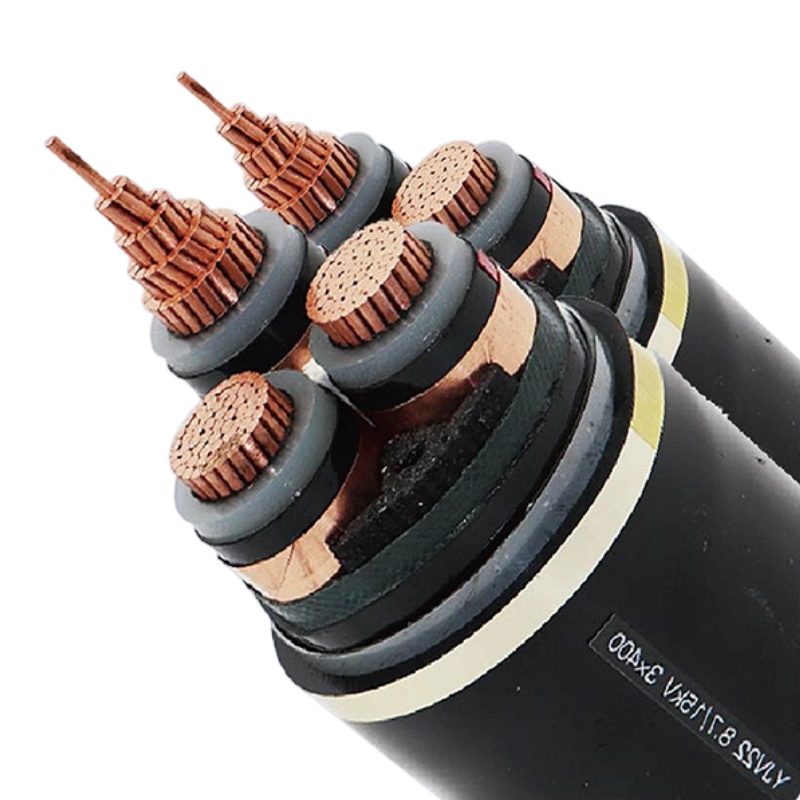
Before diving into the selection process, here are the key prerequisites and materials necessary for making an informed decision on Industrial Power Cables:
Identify Power Requirements: Determine the amperage, voltage, and phase type required for your equipment. For example, a common requirement for heavy machines is a 3-phase supply of 400V.
Understand Environmental Conditions: Assess whether cables will be used indoors, outdoors, in wet environments, or exposed to chemicals. Different insulation materials, such as PVC or rubber, are suited for various conditions.
Gather Testing Standards: Familiarize yourself with local and international standards such as IEC 60502-1 for medium voltage cables to ensure compliance and safety.
Explore Quality Brands: Research reputable manufacturers like Biaobang, known for their robust and reliable cable products.
Follow these clear, actionable steps to select the right Industrial Power Cables for your factory:
Step 1: Assess Your Equipment Needs: Create a list of machinery requiring power supply. For instance, if you have three machines using 25A each on a three-phase system, your total current requirement would be 75A.
Step 2: Decide on Cable Type: Choose between Low Voltage (LV), Medium Voltage (MV), or High Voltage (HV) cables based on your factory setup. For most factories, MV cables rated between 1kV to 36kV are appropriate.
Step 3: Calculate Voltage Drop: Use the formula Voltage Drop (V) = (Length (m) × Load (A) × 2 × mV/A/m) / 1000. Limit voltage drop to within 3% to ensure efficiency; for a 400V system, you want to keep drop below 12V.
Step 4: Consider Cable Size: Use cross-sectional area calculators or tables to determine the appropriate size. For example, for an installation of 60A at 30m length, a 16mm² copper cable is often adequate.
Step 5: Select Insulation Material: Based on ambient conditions, choose between XLPE (cross-linked polyethylene) for high-stability needs or PVC for average use. Biaobang offers cables with high-quality insulation options for diverse environments.
Step 6: Verify Manufacturer Compliance: Check for certifications like ISO 9001 for quality management systems, ensuring reliability and testing standards adherence.
Step 7: Review Costs: Compare prices from multiple suppliers while considering the long-term costs. Investing in higher-quality cables may reduce maintenance costs significantly over time.
When selecting Industrial Power Cables, factory owners often encounter a few common mistakes:
Ignoring Load Calculations: Many users fail to calculate the total load accurately, leading to under-sizing. Always sum up the amperage of all connected devices.
Inadequate Attention to Environmental Conditions: Using cables not rated for high humidity or chemical exposure can cause premature failure. Ensure you select them based on the environment.
Not Considering Future Expansion: Factories may underestimate future power needs, leading to costly rewiring later. Always plan for at least a 20% capacity increase.
Selecting the right Industrial Power Cables is a critical task that significantly affects your factory's operation. The process involves thorough assessment of power requirements, environmental conditions, voltage drop calculations, and choosing the appropriate size and material. By following the step-by-step guidance provided and avoiding common pitfalls, you can make informed decisions. Brands like Biaobang offer quality cables that meet high standards and ensure safety. With diligent planning and selection, not only can you minimize the risks of downtime and costly repairs, but you can also optimize your production efficiency.
Previous: None.
Next: Global USB-IF Standard Changes and Their Influence on Connector Suppliers
Copyright:@2020-2021

Comments Please sign in or sign up to post.
0
0 of 500 characters used