
When working with Reinforcing Concrete Mesh, it is crucial to follow best practices to streamline operations and ensure safety. Whether you are a distributor or overseas buyer, understanding proper handling techniques can help mitigate damage and enhance productivity. This article delves into effective strategies, optimization techniques, and necessary precautions regarding reinforcing mesh to enhance your handling processes.
Reinforcing mesh is composed of various materials, primarily steel, which adds strength to concrete structures. Knowing these components is essential for safe handling.
The most common types of steel used in reinforcing mesh include:
Low Carbon Steel
Epoxy-Coated Steel
Stainless Steel
Preparation before handling is vital to avoid injuries and damages.
Ensure that the worksite is clear, well-lit, and organized. Remove any obstacles that might hinder movement.
Wearing appropriate PPE like gloves, steel-toed boots, and eye protection safeguards workers during handling.
Employing correct techniques is essential to prevent accidents and prolong the longevity of reinforcing mesh.
Always use two or more people when lifting large sheets of mesh to prevent back injuries.
If available, utilize forklifts or pallet jacks to transport heavy loads efficiently.
Proper storage of reinforcing mesh can prevent deterioration and ensure its effectiveness.
Maintaining mesh indoors minimizes exposure to elements that can cause rust or corrosion.
Store sheets flat and ensure they are properly staggered to avoid bending and deformation.
Transporting reinforcing mesh requires precaution to ensure it arrives undamaged.
Use proper securing methods, such as straps or nets, to prevent shifting during transit.
Select vehicles with adequate space and load capacity to prevent overcrowding.
Regular inspections can help identify issues before they become problematic.
Examine each sheet for damages or defects to ensure they meet the required specifications.
Maintain records of all the mesh you handle to identify trends in quality.
Training staff on best practices can significantly reduce accidents and improve efficacy.
Conduct sessions on handling techniques, safety protocols, and equipment use.
Stay updated on relevant safety regulations and ensure all employees adhere to them.
Addressing environmental factors promotes sustainability and safety.
Explore recycling opportunities for damaged or unused mesh to minimize waste.
Implementing effective waste disposal methods ensures environmental compliance.
| Handling Aspect | Best Practice |
|---|---|
| Preparation | Clear worksite and wear PPE |
| Technique | Use team lifting or machinery |
| Storage | Store indoors and stack properly |
| Transportation | Secure loads and use proper vehicles |
| Quality Control | Conduct inspections regularly |
| Training | Regular staff training and compliance adherence |
| Environment | Implement recycling and waste management |
Following these best practices for reinforcing mesh handling not only ensures safety and efficiency but also enhances the quality of the overall construction process. By implementing these techniques, distributors and overseas buyers can expect superior handling outcomes and maintain the integrity of their products.
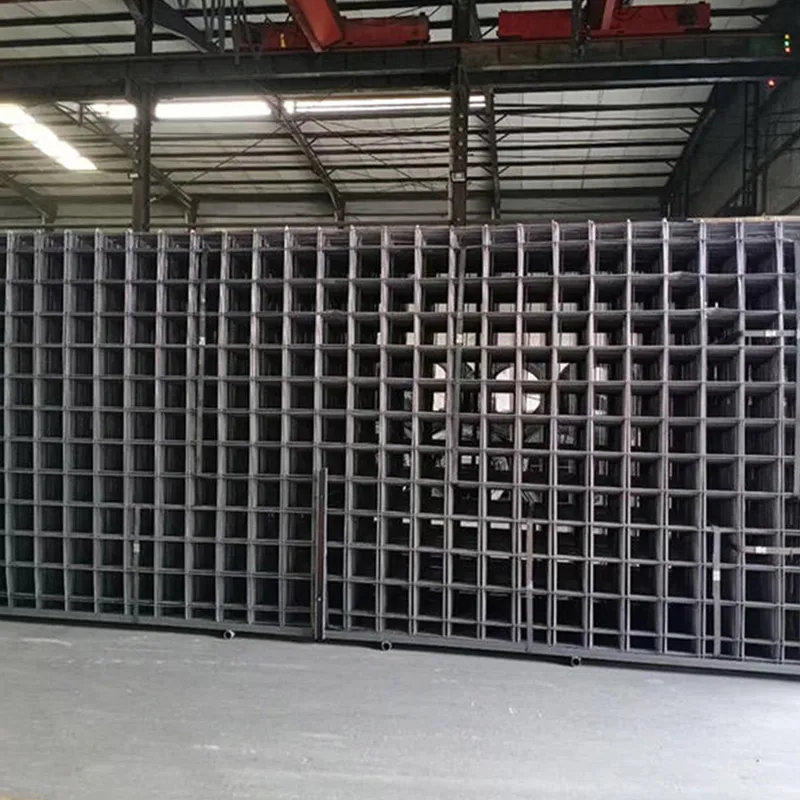
© HONGTAI, dedicated to providing high-quality reinforcing concrete mesh and best handling practices.
Previous: Reinforcing Mesh Packaging Solutions For Export
Next: Dustproof Cable Glands for Cement and Mining Equipment
Copyright:@2020-2021

Comments Please sign in or sign up to post.
0
0 of 500 characters used