
Compressed air systems are essential in numerous industries, yet many operators experience significant challenges with air leakage, which can lead to inefficiency and increased costs. According to the U.S. Department of Energy, compressed air leaks can waste as much as 30% of the total air generated. This inefficiency indicates the urgent need for effective solutions. In this article, we will explore how Aluminum Air Pipe Fittings can serve as a reliable remedy for compressed air leakage issues. By understanding user pain points and providing actionable solutions, you can optimize your compressed air systems efficiently using Trust Fluids products.
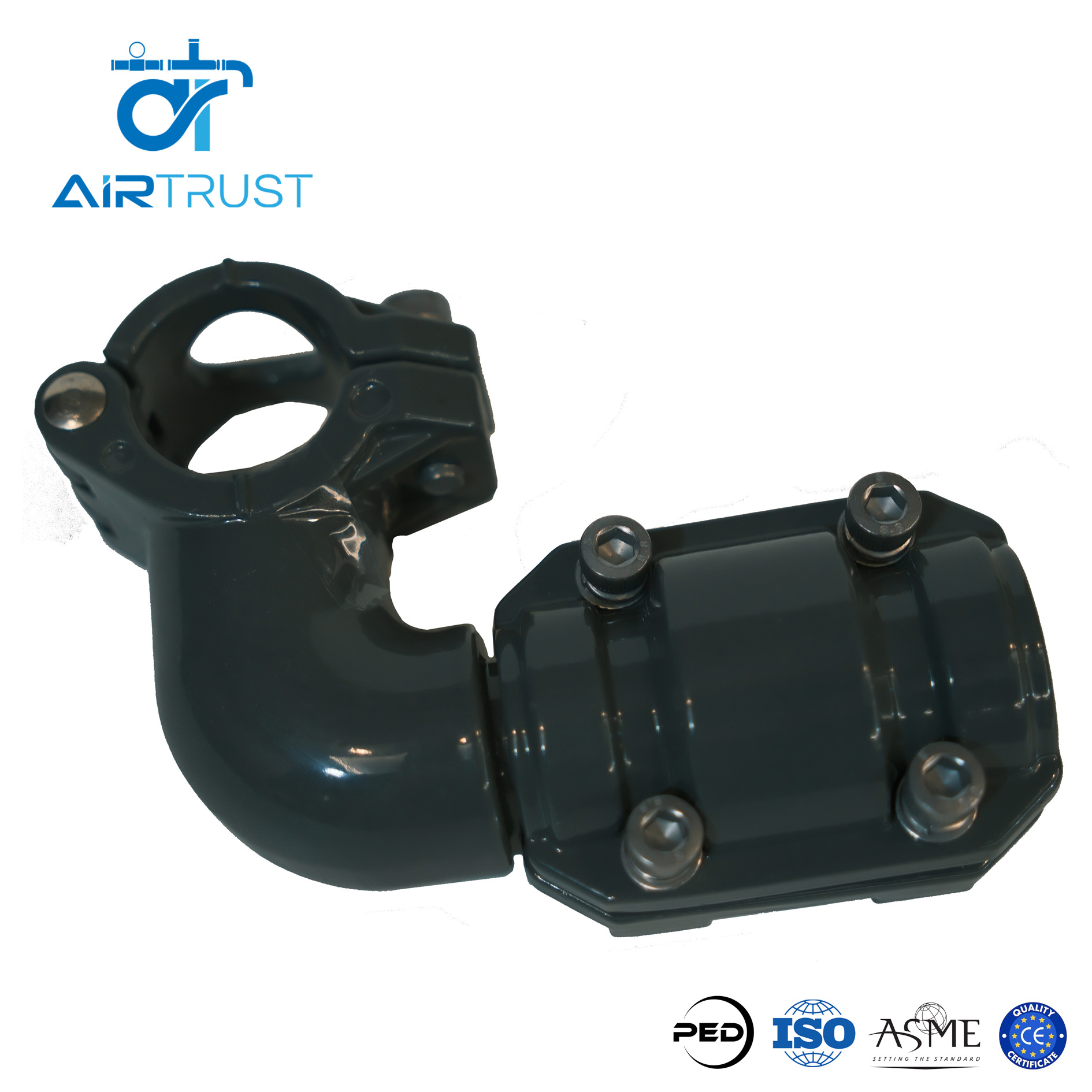
Many users struggle with air leaks that result in operational inefficiencies, prolonged downtime, and inflated utility bills. Common scenarios include:
Poor System Design: Poor planning often leads to unnecessary bends and joints in the piping system, contributing to leaks.
Material Fatigue: Traditional pipe fittings made from inferior materials can wear down and fail, leading to increased air loss.
Inadequate Maintenance: A lack of regular inspections and maintenance can allow small leaks to go unnoticed, compounding financial losses.
Understanding these pain points, aluminum air pipe fittings by Trust Fluids provide superior strength and durability that help mitigate such issues.
Before addressing compressed air leakage with aluminum air pipe fittings, you'll need:
Tools: Basic hand tools including wrenches, pliers, and screwdrivers.
Materials: Aluminum air pipe fittings, PTFE tape for sealing, and additional aluminum piping as needed.
Safety Equipment: Gloves and safety goggles to ensure safe handling during installation.
Follow this clear and actionable guide to effectively reduce compressed air leakage:
Step 1: Identify Leaks
Use soapy water or ultrasonic leak detection equipment to identify leak locations in your current compressed air system.
Step 2: Gather Materials
Ensure all tools and aluminum fittings are on hand to facilitate a smooth installation process.
Step 3: Cut Existing Pipe
Use a pipe cutter to carefully remove sections of existing pipes where leaks have been identified.
Step 4: Prepare the New Fittings
Wrap PTFE tape around the threaded ends of each aluminum fitting to ensure a tight seal and prevent future leaks.
Step 5: Install New Fittings
Attach the new aluminum fittings using your hand tools. Ensure each fitting is tightly secured to prevent air loss.
Step 6: Test the System
Repressurize the system and check each connection for air leaks using the soapy water method again.
While installing aluminum air pipe fittings can significantly reduce leakage, common errors can still occur:
Insufficient Sealing: Ensure PTFE tape is wrapped adequately around threaded joints to create an airtight seal.
Over-tightening Fittings: Applying too much force may crack the fittings. Follow manufacturer guidelines for torque specifications.
Incorrect Installation Orientation: Double-check that fittings are installed in the correct orientation to ensure optimal airflow.
Implementing aluminum air pipe fittings is a proven solution for reducing compressed air leakage, with potential savings of up to 30% in air loss when installed correctly. Users like ACME Manufacturing have reported reducing their annual utility costs by as much as $10,000 after replacing faulty fittings with aluminum alternatives. For optimal results, always prioritize regular inspections and maintenance of your compressed air systems. Trust Fluids solutions are dependable, efficient, and tailored for various industrial applications. By following the preparation and installation steps outlined above, users can effectively mitigate air leakage and enjoy increased operational efficiency.
Previous: None.
Next: Wall Thickness and Schedule Standards for Seamless Carbon Steel Pipes in Industrial Use
Copyright:@2020-2021

Comments Please sign in or sign up to post.
0
0 of 500 characters used