
A CNC ultrasonic cleaning machine is a sophisticated industrial device designed for precision cleaning using ultrasonic technology. It operates by generating high-frequency sound waves that create microscopic bubbles in a cleaning solution, a process known as cavitation. These bubbles implode upon contact with surfaces, effectively removing contaminants such as grease, oil, and particulate matter.CNC ultrasonic cleaners are favored for their ability to clean intricate and hard-to-reach parts without causing damage. They are widely used in industries requiring high cleanliness standards, including automotive, aerospace, electronics manufacturing, and medical device production. The integration of CNC (Computer Numerical Control) allows for programmable cleaning cycles, enhancing efficiency and repeatability.
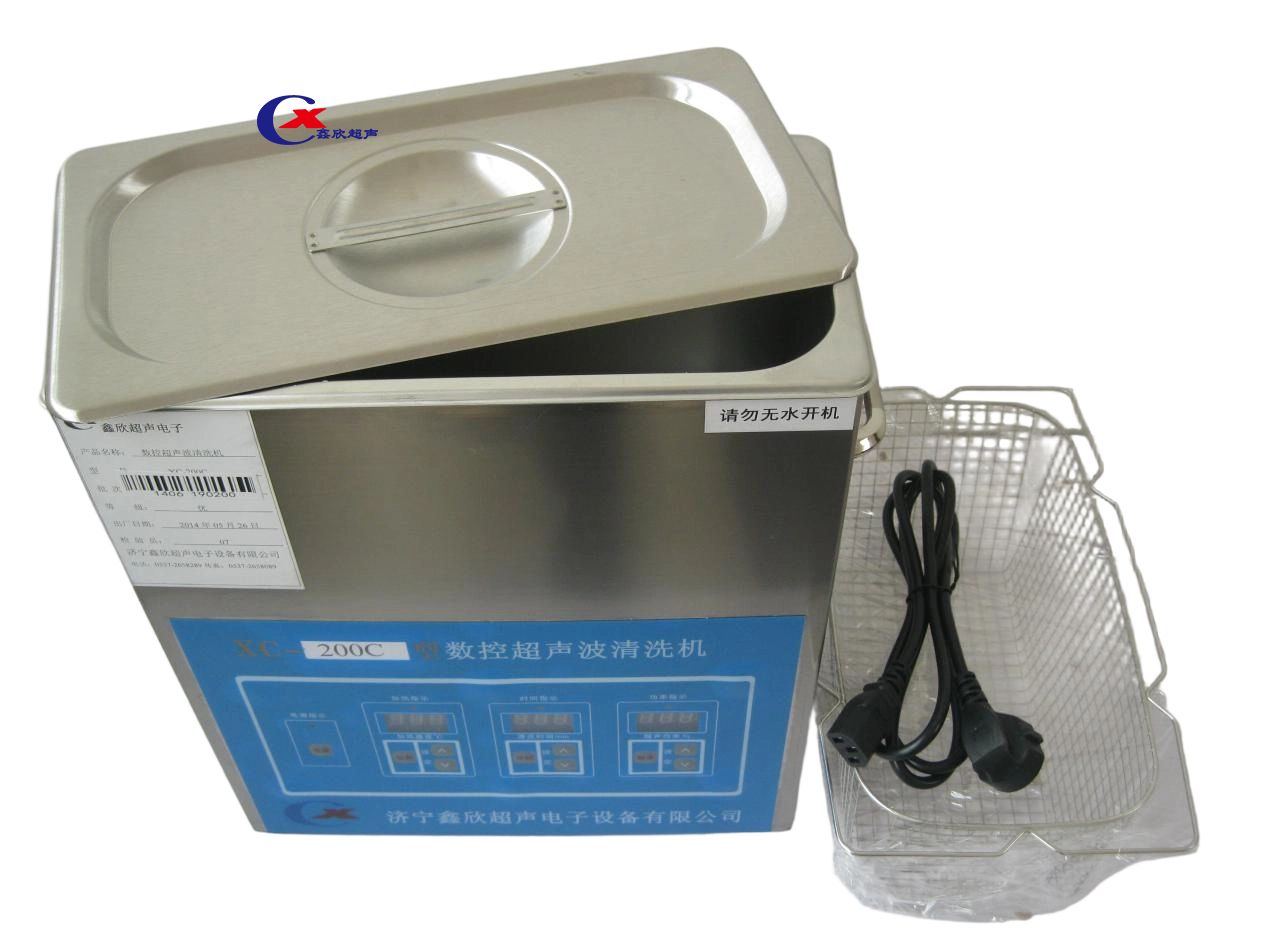
The CNC ultrasonic cleaning machine consists of several key components: a stainless steel tank, ultrasonic transducers, a generator, and a control panel. The transducers convert electrical energy into high-frequency sound waves, typically ranging from 20 kHz to 40 kHz, which propagate through the cleaning solution.
The working principle relies on cavitation, where the sound waves create millions of tiny bubbles in the liquid. These bubbles grow and collapse violently, producing intense localized energy that dislodges contaminants from the surfaces of submerged parts. The CNC system allows users to program cleaning parameters such as time, temperature, and ultrasonic intensity, ensuring consistent results for different applications. Modern CNC ultrasonic cleaning machines offer several advanced features that enhance their performance and usability. These include programmable cleaning cycles, multi-frequency options, and automated part handling systems. The ability to adjust frequency is particularly valuable, as lower frequencies (20-30 kHz) are ideal for heavy-duty cleaning, while higher frequencies (40 kHz and above) are better suited for delicate components.
Energy efficiency is another notable feature, with many models incorporating eco-friendly designs that reduce power and water consumption. Additionally, multi-tank configurations allow for sequential cleaning, rinsing, and drying processes, streamlining operations in high-volume production environments. CNC ultrasonic cleaning machines are utilized across a diverse range of industries. In the automotive sector, they clean engine parts, fuel injectors, and transmission components. The aerospace industry relies on them for maintaining turbine blades and other critical aircraft parts.
Electronics manufacturers use ultrasonic cleaners to remove flux residues from circuit boards and other sensitive components. In the medical field, these machines sterilize surgical instruments and dental tools, ensuring compliance with stringent hygiene standards. Other applications include jewelry cleaning, optical lens maintenance, and laboratory equipment decontamination. Proper maintenance is essential for the longevity and performance of a CNC ultrasonic cleaning machine. Regularly inspect and clean the tank to prevent buildup of contaminants. Replace the cleaning solution as recommended by the manufacturer to maintain effectiveness.
Safety precautions include avoiding flammable solvents, ensuring proper ventilation, and using protective gear when handling chemicals. Always follow the manufacturer's guidelines for operating parameters to prevent damage to the machine or the parts being cleaned. Routine checks of the ultrasonic transducers and generator are also advised to ensure optimal performance.Structure and Working Principle
Key Features
Application Areas
Maintenance and Precautions
For more details please visit www.xinxincleaning.com
Previous: What Makes a Vickers Hardness Tester the Most Versatile Tool for Material Hardness Testing?
Next: CNC Turning vs Custom CNC Lathe Machining: What’s the Difference?
Copyright:@2020-2021

Comments Please sign in or sign up to post.
0
0 of 500 characters used