
low voltage switchgear plays a crucial role in power distribution systems. Proper planning is key to prevent outages and ensure safety. Many facilities struggle with unexpected electrical failures. Issues often stem from poorly designed systems. Understanding low voltage distribution can help avoid these problems. Choosing the right low voltage switchgear, circuit breakers, and transformers is essential for success. Curious how to achieve a reliable setup? Let’s explore effective planning strategies.
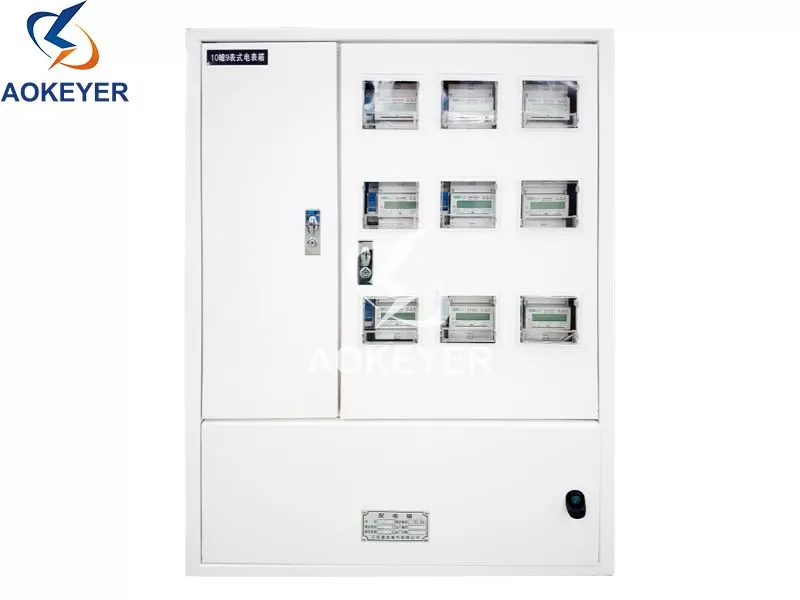
To plan a reliable low voltage power distribution system, start by analyzing the load requirements. Create a clear design that incorporates quality low voltage switchgear and safety features. Always prioritize proper installation and maintenance. This approach ensures efficiency and prolongs equipment lifespan.
Planning is the first step in creating a reliable low voltage distribution system. Here are essential points to consider:
Load Assessment: Determine the power needs of all equipment. This step ensures the system can handle current demands without overloading.
System Design: Create a map of the electrical system. Visualize how everything connects, from substations to end-user devices.
Future Growth: Anticipate changes in your power requirements. Design the system so that it allows for easy upgrades.
According to recent studies, proper planning can reduce electrical failures by 30%. Moreover, facilities that regularly assess their power demands report a significant decrease in maintenance costs. By conducting an annual review, organizations can catch potential issues before they escalate.
The components you select for your low voltage switchgear are vital. These play a key role in ensuring reliability.
Low Voltage Switchgear: Look for switchgear that meets your capacity needs. High-quality models will provide better safety features and operational efficiency.
Circuit Breakers: Selecting appropriate circuit breakers is essential. Use devices that can handle expected fault levels and minimize unnecessary outages.
Transformers: Ensure transformers are appropriately sized and rated for your application. This selection impacts system performance significantly.
| Type | Advantages | Disadvantages |
|---|---|---|
| MCB (Miniature Circuit Breaker) | Easy to reset, compact size | Limited to low-current protection |
| RCCB (Residual Current Circuit Breaker) | Protects against earth faults | No overload protection |
| RCBO (Residual Current Circuit Breaker with Overload Protection) | Combines both protections | More expensive |
In summary, planning a reliable low voltage power distribution system requires careful analysis and selection of components. Understanding load requirements, thorough design, and choosing the right low voltage switchgear are fundamental. Prioritize safety and future growth to ensure the system remains effective.
Previous: Lithium-ion Battery for E-bike: The Complete Guide for Performance, Safety, and Long-Term Value
Copyright:@2020-2021

Comments Please sign in or sign up to post.
0
0 of 500 characters used