
In the realm of adult diaper safety, the terms “TCF” (Totally Chlorine-Free) and “ECF” (Elemental Chlorine-Free) have garnered significant attention among users concerned about chemical exposure. By understanding what these terms mean and how chlorine-free processing impacts safety and comfort, manufacturers can effectively cater to the needs of consumers. With the growing demand for environmentally friendly and safe products, knowing the distinction between TCF and ECF becomes essential for consumers seeking high-quality incontinence products.
Chlorine-free processing refers to the methods used in the manufacturing of products that minimize or eliminate chlorine-related substances. This processing technique plays a pivotal role in the health, safety, and environmental impact associated with adult diapers.
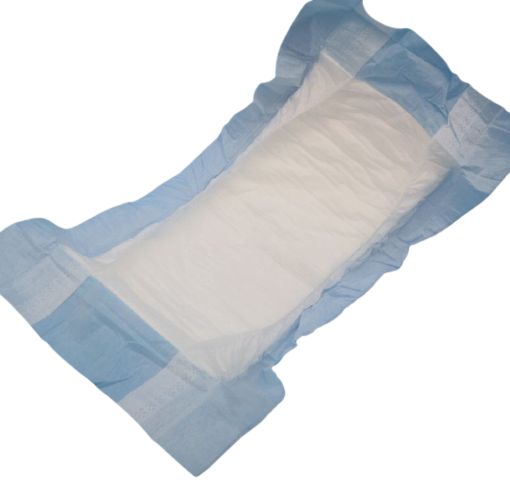
Chlorine-free diapers reduce harmful byproducts that can arise during manufacturing, making them safer for users and the environment.
Both TCF and ECF processing methods are designed to limit chlorine use but have distinct differences that affect product safety and quality.
TCF processing employs methods that eliminate any use of chlorine in the bleaching process, thereby reducing risks associated with harmful dioxin production. These products are often viewed as the safest option for consumers.
ECF processing minimizes but does not completely eliminate chlorine use in the bleaching stage. This method may still result in lower levels of harmful compounds compared to traditional bleaching methods.
Understanding the health implications of these processing methods can help consumers make informed choices regarding adult diapers.
Exposure to chlorine and its byproducts has been linked to various health issues, emphasizing the importance of selecting products processed without harmful chemicals.
Both TCF and ECF offer environmentally friendly alternatives by reducing harmful emissions and waste generated during the manufacturing process.
| Processing Method | Environmental Impact |
|---|---|
| TCF | Lowest emissions of harmful byproducts, eco-friendly |
| ECF | Reduced emissions compared to traditional methods but still present |
When shopping for adult diapers, consider the processing method to ensure safety and comfort. Look for brands that emphasize chlorine-free production.
For the highest safety standards, TCF products are recommended. These products minimize chemical exposure without compromising quality.
Certifications can guide consumers in making informed choices regarding the safety of adult diapers.
Forest Stewardship Council (FSC)
Global Organic Textile Standard (GOTS)
Surveys indicate a growing preference among consumers for chlorine-free products, highlighting the awareness of health and environmental issues.
Recent studies reveal that 75% of consumers prefer TCF products over traditional options due to safety concerns.
The push for sustainability and safety in adult diapers emphasizes the need for ongoing research and development in chlorine-free processing methods.
Continued advancements in processing technologies promise to enhance safety and environmental benefits in adult diaper manufacturing.
Understanding TCF and ECF processing is vital for consumers seeking safe and environmentally friendly adult diapers. Awareness of these terms aids in making informed purchasing decisions, ensuring that safety and quality are prioritized. As manufacturers like Duronma strive to meet these needs through chlorine-free production, consumers can feel more confident in their choices.
Previous: Biotin Price Trend Q2 2026: Price Trends, Forecast, Chart, Prices & Index
Next: None.
Copyright:@2020-2021

Comments Please sign in or sign up to post.
0
0 of 500 characters used