
Car dent puller machines are essential tools in modern garages. They efficiently repair dents and dings without damaging the vehicle's paint. These energy-efficient machines also reduce electricity costs, making them a smart choice for garage owners. Furthermore, they contribute to a more sustainable environment by minimizing energy consumption. However, selecting the right machine can be challenging due to the variety of models available. This article explores the benefits, types, and features of energy-efficient dent puller machines.
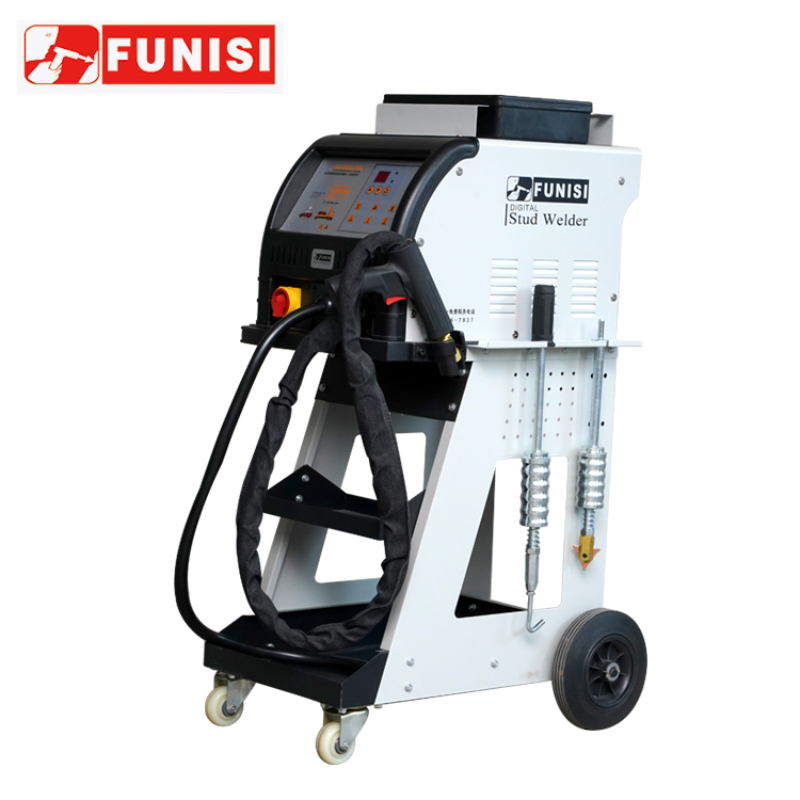
Energy-efficient dent puller machines are designed to quickly and effectively remove dents while saving energy and lowering costs. These machines are ideal for modern garages due to their efficiency and sustainability benefits.
Hot glue dent pullers use adhesive to pull out dents effectively. They work great on shallow dents and do not require any complicated setup.
Electric dent pullers save time and energy. They often come with adjustable power settings, allowing users to customize their approach based on the dent size.
Pneumatic dent pullers use compressed air. They are powerful and often found in professional garages. They offer quick results but may require a source of compressed air.
Energy-efficient models significantly reduce energy consumption. This leads to lower electric bills, making them more cost-effective in the long run.
Using less energy contributes to a smaller carbon footprint. Choosing eco-friendly options supports sustainable practices in the automotive repair industry.
Advanced technology in energy-efficient dent pullers often results in better repair quality. They minimize the risk of paint damage and can restore vehicles to their original condition.
Look for machines with adjustable power settings. This feature allows users to adapt the machine's strength based on the dent type.
A lightweight design improves portability, making it easier to maneuver the machine in tight spaces.
Investing in a durable machine with a warranty ensures long-term use and protection against defects.
| Machine Type | Power Source | Average Price | Noise Level |
|---|---|---|---|
| Hot Glue Dent Puller | Manual | $50 - $100 | Low |
| Electric Dent Puller | Electric | $150 - $300 | Medium |
| Pneumatic Dent Puller | Compressed Air | $200 - $500 | High |
Assess the Damage: Identify the size and depth of the dent.
Choose the Right Tool: Select a suitable dent puller based on the damage type.
Prepare the Area: Clean the area around the dent to ensure proper adhesion.
Apply the Pulling Device: Follow the manufacturer's instructions for applying the tool.
Remove the Device: Once the dent is pulled out, carefully remove the device and clean up any residue.
Energy-efficient dent puller machines are essential for modern garages. They provide effective dent removal while being cost-efficient and environmentally friendly. Investing in the right machine can save time, reduce energy costs, and improve repair quality. Choose the best dent puller that meets your garage's needs for a sustainable and efficient automotive repair process.
If you would like more information about this product, please feel free to contact us. Recommend other popular products for you.: Car Dent Puller Machine
A: When choosing an energy-efficient dent puller, consider machines with adjustable power settings, lightweight design for portability, and durability backed by a warranty to ensure long-term use.
A: These machines reduce energy consumption, leading to lower electricity bills, and their advanced technology often results in better repair quality, minimizing the need for rework and associated costs.
A: Electric dent pullers are designed to save time and energy, often featuring adjustable power settings to customize the approach based on dent size. They are suitable for various dent types and are a popular choice in modern garages.
A: Pneumatic dent pullers typically range from $200 to $500. Factors influencing their cost include brand reputation, additional features, and the quality of materials used in construction.
A: By consuming less energy, these machines contribute to a smaller carbon footprint, supporting eco-friendly practices and promoting sustainability within the automotive repair sector.
Copyright:@2020-2021

Comments Please sign in or sign up to post.
0
0 of 500 characters used