
Industrial Anti Corrosion Coating is a protective layer applied to metal or other vulnerable substrates to slow rust, oxidation, chemical attack, and environmental wear in service. In practical terms, it reduces direct contact between the substrate and moisture, oxygen, salts, acids, alkalis, and industrial contaminants, which helps extend asset life and lower unplanned maintenance. In this guide, we explain What Is Industrial Anti Corrosion Coating?, how it works, where it is used, and how to choose a system based on exposure severity, substrate, and process constraints.
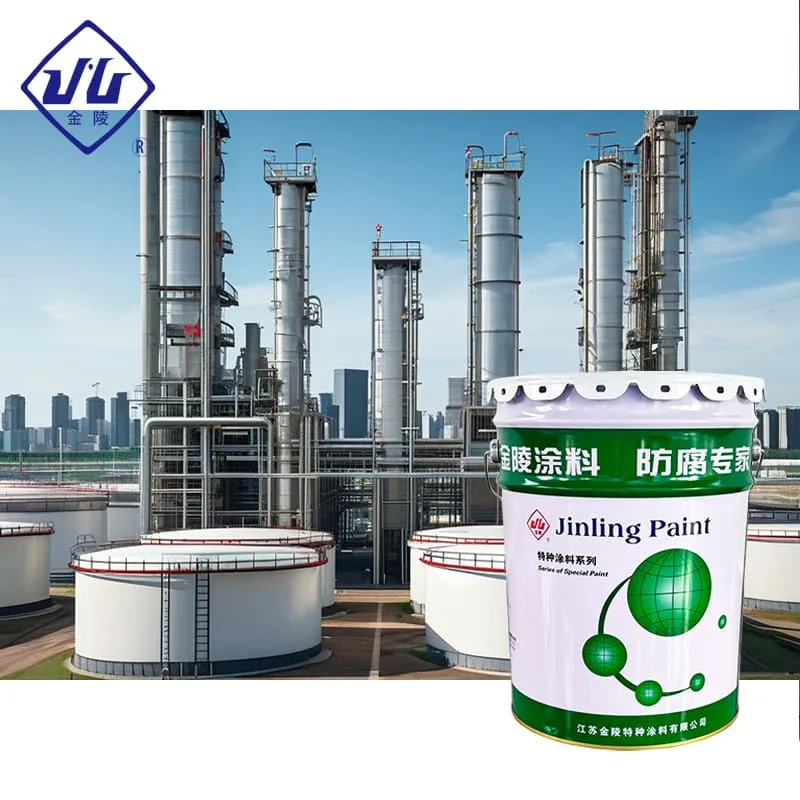
Industrial anti corrosion coating refers to a coating system designed for corrosion protection for steel, process equipment, tanks, pipelines, structural members, and machinery exposed to industrial environments. Unlike decorative finishes, it is specified for measurable resistance to water ingress, salt spray, chemical exposure, impact, and abrasion. In many projects, the coating system is selected as part of a lifecycle plan rather than a one-time surface finish.
For buyers evaluating What Is Industrial Anti Corrosion Coating?, the key question is not only “what is it,” but “what failure mode is it trying to prevent.” The answer is usually one or more of the following: rust initiation, underfilm corrosion, coating blistering, chemical softening, edge breakdown, and premature recoating. Jinling-type industrial coating portfolios are typically positioned around these performance targets, especially for heavy-duty metal assets in marine, chemical, and manufacturing settings.
Corrosion is not just a cosmetic issue. Once steel loses section thickness, the cost impact includes inspection labor, production stoppage, emergency repair, and in some cases safety-related downtime. Industry maintenance studies commonly show that corrosion-related costs can exceed the original coating cost many times over across a full asset life, which is why coating choice should be tied to total cost of ownership, not only initial material price.
The business case is strongest where assets face persistent moisture, salt, or process chemicals. For example, atmospheric steel in a mild indoor environment may need a simpler system, while offshore structures, wastewater equipment, and chemical processing areas often require multi-layer industrial protective coating systems. This is where a supplier such as Jinling becomes relevant, because buyers usually need a coating plan matched to environment severity, not a single paint recommendation.
Industrial anti corrosion coating works through four basic mechanisms: barrier protection, adhesion, chemical resistance, and sometimes sacrificial or inhibitive action. Barrier coatings create a film that slows the movement of water, oxygen, and corrosive ions toward the metal surface. Inhibitive pigments or metallic zinc-rich layers can further reduce corrosion by slowing electrochemical reactions at the substrate.
A coating system rarely works as a single layer in serious industrial service. A typical structure may include primer, intermediate build coat, and topcoat, each with a defined function such as adhesion, film thickness, UV stability, or chemical resistance. In practice, the system performance depends as much on surface preparation, film thickness, curing conditions, and edge coverage as on the resin chemistry itself.
Surface preparation for coatings is one of the most important control points in corrosion protection. If oil, mill scale, rust, salt, or dust remain on the surface, the coating film may lose adhesion or develop early underfilm corrosion. Common project specifications may call for abrasive blasting to a quantified cleanliness level, such as near-white metal standards, plus profile control to support mechanical anchoring.
Preparation quality directly affects coating life. A well-formulated epoxy can still fail early if applied over contaminated steel, while a moderate system can perform acceptably when the substrate is cleaned, profiled, and coated within the specified recoat window. For buyers, this means application discipline is part of product performance, not a separate issue.
Rust prevention is mainly about blocking the corrosion cell. Water acts as the electrolyte, oxygen supports oxidation, and salts such as chlorides accelerate the reaction. A properly selected corrosion resistant coating slows each part of that chain by limiting permeability and improving adhesion at the interface.
In severe environments, the coating may also need chemical resistance and abrasion resistance. That is why many plants specify epoxy coating for industrial equipment first, then add polyurethane or fluorinated top layers where UV exposure, cleaning chemicals, or handling wear are present. The actual design depends on exposure class, cleaning method, temperature range, and planned maintenance interval.
Different coating chemistries solve different exposure problems. There is no single best system for every asset, which is why industrial anti corrosion coating comparison should always be tied to environment, substrate, and process conditions. Below is a practical overview of common types and where they are usually used.
| Coating Type | Typical Strength | Common Use Context | Main Limitation |
|---|---|---|---|
| Epoxy coating | Chemical resistance, adhesion, film build | Tanks, floors, steel equipment, pipelines | UV chalking in exterior exposure |
| Zinc-rich primer | Cathodic protection for steel | Structural steel, offshore assets, bridges | Needs compatible topcoat for long exposure |
| Polyurethane topcoat | UV and weather resistance | Exterior steel, machinery, marine systems | Lower chemical resistance than some epoxies |
| Polyaspartic coating | Fast cure and abrasion resistance | Plant floors, maintenance shutdown work | Higher cost in some projects |
| Vinyl ester / specialty lining | Strong chemical resistance | Chemical tanks, process vessels | Application control is more demanding |
Epoxy systems are widely used for industrial anti-corrosion coating because they combine adhesion, chemical resistance, and build thickness in a way that fits many industrial assets. Zinc-rich systems are more common when the priority is corrosion control for steel in aggressive outdoor or marine exposure. For projects involving frequent washdown, solvent contact, or immersion, lining-grade systems may be more appropriate than general-purpose paint.
A practical industrial anti corrosion coating comparison should start with exposure severity, not brand names. Mild indoor exposure, intermittent moisture, splash zones, full immersion, and marine atmospheres each demand a different balance of barrier performance, adhesion, flexibility, and chemical resistance. Selecting only by coating type can lead to overspecification in low-risk areas and underprotection in high-risk areas.
A simple decision framework can be built around three questions. First, how aggressive is the environment: dry indoor, humid outdoor, coastal, or chemical process? Second, what substrate is being protected: carbon steel, galvanized steel, aluminum, or previously coated metal? Third, what process limits apply: shutdown window, cure time, odor restrictions, temperature, or ventilation?
Low severity: Indoor steel, limited moisture, minimal chemical contact, longer maintenance cycles possible.
Medium severity: Outdoor steel, periodic wetting, industrial dust, moderate abrasion.
High severity: Coastal, immersion, chemical splash, washdown, high temperature, or frequent mechanical wear.
This is where a supplier evaluation should be tied to the actual environment rather than generic product claims. If two systems have similar resin chemistry but different film build, cure window, and prep tolerance, the better choice depends on project conditions, not just catalog language. Jinling buyers often compare these variables when selecting systems for equipment, steel structures, or marine coating systems.
The right coating also depends on substrate condition and application process. Bare carbon steel usually needs more aggressive preparation and a complete primer-to-topcoat system, while galvanized surfaces may require a pretreatment or compatible primer to maintain adhesion. Previously coated assets need compatibility checks so the new layer does not lift, wrinkle, or delaminate.
Process constraints can be just as important as chemistry. A plant with only a 12-hour maintenance shutdown may need fast-cure technology, while a yard project with controlled conditions can tolerate longer curing. In humid or cold weather, recoat windows and dew point control become critical, because poor timing can create trapped solvent, poor intercoat adhesion, or premature failure.
For industrial buyers, the decision should also include inspection requirements and field experience data. A system that can tolerate a broader application window may reduce rework risk, while a more specialized system may reduce coating layers or extend the maintenance interval. In either case, the evaluation should be based on measurable project variables: dry film thickness, adhesion target, cure time, chemical exposure, and planned service life.
Choosing industrial anti corrosion coating should follow a structured checklist instead of a single product recommendation. The first step is to define the environment severity and service mode. The second is to match the system to the substrate and operating process. The third is to compare lifecycle cost, including inspection frequency, touch-up labor, shutdown time, and recoating interval.
| Question | What to Confirm | Why It Matters |
|---|---|---|
| What is the environment severity? | Dry, humid, coastal, immersion, or chemical exposure | Determines coating chemistry and film build |
| What is the substrate? | Carbon steel, galvanized steel, aluminum, or existing coating | Affects adhesion and primer compatibility |
| What is the process window? | Available shutdown time and cure conditions | Influences fast-cure or standard-cure choice |
| What is the target life cycle? | 3, 5, 10, or more years between major maintenance | Supports total cost of ownership planning |
| What standards apply? | Project specification, inspection criteria, local regulations | Supports quality compliance and acceptance |
This checklist is especially useful for small business buyers who need practical control over cost and scheduling. A lower material price can still create a higher total cost if the coating requires more labor, a longer shutdown, or earlier recoating. For that reason, the best system is often the one that fits the asset’s service conditions with the fewest corrective actions over time.
The economic value of anti-corrosion protection comes from reduced maintenance frequency, lower repair scope, and fewer production interruptions. If a coating system extends a maintenance interval from 3 years to 6 years, the labor, scaffolding, inspection, and shutdown savings can be more meaningful than the paint cost difference. This is why lifecycle planning is central to industrial coating specification.
A simple cost model can illustrate the point. Suppose an asset needs a coating job costing 100 units in materials and 300 units in labor, access, and shutdown-related work. If a higher-performing system costs 20 units more in materials but extends the interval by 50%, the lower-frequency rework can reduce total spend over the asset life. That is the core TCO logic behind industrial protective coating decisions.
Industrial anti corrosion coating is used across many sectors, but the specification changes by use case. In steel structures, the focus is often barrier protection and long-term weather resistance. In marine environments, salt spray, wet-dry cycling, and UV exposure require stronger systems and better edge protection.
On process equipment, chemical resistance and cleanability may matter more than appearance. On pipelines, the coating may need to resist soil stress, moisture, and abrasion during installation. On machinery, the system must balance protection with dimensional tolerance, heat exposure, and maintenance access.
Steel structures: Bridges, towers, plant frameworks, platforms.
Marine systems: Deck equipment, offshore components, harbor structures.
Process assets: Tanks, reactors, vessels, piping, valves.
Industrial machinery: Frames, housings, guards, support units.
These examples show why a one-size-fits-all answer does not work. A bridge coating package may prioritize atmospheric durability, while a chemical tank lining may prioritize solvent resistance and immersion performance. The correct selection depends on failure mode, not simply on the product category name.
Professional buyers usually assess three risks: compliance, delivery, and lifecycle cost. Compliance means the coating system should fit the project specification, application procedure, and inspection criteria. Delivery risk includes lead time, cure schedule, and availability of compatible components such as primer, intermediate coat, and topcoat.
Maintenance planning is the third factor because the coating should be viewed as an asset-management decision. A system that is easy to inspect, repair, and recoat can reduce downtime across the full service life. This is why industrial anti corrosion coating should always be evaluated as part of the maintenance plan, not just as a material purchase.
In a real project, coating performance is driven by sequence and control. The surface is cleaned and prepared, the primer is applied within the acceptable time window, the film thickness is measured, and the cure condition is verified before service. If any of these steps are missed, even a suitable resin may fail early.
Field outcomes are often determined by environmental discipline. High humidity, contaminated surfaces, poor edge treatment, and insufficient film build are among the most common causes of coating failure. This is why experienced suppliers and applicators often emphasize system design, not just product chemistry, when they advise on corrosion protection.
Jinling is relevant to this discussion because buyers often want a supplier that can support the full coating decision, from substrate assessment to product matching. In industrial coating projects, the value is not only in the resin formulation but also in whether the supplier can help specify primer selection, surface preparation, and compatibility with the exposure environment. For projects with steel, marine, or process equipment, that support can reduce specification errors.
When comparing suppliers, ask for documented performance targets such as chemical resistance, adhesion values, film thickness range, and applicable standards. Also confirm whether the recommended system is designed for atmospheric exposure, immersion, or splash-zone service. That kind of technical clarity is more useful than general product descriptions because it helps buyers align the coating with asset risk.
What Is Industrial Anti Corrosion Coating? It is a protective system that blocks or slows corrosion on metal assets by isolating the substrate from moisture, oxygen, salts, and chemicals. In industrial environments, it matters because it can extend service life, reduce maintenance frequency, and lower the total cost of ownership when the coating is matched to the environment, substrate, and process limits.
The most practical next step is to define your exposure severity, substrate type, and maintenance interval before selecting a coating. Then compare systems by film build, chemical resistance, cure time, and application constraints rather than by price alone. For steel structures, pipelines, equipment, or marine assets, that approach gives you a more defensible decision and a better chance of meeting both performance and budget targets.
A: For outdoor or marine steel, buyers usually start with a zinc-rich primer for corrosion protection, then add an epoxy intermediate layer and a UV-resistant topcoat such as polyurethane. The best system depends on exposure severity, required service life, and maintenance interval. Jinling’s industrial coating range is relevant here because it can be matched to steel, marine, and heavy-duty industrial environments.
A: Choose based on the actual failure mode: chemical attack, moisture ingress, abrasion, immersion, or splash-zone exposure. Epoxy systems are often used for tanks, pipelines, and equipment because they offer strong adhesion, chemical resistance, and film build, while specialty linings may be better for harsher chemical service. You should also confirm substrate type, cure time, and inspection requirements before ordering.
A: A short shutdown window usually calls for fast-cure options such as polyaspartic or other rapid-return systems, depending on the substrate and exposure conditions. The key is to balance cure speed with chemical resistance, abrasion resistance, and required film thickness. For procurement, it is important to confirm whether the system can meet your shutdown schedule without compromising performance.
A: Proper surface preparation is critical for adhesion and coating life. In most industrial projects, the steel should be cleaned of oil, rust, salt, dust, and mill scale, and may require abrasive blasting to a specified cleanliness and surface profile. If the surface is poorly prepared, even a high-performance coating can fail early.
A: Compare by exposure severity, substrate, and process constraints rather than by resin name alone. For example, indoor dry steel may need a simpler system, while coastal, immersion, or chemical service usually needs a multi-layer protective system with higher chemical and moisture resistance. A practical procurement comparison should include film thickness, adhesion target, cure time, and planned maintenance interval.
Previous: Red Phosphorus Price Trend Q2 2026 | Forecast, Chart, Prices & Index
Next: Sodium Nitrate Price Trend Q2 2026: Market Review and Outlook
Copyright:@2020-2021

Comments Please sign in or sign up to post.
0
0 of 500 characters used