
A Snow-Melt Agent is a chemical deicer that helps melt snow and ice by lowering water’s freezing point. It is applied to roads, sidewalks, bridges, parking lots, airports, ports, farms, and construction sites. Its main trade-off is that faster or lower-temperature melting can increase corrosion, residue, vegetation stress, or material cost.
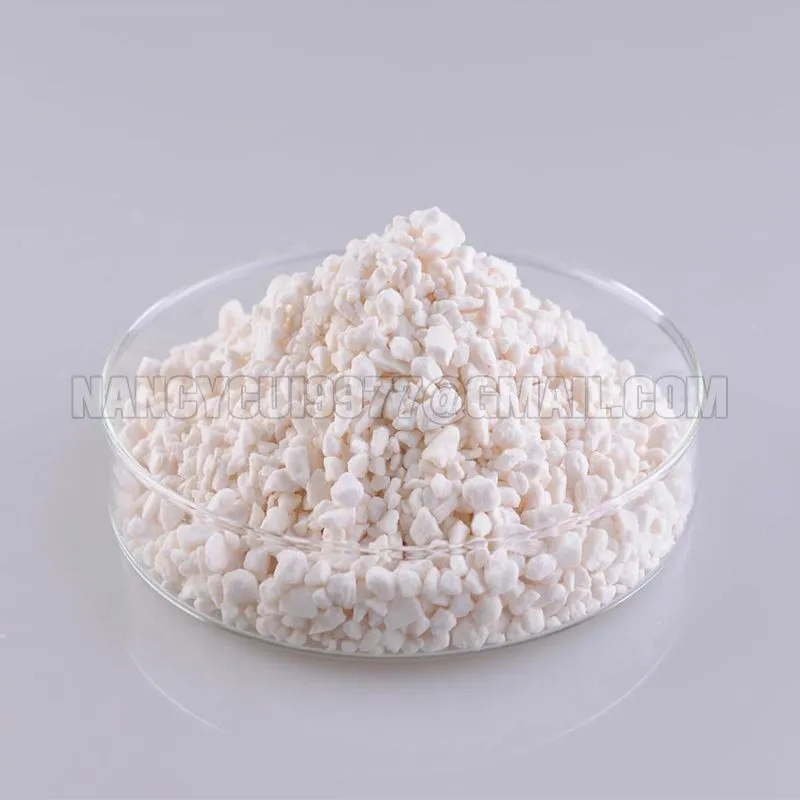
Snow-melt agents are used when mechanical removal alone cannot restore safe traction or clear pavement quickly enough. Depending on the formulation, the product may be spread as a dry solid, sprayed as a liquid brine, applied before snowfall, or used after snow and ice have bonded to a surface. The correct choice depends on temperature, precipitation intensity, pavement material, traffic volume, environmental restrictions, and treatment budget.
A snow-melt agent lowers water’s freezing point and weakens the bond between ice and pavement.
Sodium chloride costs less, while calcium chloride and magnesium chloride perform at lower temperatures.
Liquid anti-icing treatments reduce initial bonding, whereas solid deicers support post-snowfall melting.
Non-chloride products reduce chloride exposure but usually require higher purchase costs or different application methods.
Selection should consider temperature, surface material, runoff control, coverage rate, corrosion, and total treated-area cost.
shuntong supplies chloride-free formate products and snow-melting chemicals for industrial and commercial procurement.
A snow-melt agent is a chemical material used to melt snow, soften compacted ice, or prevent snow from bonding tightly to pavement. Most products work through freezing-point depression, which occurs when a chemical dissolves in the thin layer of liquid water on or beneath ice. The resulting brine remains liquid below 32°F (0°C), allowing heat from the pavement, air, sunlight, or traffic to continue the melting process.
The chemical does not create unlimited heat, and it cannot replace snow removal during heavy storms. A deicer becomes less effective when temperatures fall below its practical working range, when the application rate is too low, or when snow depth exceeds the product’s melting capacity. For this reason, professional winter maintenance usually combines plowing, scraping, chemical treatment, and traction management.
| Agent type | Typical practical temperature range* | Main advantage | Main limitation |
|---|---|---|---|
| Sodium chloride | Approximately 15°F to 32°F (-9°C to 0°C) | Lowest material cost and broad availability | Slower at low temperatures; chloride corrosion and vegetation concerns |
| Calcium chloride | Approximately -20°F to 32°F (-29°C to 0°C) | Rapid melting and lower-temperature performance | Higher cost; can increase corrosion and surface residue |
| Magnesium chloride | Approximately 5°F to 32°F (-15°C to 0°C) | Lower eutectic temperature than sodium chloride | Chloride exposure remains a concern; performance varies by purity |
| Mixed chloride products | Approximately -10°F to 32°F (-23°C to 0°C) | Combines melting speed, cost, and handling characteristics | Composition and performance differ between suppliers |
| Potassium acetate | Often below 0°F (-18°C), depending on concentration | Chloride-free and suitable for sensitive infrastructure | Higher price and greater demand for controlled liquid application |
| Calcium magnesium acetate | Often used near 20°F to 32°F (-7°C to 0°C) | Lower chloride impact and reduced corrosion potential | Higher purchase cost and slower melting than strong chloride products |
| Formate-based products | Product-specific; commonly used for sensitive areas | Chloride-free option for aviation and infrastructure applications | Requires specification review, concentration control, and budget planning |
*Temperature ranges are indicative operating ranges rather than universal guarantees. Actual performance depends on concentration, pavement temperature, snow depth, humidity, wind, traffic, and application rate.
The answer to how does a snow melt agent work depends on the product’s chemistry and physical form. When a chloride or organic salt dissolves in surface moisture, it forms a brine with a lower freezing point than pure water. This brine penetrates cracks and the ice–pavement interface, reducing the bond strength and allowing plows, tires, or foot traffic to remove the remaining material.
Pure water freezes at 32°F (0°C), but dissolved salts disrupt the formation of an organized ice crystal structure. Sodium chloride, calcium chloride, and magnesium chloride produce different numbers of dissolved particles and therefore different freezing-point effects. Calcium chloride also releases heat as it dissolves, which can support faster initial melting under suitable conditions.
The practical result is not simply “lower temperature equals better product.” A product must dissolve at the available moisture level, maintain a liquid brine, and remain concentrated enough to prevent refreezing. If too much water dilutes the solution, the freezing point rises and the treated area may become wet but slippery.
Liquid brine is commonly applied before snowfall as an anti-icing treatment. The purpose is to prevent snow from bonding tightly to the pavement, reducing the force required for later plowing. Solid salt applied after snow has accumulated is a deicing treatment, because it works on an existing layer of snow or ice.
Pre-treatment is most effective when applied to a clean or lightly damp pavement surface before precipitation begins. Post-snowfall treatment works better after bulk snow has been removed mechanically, because the chemical then contacts the ice layer instead of being buried under several inches of snow. In both cases, timing matters as much as chemical selection.
Snow-melt agents are used in different operating environments, and each environment imposes different performance and compliance requirements. A residential driveway may prioritize concrete protection and pet exposure, while an airport requires runway friction, aircraft compatibility, drainage controls, and documented application procedures. A port or bridge may also need corrosion monitoring because metal structures, vehicles, and electrical systems are exposed repeatedly.
| Environment | Typical objective | Application priorities |
|---|---|---|
| Roads | Maintain traffic movement and reduce ice bonding | Pre-treatment, calibrated spreaders, plowing coordination |
| Sidewalks | Reduce slip risk for pedestrians | Controlled granular spreading, residue removal, surface compatibility |
| Parking lots | Keep entrances, ramps, and traffic lanes usable | Coverage mapping, repeated inspection, drainage management |
| Airports | Maintain friction and operational continuity | Approved chemistry, liquid spraying, friction testing, strict residue control |
| Bridges | Reduce ice formation on elevated surfaces | Early treatment, wind-resistant application, corrosion monitoring |
| Ports | Maintain vehicle and cargo-handling access | Low-residue products, equipment protection, runoff containment |
| Farms | Protect access roads and loading areas | Lower vegetation exposure, targeted treatment, storage control |
| Construction sites | Preserve access for workers and heavy equipment | Rapid spot treatment, equipment compatibility, traction checks |
For small businesses, the main economic question is usually the cost per treated square foot rather than the price per bag. A low-cost product may require two or three applications during a storm, while a more concentrated material may require less product but have a higher purchase price. Buyers should record application weight, treated area, labor time, cleanup time, and repeat-treatment frequency.
Solid spreading uses granular, flake, pellet, or prilled deicing products. Spreaders may be manually operated for sidewalks or mounted on trucks for roads and parking lots. Typical application rates may range from approximately 5 to 40 pounds per 1,000 square feet, depending on pavement temperature, ice thickness, traffic, and product concentration.
Uniform distribution is more important than simply increasing the quantity. Excessive piles can create concentrated brine, staining, corrosion, and runoff while leaving untreated gaps between piles. Calibrating the spreader before winter operations can reduce material waste and make the actual cost per treated area measurable.
Liquid snow-melt agents are applied through spray bars, hand sprayers, or truck-mounted systems. Liquid brine provides more uniform pavement coverage than random granular placement and is widely used for anti-icing before snowfall. A common liquid application range is approximately 20 to 60 gallons per lane mile, although the correct rate depends on concentration, pavement temperature, storm timing, and local operating procedures.
Liquid spraying requires storage tanks, pumps, nozzles, filtration, and freeze protection. Operators must confirm the concentration with a refractometer or equivalent measurement method because a weak solution may refreeze, while an unnecessarily concentrated solution increases cost and corrosion potential. Spray patterns should be checked regularly to avoid streaking or uneven coverage.
Pre-treatment applies a chemical before snow or freezing rain reaches the pavement. The objective is to reduce adhesion, not to melt an unlimited amount of precipitation. This method is most useful when weather forecasts provide a reliable treatment window and the pavement is free from heavy contamination.
A pre-treatment plan should specify the expected start time of precipitation, pavement temperature, wind conditions, route priority, product concentration, and target application rate. If rain occurs first, it may dilute or wash away the treatment. If the application is made too early, traffic and evaporation can reduce the remaining chemical concentration before snowfall begins.
Post-snowfall treatment is applied after plowing, scraping, or brushing has removed most accumulated snow. It is appropriate for bonded ice, compacted snow, shaded areas, intersections, ramps, and locations where mechanical equipment cannot remove the final layer. Chemical treatment should be followed by inspection because visible melting does not always mean that a surface has safe friction.
A practical post-treatment sequence is to remove bulk snow, spread or spray the selected agent, allow time for brine formation, then scrape or brush the loosened residue. Operators should reinspect slopes, drainage points, pedestrian crossings, and shaded areas because these locations often refreeze earlier than exposed pavement.
The comparison between snow melt agent vs rock salt depends on whether “snow-melt agent” refers to sodium chloride itself or to a broader class of deicing chemicals. Rock salt is primarily sodium chloride, while the wider category includes calcium chloride, magnesium chloride, mixed chloride products, acetates, and formates. Therefore, rock salt is one type of snow-melt agent rather than a separate category.
| Evaluation factor | Rock salt / sodium chloride | Calcium or magnesium chloride | Non-chloride deicers |
|---|---|---|---|
| Purchase cost | Usually the lowest | Usually higher | Often substantially higher |
| Low-temperature performance | Limited as temperatures fall below about 15°F (-9°C) | Better performance below 15°F | Product-specific and often suitable for sensitive locations |
| Melting speed | Moderate under suitable conditions | Faster initial melting in many conditions | Varies by chemistry and concentration |
| Corrosion potential | Significant chloride exposure | Significant chloride exposure | Generally lower chloride-related corrosion |
| Concrete and metal impact | Depends on surface condition and application control | Can increase corrosion and residue | Often preferred where chloride restrictions apply |
| Vegetation and runoff | Chloride accumulation may affect soil and plants | Chloride accumulation remains possible | Usually lower chloride loading, but not automatically harmless |
| Storage | Dry, covered storage required | Moisture control required; material may cake | Liquid tank or specialized dry storage may be necessary |
| Best use | Roads, general sidewalks, moderate winter conditions | Low temperatures and rapid response | Airports, sensitive infrastructure, restricted runoff areas |
Rock salt is often economical when temperatures remain within its working range and the treated surface can tolerate chloride exposure. Calcium chloride may reduce repeat applications during colder events, but the cost per bag alone does not establish savings. A buyer should compare the delivered cost per treated square foot, application rate, labor, equipment use, corrosion controls, and cleanup requirements.
Non-chloride materials such as potassium acetate, calcium magnesium acetate, and formate-based products can reduce chloride loading. However, they may require higher concentrations, liquid spraying equipment, or stricter purchasing specifications. Their environmental profile must still be assessed by chemical oxygen demand, runoff destination, aquatic sensitivity, and local permit requirements rather than by the label “eco-friendly” alone.
The best selection method is a matrix that connects agent type to operating conditions. A product that works on a residential concrete driveway at 25°F may be unsuitable for an airport apron at 5°F or a bridge with sensitive steel components. The following matrix provides a starting point for professional buyers.
| Priority | More suitable option | Reason |
|---|---|---|
| Lowest material budget | Sodium chloride | Lower unit price and broad supply availability |
| Pavement below 15°F (-9°C) | Calcium chloride or suitable mixed chloride | Better low-temperature melting capacity |
| Reduced chloride discharge | Potassium acetate, CMA, or formate-based product | Avoids or reduces chloride loading |
| Pedestrian sidewalks | Controlled granular or liquid application | Allows precise coverage and easier inspection |
| Large parking lots | Mechanized solid spreading or brine spraying | Supports route planning and consistent coverage |
| Concrete protection | Low-dose application with pre-wetting and prompt cleanup | Reduces over-application and residue accumulation |
| Metal infrastructure | Non-chloride chemistry or corrosion-controlled formulation | Limits chloride-related corrosion exposure |
| Heavy snowfall | Mechanical removal plus chemical treatment | Chemical alone cannot process deep snow efficiently |
| Limited equipment budget | Dry granular product | Does not require liquid tanks and spray pumps |
| Repeated commercial storms | Bulk liquid or bulk solid procurement | May lower packaging, labor, and emergency purchase costs |
Buyers seeking pet-safe and concrete-safe ice melt should avoid treating those terms as absolute guarantees. Any salt or deicer can irritate paws, damage vegetation through concentrated runoff, or contribute to surface deterioration when misapplied. The safer approach is to use the lowest effective rate, remove residues, prevent puddling, store materials securely, and follow the product safety data sheet.
Snow-melt agents should be stored in a dry, covered, labeled area with protection from rain, drainage channels, and unauthorized access. Solid products should be kept on an impermeable floor or contained pallet, while liquid products require compatible tanks, secondary containment, and inspection for leaks. Storage capacity should cover the planned storm period without forcing emergency purchases from unverified suppliers.
Operators should wear chemical-resistant gloves, safety glasses, protective footwear, and clothing suitable for contact with wet brine or dust. Dust-generating products require ventilation and, where indicated by the safety data sheet, respiratory protection. Equipment should be rinsed after use, especially spreader frames, spray pumps, nozzles, truck bodies, and metal fittings exposed to chloride solutions.
Runoff management is part of correct application. Avoid spreading directly into storm drains, ponds, streams, planted beds, or enclosed areas where concentrated brine can accumulate. After the event, sweep unused granules, collect heavy residue, clear drainage points, and document any staining or vegetation contact.
Concrete damage is often related to freeze–thaw cycling, surface porosity, pre-existing cracks, poor curing, and excessive chemical loading rather than to one single application. New concrete should be treated cautiously because early-age concrete can be more vulnerable to deicing exposure. On decorative concrete, test a small inconspicuous area and use mechanical removal whenever feasible.
A product evaluation should include measurable criteria instead of relying on claims such as “fast” or “powerful.” Melting speed can be measured by recording the mass or volume of melted ice at fixed intervals, such as 15, 30, and 60 minutes. Tests should identify the starting temperature, ice thickness, product dose, surface type, and liquid water availability.
Residual slip risk should be evaluated after treatment and after refreezing conditions develop. A surface may appear clear while retaining a thin liquid film that becomes slippery when diluted or cooled. Commercial operators can combine visual inspection with friction measurements where equipment and local procedures support them.
Corrosion potential should be assessed using supplier test data and site-specific exposure records. Buyers should compare chloride concentration, corrosion inhibitor claims, metal contact time, residue level, and post-application washing requirements. Coverage should be expressed as pounds per 1,000 square feet, gallons per lane mile, or another unit that supports invoice and field reconciliation.
A basic total-cost model can be written as:
Total treatment cost = material + labor + equipment + storage + cleanup + corrosion mitigation + environmental controls
For example, a 100,000-square-foot parking lot treated at 20 pounds per 1,000 square feet requires 2,000 pounds of product per application. If a product costs $150 per ton, the material cost is approximately $150 before labor, transport, equipment, and cleanup. If a lower-cost product requires three applications while a higher-cost product requires two, the second product may produce a lower total cost even when its purchase price per ton is higher.
Professional buyers should request a specification sheet, safety data sheet, certificate of analysis, packaging details, lot identification, moisture content, active ingredient concentration, impurity limits, and recommended application range. The contract should define acceptance criteria before shipment, including allowable variation in concentration, particle size, packaging weight, and delivery documentation. For liquid products, concentration verification and tank compatibility are especially important.
Supplier evaluation should also include production capacity, laboratory testing, warehouse controls, export documentation, lead-time assumptions, and contingency planning. A company may have a suitable chemical but still create delivery risk if it cannot provide consistent lots during peak winter demand. Buyers should confirm minimum order quantities, packaging options, loading port, pallet configuration, inspection procedures, and replacement terms for nonconforming material.
shuntong is identified as Dongying Shunton
Previous: CPVC Resin Price in India: 2026 Price Trends, Forecast, Chart, Prices and Index
Next: Does Ca-HMB Actually Build Muscle? What the Clinical Evidence Says
Copyright:@2020-2021

Comments Please sign in or sign up to post.
0
0 of 500 characters used