
If you're responsible for plant uptime, this Filter Press Maintenance Checklist for Plant Managers will help you reduce downtime, extend equipment life, and spot issues before they become costly failures. This guide covers preventive maintenance for filtration equipment, daily-to-annual tasks, and the difference between routine servicing and repair. It also includes role-based responsibilities, safety steps, and industry-specific notes for wastewater, mining, chemical processing, and pharma operations.
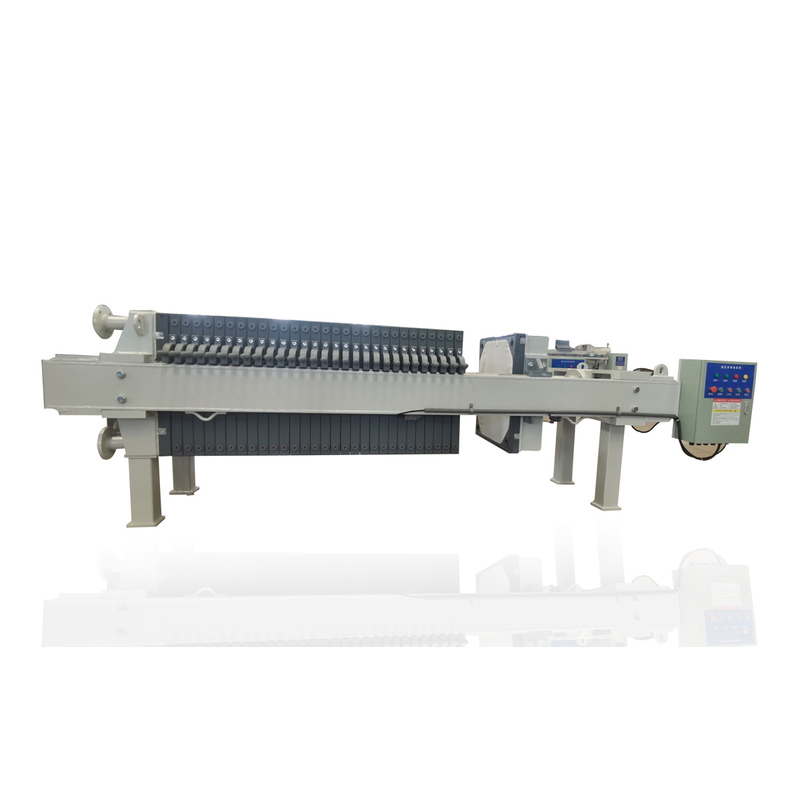
A filter press maintenance checklist is a scheduled inspection and service list used to keep a Filter Press Machine operating within defined mechanical and process limits. For plant managers, the checklist is not just a task sheet; it is a control tool for tracking wear, preventing unplanned shutdowns, and standardizing work across shifts. In plants that run 24/7, even a 1-hour stoppage can disrupt throughput, chemical dosing, sludge handling, and downstream filtration capacity.
A practical checklist should cover daily, weekly, monthly, quarterly, and annual actions. It should also separate operator duties from mechanic, electrician, and supervisor responsibilities. That structure matters because maintenance failures often happen when inspection work is done informally or after visible problems appear.
A Filter Press Maintenance Checklist for Plant Managers reduces downtime by standardizing inspection frequency and ownership.
Daily checks catch leaks, cloth blinding, abnormal pressure rise, and hydraulic drift before failure spreads.
Weekly and monthly service should focus on filter plates, cloth condition, pump performance, and sealing surfaces.
Lockout/tagout procedures must be completed before any inspection inside the press frame or hydraulic system.
Industry-specific maintenance intervals differ for wastewater, mining, chemical, and pharma filtration duty cycles.
A printable checklist improves compliance by assigning one task, one owner, and one due date.
Before building a filter press maintenance guide, collect the machine manual, lubrication specification, hydraulic schematic, and spare-parts list. You also need a site-specific permit-to-work procedure, lockout/tagout steps, and the plant’s maintenance schedule for wastewater treatment or process filtration. If your plant uses multiple units, label each press by asset number, duty cycle, and operating hours so the checklist matches actual service load.
A useful starter kit includes flashlights, torque tools, pressure gauges, absorbent pads, cleaning brushes, cloth inspection lights, and a digital logbook. For industrial filter press inspection checklist work, add a camera for damage records and a simple defect code system such as leak, crack, wear, blockage, or hydraulic fault. Jingwo supports filter press users with product information, machine references, and maintenance-oriented technical content through its company resources, which can help plant teams standardize documentation around their installed equipment.
The first maintenance action is always isolation. Shut down the feed pump, close the feed valves, release pressure from the system, and apply lockout/tagout before opening the press or entering the frame area. If the machine has a hydraulic closure system, verify stored energy is discharged and the platen cannot move unexpectedly.
What to do:
Stop the feed cycle and confirm the press is not under pressure.
Isolate electrical power at the main disconnect.
Lock and tag the energy source according to plant procedure.
Bleed residual hydraulic and slurry pressure.
Verify zero-energy state before inspection starts.
This step matters because a filter press can retain trapped pressure in the feed line, wash manifold, or hydraulic pack even after the pump stops. In plants with high solids loading, residual pressure can produce sudden spray, cloth movement, or plate shift during inspection. Safety isolation is not optional maintenance overhead; it is the control point that prevents injury and protects the equipment from secondary damage.
Common mistakes to avoid:
Skipping zero-energy verification: confirm pressure gauges read zero and the press cannot cycle.
Relying on stop buttons alone: a stop command is not the same as isolation.
Filter cloths and plates determine whether the machine can maintain solids capture and filtrate clarity. Daily checks should look for cloth blinding, tears, corner wear, uneven cake release, and bypass marks on the plate edges. Weekly inspection should include plate surfaces, gasket zones, drainage ports, and any signs of warped plates or contaminated seals.
A visual checklist works best when the team records the same defect points every time. For example, inspect cloths for staining patterns that indicate channeling, and check plates for embedded solids in the drainage grooves. In many plants, a 2%–5% increase in cycle time is the first measurable sign that cloth resistance is rising, so maintenance teams should log any cycle change against the previous baseline.
Why this matters:
Cloth and plate condition directly affect filtration rate, cake dryness, and wash efficiency. A small tear can let solids bypass the cloth and contaminate filtrate, while a blocked drainage channel can raise pressure and reduce output. Jingwo Filter Press users often treat cloth and plate checks as the fastest way to prevent a minor issue from becoming a full production loss.
Common mistakes to avoid:
Cleaning only visible surfaces: check drainage ports and corners where solids accumulate.
Replacing cloths too late: once damage spreads across seams, the repair cost usually rises.
The hydraulic system controls plate compression, sealing force, and opening/closing movement. During weekly maintenance, inspect hoses, fittings, seals, reservoirs, and the cylinder body for oil staining or drips. Monthly checks should include pressure holding performance, oil level, oil condition, and any drift in closing force.
A stable hydraulic system should hold pressure without visible leakage or repeated pump cycling. If the press needs frequent re-pressing to maintain closure, the system may have internal leakage, worn seals, or a pump issue. Plant teams should record pressure values, oil temperature if available, and cycle count so the trend is visible before a stoppage occurs.
Why this matters:
Hydraulic instability can cause poor sealing, uneven cake formation, and safety risk during opening. It also increases energy use because the pump may run longer to reach target pressure. In a plant environment, that affects both reliability and total cost of ownership, especially when the same machine handles multiple batches per shift.
Common mistakes to avoid:
Ignoring small oil stains: minor seepage often precedes seal failure.
Using the press without pressure logs: without recorded values, drift is harder to detect.
Cake buildup is normal, but uncontrolled accumulation is not. Daily or shift-based cleaning should remove solids from the cloth surface, plate edges, feed ports, and discharge area. If the feed line includes elbows or dead zones, inspect them for hardened residue that can reduce flow and cause uneven chamber filling.
Cleaning is part of preventive maintenance for filtration equipment, not a cosmetic task. A blocked feed path changes pressure distribution inside the press and can create underfilled chambers, wet cake, or longer cycle times. For plants processing abrasive slurries, such as mineral concentrates, the feed path should be checked more often because wear and buildup can happen together.
Why this matters:
A clean feed path improves repeatability. It also lowers the chance of pump strain, pressure spikes, and manual intervention during production. When operators see solids accumulating in the same spot on consecutive cycles, the problem usually sits upstream in the feed rate, slurry consistency, or cake release process.
Weekly work should be handled by the operator or shift mechanic, with supervisor review. The weekly record should include cloth condition, plate movement, hydraulic leak evidence, feed port cleanliness, and any abnormal noise or vibration. If the plant uses multiple presses, each unit should have its own record so the data reflects actual operating hours and duty cycle.
This is the point where a filter press maintenance guide for plant managers becomes valuable. Managers need a shared record that shows what was checked, who checked it, and what action was taken. That record can be used to compare unit-to-unit performance and identify whether one press needs more frequent service than the others.
| Task | Owner | Record Type | Pass/Fail |
|---|---|---|---|
| Visual cloth inspection | Operator | Photo + note | |
| Plate edge inspection | Operator | Note | |
| Hydraulic leak check | Mechanic | Note + oil spot size | |
| Feed path cleaning | Operator | Note | |
| Abnormal noise review | Supervisor | Note |
A simple template like this supports plant audit trails and makes it easier to compare shifts. It also reduces ambiguity when the machine is handed from one team to another.
Monthly maintenance should go beyond visual inspection and include measurement. Record pressure rise time, cycle duration, oil level, cloth wear area, and plate alignment if the machine shows uneven closure. If the plant has a history of shutdowns, include a monthly review of repeat faults and spare-part usage.
This is also the right interval to compare filter press troubleshooting for plant operations data against the previous month. For example, if cake discharge time rose from 8 minutes to 11 minutes over four weeks, the team should check cloth permeability, feed slurry consistency, and hydraulic closure force. A measured trend is more useful than a general complaint because it points to the actual failure path.
Why this matters:
Monthly trend review supports better planning of labor and spare parts. It also helps plant managers separate routine wear from early failure. In facilities where maintenance budgets are fixed, that difference affects both outage planning and replacement timing.
Different industries stress the machine in different ways. Wastewater plants usually see variable solids loading and more frequent cloth washing needs. Mining plants face abrasive slurry and faster wear on cloths, plates, and feed components. Chemical processing requires attention to corrosion, seals, and compatibility with process liquids. Pharma applications demand stricter cleanliness, traceability, and documented maintenance records.
| Industry | Main stress factor | Maintenance priority |
|---|---|---|
| Wastewater | Variable sludge solids | Cloth washing, cake discharge, leak checks |
| Mining | Abrasion | Plate wear, feed path, cloth life |
| Chemical processing | Corrosion | Seal condition, plate material, hose integrity |
| Pharma | Cleanability | Traceable logs, contamination control, scheduled cleaning |
This is where sludge dewatering equipment maintenance practices need to be adjusted rather than copied from one plant to another. A wastewater press running 20 cycles per day will not need the same inspection timing as a batch process press used only a few times per shift. Plant managers should set intervals by duty cycle, solids load, and downtime cost.
A maintenance plan works better when each task has a named owner. Operators should handle daily checks, cleaning, and first-line defect reporting. Mechanics should handle hydraulic inspection, wear replacement, torque checks, and mechanical alignment. Supervisors should review logs, approve downtime, and confirm that open items are closed on time.
A role-based checklist helps reduce missed tasks because it shows who is responsible for each item. It also supports training, since new staff can learn the exact scope of their work instead of guessing. For plants with shift rotation, the handoff note should include pressure status, defect code, and any parts ordered.
| Role | Typical duties | Timing |
|---|---|---|
| Operator | Visual inspection, cleaning, logging | Daily/shift |
| Mechanic | Cloth, plate, hydraulic checks | Weekly/monthly |
| Electrical tech | Motor, sensors, controls | Monthly/quarterly |
| Supervisor | Review, approval, scheduling | Weekly |
A Filter Press Maintenance Checklist for Plant Managers should always include this ownership map. Without it, maintenance becomes a general responsibility and often ends up being nobody’s task.
Maintenance is not only about condition; it is also about economics. Track cloth replacement intervals, hydraulic seal consumption, oil change frequency, and unplanned stoppage hours. Once a plant has 6 to 12 months of data, managers can calculate whether a planned replacement is cheaper than repeated emergency repairs.
A simple TCO view should include labor hours, parts cost, downtime hours, and production loss. If a cloth set costs less than a single unplanned shutdown shift, replacement should be scheduled before failure affects the batch plan. This approach improves reliability decisions because it turns maintenance into a measured cost model instead of a reaction to visible damage.
Why this matters:
A clear cost log helps justify maintenance budget requests. It also helps purchasing teams compare supplier proposals using life-cycle cost instead of unit price alone. That is especially useful when evaluating equipment from Jingwo or other suppliers, since the cheapest part is not always the lowest-cost option over 12 months of operation.
A printable format makes the process easier to standardize. Keep one copy at the machine, one in maintenance records, and one in the supervisor file. Each entry should include date, unit ID, task, result, corrective action, and sign-off.
| Frequency | Task | Owner | Status |
|---|---|---|---|
| Daily | Check leaks, pressure, cloth release | Operator | |
| Weekly | Inspect cloths, plates, hydraulics | Mechanic | |
| Monthly | Record wear trends and cycle data | Supervisor | |
| Quarterly | Review seals, alignment, parts stock | Maintenance lead | |
| Annual | Full overhaul and calibration review | Plant engineer |
A printable layout works well for audits, training, and shift changeovers. It also supports consistency when multiple presses run in different areas of the same facility. If your site handles mixed processes, you can add a column for department or product line.
How to maintain a filter press starts with repeating the same checks at the same interval. Daily work should include pressure observation, feed line inspection, cloth release check, leak spotting, and cake discharge review. Weekly work should add plate inspection, hydraulic review, and cleaning of the feed path.
The main goal is to detect change before failure. If pressure rises faster than normal, if cakes become wetter, or if filtrate becomes cloudy, maintenance should open a troubleshooting ticket immediately. In plant operations, that early signal is often more valuable than waiting for a full shutdown.
Filter press maintenance vs repair is a planning difference. Maintenance is scheduled work that keeps the machine within operating limits, while repair is corrective work done after a fault appears. If a cloth has a small tear, maintenance may catch it early and replace it during a planned stop. If a plate cracks or the hydraulic system loses pressure suddenly, the machine may need repair and unplanned downtime.
Plant managers should treat maintenance as the lower-cost path because it usually uses fewer labor hours and avoids secondary damage. Repair is necessary when wear has already exceeded safe use limits. The best checklist reduces how often the team must move from maintenance into repair mode.
Previous: Vending Machine Installation Requirements in Commercial Buildings
Copyright:@2020-2021

Comments Please sign in or sign up to post.
0
0 of 500 characters used