
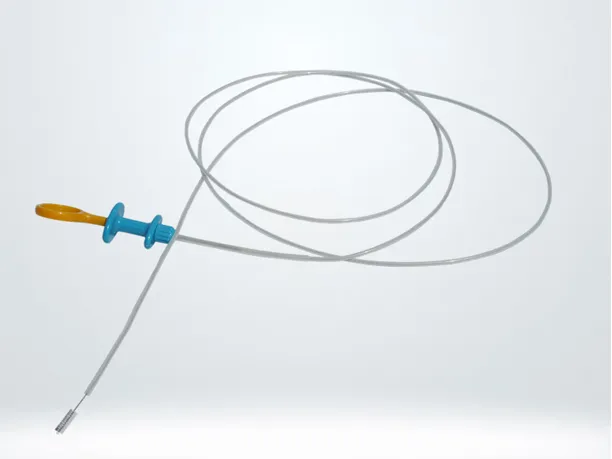
A cytology brush is a medical tool used to collect cells from body surfaces for laboratory examination. It is commonly used in diagnostic procedures to detect infections, inflammation, precancerous changes, and cancers.
Collecting Cells for Cytological Analysis
The primary purpose of a cytology brush is to gently scrape and gather epithelial cells from mucosal surfaces so they can be examined under a microscope.
1. Gastrointestinal (GI) Tract
Used during endoscopy to collect cells from:
Esophagus
Stomach
Duodenum
Bile ducts
Pancreatic duct
Applications:
Evaluation of Barrett’s esophagus
Detection of gastric cancer
Diagnosing biliary strictures or pancreatic duct lesions
Used during bronchoscopy to collect cells from:
Trachea
Bronchi
Lungs
Applications:
Diagnosing lung cancer
Identifying respiratory infections
Investigating bronchial inflammation
3. Cervical Screening (Gyn)
Some types of cytology brushes are used in Pap smear sampling to collect:
Cervical epithelial cells
Endocervical canal cells
Applications:
Screening for cervical cancer
Detecting HPV-related changes
4. Urology
Used to sample cells from:
Ureter
Bladder
Prostate ducts
Applications:
Diagnosing urothelial carcinoma
Monitoring recurrent bladder cancer
5. ENT (Ear, Nose, Throat)
Used to collect cells from:
Nasal passages
Vocal cords
Oropharynx
Applications:
Diagnosing laryngeal or nasal tumors
Detecting chronic inflammatory diseases
Minimally invasive
Collects high-quality cell samples
Can reach difficult internal ducts (using guided brushes)
Widely used in endoscopic and bronchoscopic procedures
We are dedicated to the research, design, and production of medical devices. If you are looking for a medical device supplier, please contact us.
Previous: How Disposable ESD Knives Improve Precision in Gastric Tumor Resection
Next: Titanium Sputtering Target Purity Grades: 99.5% vs 99.9% vs 99.99% Compared
Copyright:@2020-2021

Comments Please sign in or sign up to post.
0
0 of 500 characters used