
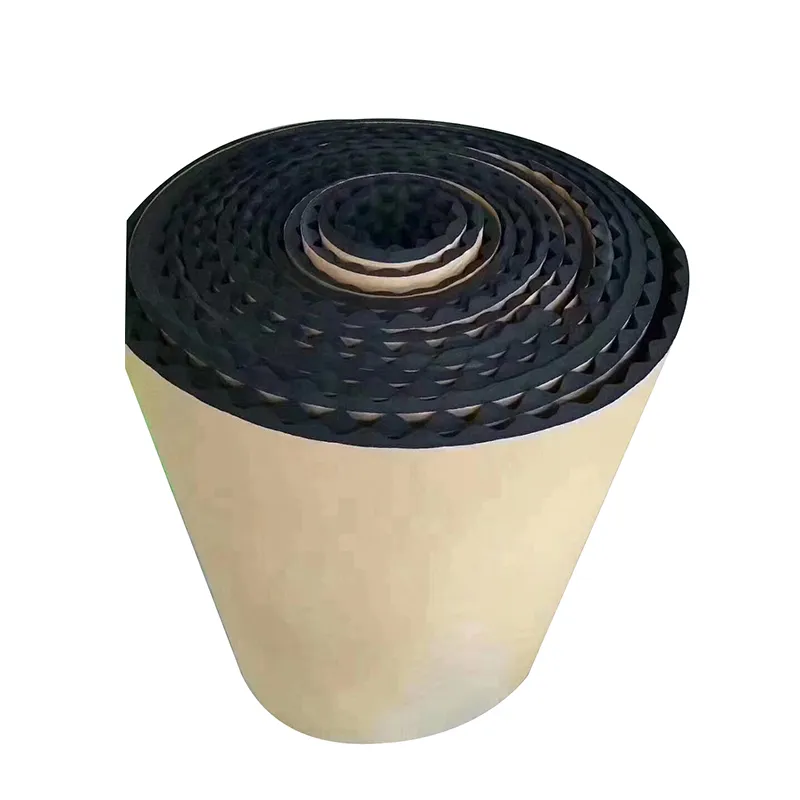
When evaluating insulation options for energy efficiency, homeowners and builders often seek a combination of thermal performance, moisture resistance, and ease of installation. rubber foam insulation, known for its flexibility and noise-dampening properties, makes for an intriguing contender. However, like any product, it carries both advantages and disadvantages. This article explores the comprehensive benefits and drawbacks of rubber foam insulation, so you can make an informed decision that addresses the unique challenges of your project.
One of the standout benefits of rubber foam insulation is its impressive thermal resistance, often measured by its R-value. For instance, studies indicate that rubber foam can achieve an R-value of approximately 4.0 per inch of thickness. This level of insulation not only enhances energy efficiency but can also significantly reduce cooling and heating costs. In fact, one case study showed that homes insulated with rubber foam experienced a 30% reduction in energy bills over a year.
Additionally, rubber foam insulation displays excellent moisture resistance. Unlike traditional fiberglass insulation, which can absorb water and lead to mold growth, rubber foam resists moisture intrusion, making it a smart choice for damp environments. This characteristic is critical; according to the Environmental Protection Agency (EPA), over 1 million cases of mold-related illnesses are reported annually due to improper insulation and moisture management.
Moreover, rubber foam insulation is renowned for its sound-dampening properties, effectively reducing noise transmission between spaces. In multifamily homes or commercial buildings, studies suggest that rubber foam insulation can reduce sound transmission by as much as 80%, creating a more pleasant living or working environment.
While rubber foam insulation has notable advantages, it's essential to consider its downsides. One significant drawback is its higher initial cost. On average, rubber foam insulation costs between $0.90 to $1.50 per square foot, compared to fiberglass batts, which can cost as little as $0.50 per square foot. Therefore, homeowners on a tight budget might find the upfront investment challenging.
Additionally, while rubber foam insulation is effective in various applications, it’s not suitable for all scenarios. For example, it can be less effective as an air barrier when not installed properly. As a precaution, it is crucial to use qualified professionals familiar with its installation and characteristics to ensure maximum effectiveness. Failure to do so could lead to thermal bridging, which diminishes the material's insulation performance.
Deciding whether to invest in rubber foam insulation ultimately depends on your specific needs. If you prioritize energy efficiency, moisture resistance, and soundproofing capabilities in spaces like basements, attics, or home theaters, the advantages may significantly outweigh the costs. However, for smaller applications or if budget constraints are in play, exploring alternatives like fiberglass or cellulose may be advisable.
Rubber foam insulation offers valuable benefits that cater to a range of consumers. It is particularly advantageous for:
1. Homeowners in humid climates seeking moisture resistance.
2. Builders aiming for high energy performance and soundproofing in residential or commercial projects.
3. DIY enthusiasts looking for a versatile and easy-to-handle insulation option.
Rubber foam insulation has a higher R-value per inch, better moisture resistance, and superior sound-dampening qualities compared to fiberglass. However, it typically comes at a higher initial cost.
Yes, rubber foam insulation can be used in exterior walls and roofs. However, it's recommended to use a protective cover or barrier, as prolonged exposure to UV rays can degrade rubber materials over time.
Rubber foam is generally safe for indoor use; however, ensure that the materials are free from harmful chemicals, and opt for products that comply with environmental standards.
When installed correctly, rubber foam insulation can last 20 years or more, with minimal degradation in performance over time.
Previous: What are the uses of HPMC?
Next: Choosing Between Natural and Engineered Wood Veneer Panels
Copyright:@2020-2021

Comments Please sign in or sign up to post.
0
0 of 500 characters used