
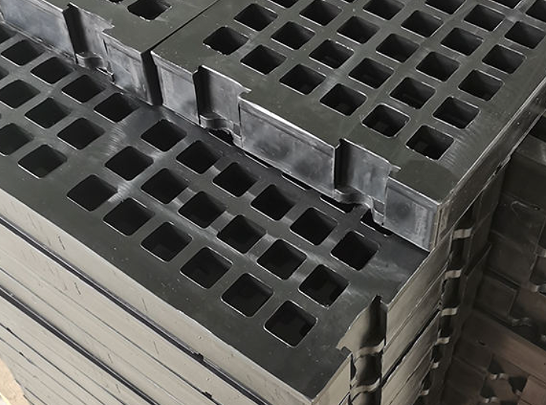
Screening decks rarely fail all at once; they drift. A deck that hit its target split in April is quietly missing it in October, and the usual suspects — feed rate, moisture, bed depth — get blamed first because they are easier to see. What gets overlooked is the slow loss of elastic recovery in the panel itself. Rubber screen works on a vibrating screen precisely because it flexes, snaps back, and throws the near-size particle clear of the aperture, and once that snap-back starts to lag, throughput falls off in a way no amount of feed tuning will fix. Understanding how recovery degrades over a full service life explains a lot of the efficiency complaints that never seem to have an obvious cause.
Previous: What Is a Candela? The SI Base Unit of Luminous Intensity Explained
Next: Finding the Right ELISA Kit Suppliers for Your Laboratory
Copyright:@2020-2021

Comments Please sign in or sign up to post.
0
0 of 500 characters used