
Powdered Activated Carbon: The "Hidden Purifier" in Edible Oil Refining
The edible oils on our daily tables, from crude oil to clear, flavorful finished products, undergo crucial refining processes beyond basic pressing and extraction, including decolorization and impurity removal. Many people are familiar with filtration, degumming, and deacidification, but few understand powdered activated carbon. This unassuming yet vital adsorbent material in the edible oil refining process silently purifies and enhances the oil, directly impacting its color, odor, and quality stability.
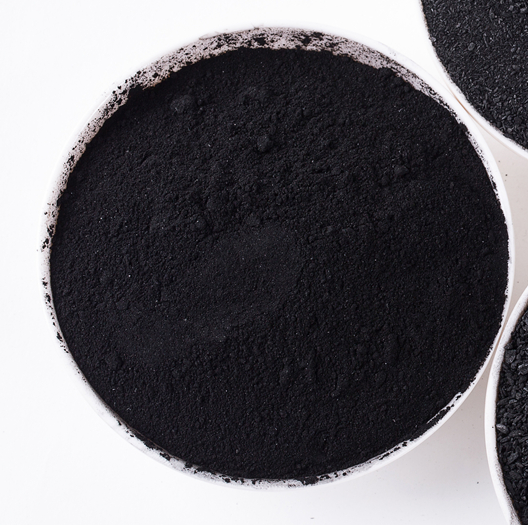
What is Powdered Activated Carbon for Edible Oil?
Powdered activated carbon is a porous powdered adsorbent material made from high-quality raw materials such as wood and fruit shells through carbonization, high-temperature activation, and fine grinding and sieving. Unlike ordinary water purification charcoal, the powdered activated carbon used in edible oil refining undergoes specialized process control, possessing a well-developed microporous and mesoporous structure, a large specific surface area, fine and uniform particles, and strict compliance with food contact safety standards for ash content and heavy metals, ensuring it does not introduce harmful impurities into the oil.
Its core advantage lies not in physical filtration, but in its powerful adsorption capacity: relying on its densely packed internal pores, it captures various large molecular impurities in oils, adsorbing not only colored substances but also odor-causing substances, oxides, trace amounts of colloids, polycyclic aromatic hydrocarbons, and other undesirable components. It is a safe and reliable adsorption aid in physical refining processes.
While there are many types of powdered activated carbon on the market, industrial-grade carbon cannot be used indiscriminately for edible oil processing. Food-grade powdered activated carbon has strictly controlled impurity content, its filtration and separation speed is adapted to the oil production conditions, and it leaves low carbon powder residue, preventing secondary contamination of the oil. This is the primary consideration for oil production companies when selecting activated carbon.
Key Selection Parameters for Powdered Activated Carbon in Edible Oil Refining
For oil-specific powdered activated carbon, wood-based food-grade powdered activated carbon is preferred. Coal-based activated carbon has high ash content and a high risk of heavy metal contamination, and is strictly prohibited for use in edible oil production. The following core indicators should be considered, and the COA (Coating of Analysis) test report should be checked during procurement to ensure compliance with national standards for food additives:
Test Item | Qualified Range in Industry | Parameter Significance |
Iodine adsorption value | ≥900 1100 mg/g | Reflects total specific surface area, represents basic adsorption capacity; higher value means stronger adsorption performance |
Methylene blue adsorption value | ≥150 220 mg/g | Indicates mesopore development, core index for decolorization and removal of macromolecular pigments & burnt odor substances; ≥180 mg/g is preferred for oil refining |
Specific surface area | 900 1200 ㎡/g | Total pore surface area, determines overall adsorption loading capacity |
Moisture | ≤5% | Excessive moisture weakens adsorption efficiency and may trigger oil hydrolysis |
Ash content | ≤5% | High ash content may introduce metallic impurities, leading to oil re coloration and turbidity |
Particle size (mesh) | 200 325 mesh, ≥90% passing 200 mesh sieve | Coarse particles slow down adsorption; overly fine particles cause difficult filtration and carbon carry over |
pH value | 3 6 (acid washed wood based carbon) | Weak acid carbon minimizes catalytic oxidation risk to oil system |
Acid soluble substances | ≤0.5% | Limit soluble impurities to avoid oil contamination |
Heavy metal (Lead) | ≤1 mg/kg | Mandatory food safety index to prevent heavy metal migration into edible oil |
Reference parameters for supporting processes:
Dosage: Rarely used alone, generally in combination with activated clay; activated carbon accounts for 0.05%-0.5% of the oil weight, the lower the crude oil quality, the higher the dosage; activated clay is typically 1-2%;
Adsorption temperature: 90-110℃, under vacuum conditions;
Insulation adsorption time: 15-30min; excessive time increases oil loss and oxidation risk.
Specific Applications of Powdered Activated Carbon in Edible Oil Refining
Powdered activated carbon is not necessary for all oil refining processes. It is more often used as a supplementary adsorption method, primarily in the following production scenarios:
Hot-pressed Crude Oil Refining (High-Scorch, Dark-Colored Oils),Hot-pressed peanut, rapeseed, and sesame oils produce large, brownish-red pigments and a burnt odor during the roasting and pressing process. Ordinary bleaching clay can only remove basic red and yellow pigments, with limited removal of burnt odor and dark brown residue. Powdered activated carbon is used in the decolorization stage to specifically adsorb burnt components and polycyclic aromatic hydrocarbons (PAHs), improving the oil's darkening and blackening problem. For high-end, richly aromatic hot-pressed oils, the amount added needs to be strictly controlled to prevent the adsorption of the oilseed's natural aroma.
Deep Refining of Extracted Crude Oils to Ensure Finished Oil Safety, Extracted crude oils from soybean oil, sunflower oil, and rapeseed oils may introduce trace amounts of PAHs and oxidation products, such as benzo[a]pyrene, due to moldy raw materials and high-temperature pretreatment. Conventional bleaching clay has limited ability to remove these trace harmful substances. A small amount of activated carbon is added to the decolorization process as a safety precaution, reducing the content of polycyclic aromatic hydrocarbons (PAHs) and helping the finished oil products consistently meet national safety limits. This is suitable for the conventional refining sections of large-scale plants.
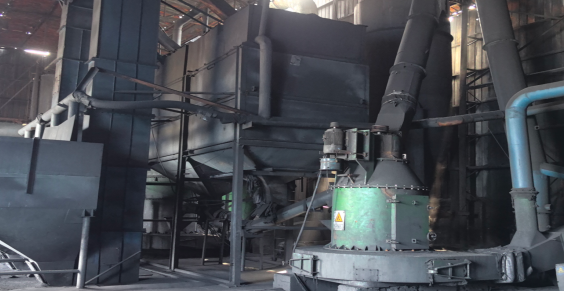
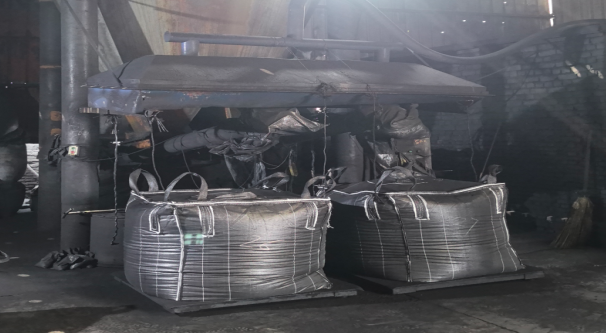
Specialty High-End Oil Refining (Camellia Oil, Walnut Oil, Flaxseed Oil)
These niche oils are high-value, naturally containing high levels of chlorophyll and oxidized impurities, making them sensitive and intolerant of harsh processing conditions. A low-dose combination of activated carbon and bleaching clay gently decolorizes and removes odors, reducing oxidation while preserving as many functional nutrients as possible. For low-smoke-point oils like coconut oil, the adsorption temperature can be appropriately lowered to 70-90℃.
Treatment of Oxidized, Deteriorated, and Recolored Oils as an Emergency Quality Improvement Solution
Oxidation occurs during the storage and processing of finished oil products, resulting in a rancid odor and deepening color later; or production batches may be abnormal, with color values and odors failing to meet standards. A second pass of "bleaching clay + activated carbon" adsorption in the decolorization process adsorbs oxidation intermediates and colored oxidation products, salvaging substandard batches and reducing raw material waste.
Removal of Specific Impurities: Excessive Chlorophyll, Trace Pollutants
Rapeseed oil has high chlorophyll content, giving it a greenish hue; raw materials may contain trace amounts of plasticizers and mycotoxins, making bleaching clay treatment ineffective. Activated carbon, with its mesoporous structure, excels at adsorbing these large, polar impurities, specifically addressing these abnormal indicators.
Physical Refining Process Support
Physical refining avoids alkali refining and deacidification, relying on adsorption and deodorization for refining, resulting in more impurities in the crude oil. The activated carbon + bleaching clay compound system is particularly crucial in the decolorization stage, undertaking multiple tasks such as decolorization, impurity removal, and removal of harmful substances from thermal processing, compensating for the purification shortcomings caused by the lack of an alkali refining process.
Pretreatment of Waste Frying Oil (For Biodiesel Production, Not for Consumption)
Waste frying oil is dark in color, has a strong odor, and is severely oxidized. Using a higher dosage of activated carbon in combination with bleaching clay for decolorization and impurity removal serves as pretreatment for biodiesel feedstock. Oil treated in this scenario is strictly prohibited from being returned to the consumption market.
Why Activated Carbon is Needed for Crude Oil Refining
Crude oil obtained freshly pressed or leached is not in ideal condition. Besides the well-known free fatty acids and gums, oils also contain a large number of complex impurities: natural pigments from the oilseeds themselves, giving the oil a dark color; charred substances produced during the roasting and pressing processes; aldehydes and ketones that produce off-odors during oil oxidation; and trace amounts of harmful substances generated during heat processing, such as benzo[a]pyrene.
Relying solely on bleaching clay for decolorization often only removes most pigments, with limited ability to remove some heavy pigments, burnt odors, oxidized odors, and trace amounts of aromatic hydrocarbons. In this case, combining it with powdered activated carbon can fill the purification gaps. Bleaching clay excels at removing yellow and red pigments, while powdered activated carbon has a prominent adsorption effect on dark, large-molecule pigments, odorous substances, and polar harmful substances. The combined use of the two is a very mature and effective solution for edible oil refining.
Whether it's rapeseed oil, peanut oil, sunflower seed oil, palm oil, or high-end specialty oils like camellia oil and walnut oil, powdered activated carbon has a wide range of applications. Especially for hot-pressed crude oils, which tend to have a burnt odor and heavy color, the effect of activated carbon is even more pronounced.
Practical Application Process of Powdered Activated Carbon in Edible Oil Refining
Powdered activated carbon is generally used in the decolorization stage of oil refining, following degumming and deacidification, and before deodorization. The entire operation is carried out in conjunction with the activated clay process.
Oil Pretreatment
After degumming and deacidification, the oil is first heated to the appropriate process temperature. The decolorization temperature for most edible oils is controlled at around 100-110℃, and the process is carried out under vacuum to prevent secondary oxidation caused by contact with air. The moisture content of the oil must be controlled beforehand; excessive moisture will weaken the adsorption effect of activated carbon and easily cause hydrolysis and deterioration of the oil.
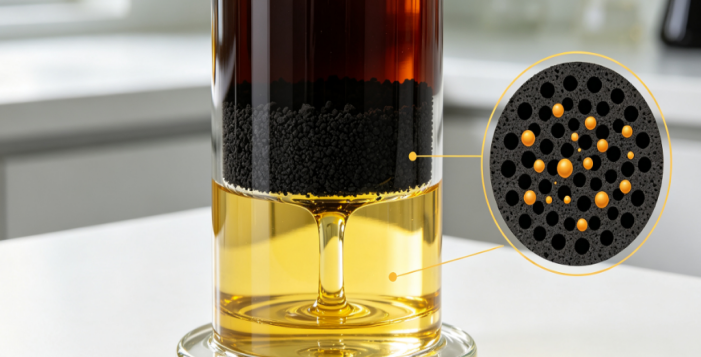
Charcoal Addition and Mixing
Powdered activated carbon is rarely used alone; in most production scenarios, it is mixed with activated clay in a specific ratio. The amount added is adjusted flexibly according to the quality of the crude oil: for higher quality crude oil, the amount of activated carbon added is lower; for crude oil with dark color, strong burnt odor, and high degree of oxidation, the addition ratio is appropriately increased.
First, premix the activated carbon powder and bleaching clay evenly. Then, slowly add this mixture to the oil under vacuum stirring, continuously and thoroughly stirring to ensure the activated carbon particles are completely dispersed within the oil phase. This allows sufficient contact between the oil and the pores of the activated carbon, providing ample time for the adsorption reaction to capture pigments, odors, and harmful components.
Insulated Adsorption Reaction: After feeding, maintain the temperature and vacuum to sustain the adsorption for a certain period. This stage is crucial for the activated carbon to function effectively. Large molecular colored substances, burnt odor substances, and oxidation products are gradually adsorbed into the pores of the activated carbon. Too short a time results in insufficient adsorption, while too long a time increases the risk of oil oxidation and loss. The factory needs to adjust the process according to the raw materials.
Filtration and Separation to Thoroughly Remove Carbon Slag: After adsorption, the core step is to separate the powdered activated carbon, along with the bleaching clay and adsorbed impurities, from the oil. This solid-liquid separation is typically achieved using a plate and frame filter or a leaf filter. This step is critical; the activated carbon particles must be completely removed. Any fine carbon particles remaining in the finished oil will cause it to darken, become cloudy, and precipitate, affecting its appearance. The filtered activated carbon residue absorbs some of the oil, and companies also have processes to recover residual oil from the residue, reducing production costs.
Subsequent Deodorization Process: The clarified oil obtained from filtration is then sent to the deodorization section to remove residual free fatty acids and light-component odors, ultimately yielding a light-colored, pure-smelling, and stable finished edible oil.
What Improvements Does Powdered Activated Carbon Bring to Edible Oil?
Optimizing Oil Color: Effectively removes dark brown and burnt black pigments from crude oil, improving the problem of darkening and dullness. Combined with bleaching clay, it achieves ideal color indicators, resulting in a clear and transparent finished oil. The improvement effect is particularly prominent for hot-pressed rapeseed and peanut oils.
Removing Undesirable Flavors: Adsorbs the burnt, scorched, and rancid precursors of crude oil, reducing off-flavors while preserving the natural aroma of the oilseeds, resulting in a pure taste in the finished oil. Note: Activated carbon indiscriminately adsorbs some aroma substances; high-end fragrant pressed oils require strict control of the amount added to avoid excessive loss of inherent aroma.
Reduces harmful trace components in oils and fats.
It has a good adsorption and removal effect on polycyclic aromatic hydrocarbons such as benzo[a]pyrene produced during high-temperature processing of oilseeds, helping finished oils and fats meet national food safety standards and improving their safety properties.
Improves storage stability of oils and fats.
It removes partial oxidation intermediates within oils and fats, slowing down the rate of discoloration and oxidative deterioration during storage, thus extending shelf life.
Key points for actual production and use:
Raw materials must be food-grade.
The use of industrial powdered activated carbon is strictly prohibited. Product food safety testing reports must be verified; indicators such as heavy metals and arsenic must meet relevant standards for food additives to ensure the safety of edible oils.
Control the addition ratio; do not blindly add too much.
More activated carbon does not necessarily mean better results. Excessive addition will not only increase oil adsorption loss and remove the natural flavor of the oil, but also increase the burden on subsequent filtration. Determine the optimal ratio based on small-scale tests of crude oil quality, and prioritize the use of a combination of activated carbon and bleaching clay to balance cost and purification effect.
Strictly Control Operating Conditions:
Maintain a vacuum throughout the adsorption process to minimize contact between oils and air and prevent oil oxidation at high temperatures. Temperature and stirring time must be matched to the characteristics of the oil. Powdered activated carbon is hygroscopic; it must be stored in a sealed, dry place. Moisture-affected, clump-forming carbon powder will significantly reduce adsorption performance.
The Filtration Process is Essential: Fine-particle activated carbon has a very small particle size. The selection of filtration equipment and the precision of the filter cloth must meet standards. Thorough testing of the filtered oil is crucial to prevent the residue of fine activated carbon powder.
Proper Disposal of Waste Activated Carbon: Waste activated carbon saturated with impurities cannot be recycled for reuse in edible oil refining. The pores are already saturated with impurities, and regeneration is unlikely to meet food-grade requirements. Waste carbon residue should be disposed of according to industrial solid waste regulations.
In Summary: While powdered activated carbon is not an all-purpose material for edible oil refining, it is an excellent "auxiliary purification partner." Relying on its unique porous adsorption characteristics, it compensates for the shortcomings of bleaching clay decolorization, playing an irreplaceable role in decolorization, odor removal, and the removal of trace harmful impurities.
Choosing the right food-grade activated carbon, understanding key indicators, matching it to the appropriate application scenario, and controlling the entire process of addition ratio, temperature, stirring, and filtration can improve the quality of crude oil while controlling production costs, producing high-quality edible oil with clear color, pure aroma, and stable safety. For oil production enterprises, thoroughly understanding the application logic of powdered activated carbon is also a crucial step in controlling the quality of finished oil products.
Copyright:@2020-2021

Comments Please sign in or sign up to post.
0
0 of 500 characters used