
As industries strive for sustainability and waste reduction, innovative solutions like the leather waste briquette machine have emerged. This specialized machine plays a crucial role in transforming leather waste into useful briquettes, contributing to both environmental conservation and resource efficiency. In this article, we delve into the workings of the leather waste briquette machine and its significance in waste management.
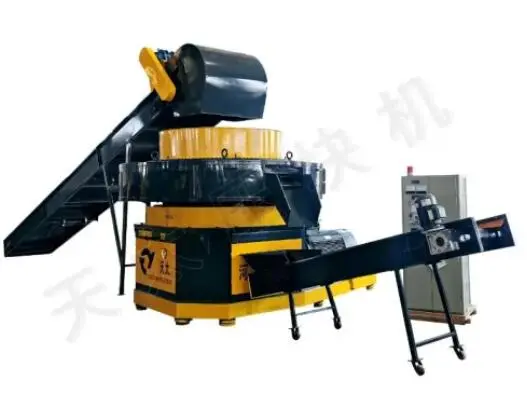
Leather waste, generated from various industries such as tanneries and leather processing units, can pose environmental challenges if not managed properly. The leather waste briquette machine addresses this issue by compacting and transforming leather scraps and residues into briquettes. These briquettes can serve as a sustainable alternative fuel source or be utilized in various industrial processes.
The leather waste briquette machine operates on the principle of compaction. The process begins with the collection of leather waste, which is then fed into the machine. The waste undergoes compaction through the application of high pressure, resulting in the formation of dense and solid briquettes. This compaction not only reduces the volume of the waste but also binds the leather particles together, creating a usable and transportable product.
The leather waste briquette machine consists of several key components, each playing a vital role in the briquetting process:
Feeding System: Responsible for transferring the leather waste into the compaction chamber.
Compaction Chamber: Where the actual briquetting process takes place, applying pressure to form briquettes.
Hydraulic System: Provides the necessary force for compaction, ensuring consistent and effective briquette formation.
Control Panel: Allows operators to monitor and control the machine's functions, adjusting pressure and other parameters as needed.
Briquette Ejection System: Releases the finished briquettes for collection or further processing.
The adoption of leather waste briquette machines offers several benefits:
Waste Reduction: The machine significantly reduces the volume of leather waste, aiding in waste management efforts.
Energy Recovery: Leather waste briquettes can serve as an alternative fuel source, contributing to energy recovery and reducing dependence on traditional fuels.
Resource Efficiency: By converting leather waste into usable briquettes, the machine enhances resource efficiency and promotes a circular economy.
Environmental Impact: Proper disposal of leather waste through briquetting minimizes environmental pollution and supports sustainable practices.
If you are interested in incorporating a leather waste briquette machine into your waste management processes or have questions about choosing a reliable supplier, don't hesitate to contact us. As a trusted supplier in waste management solutions, we are here to provide expert guidance and support, ensuring you make informed decisions for your sustainability initiatives.
Previous: What is a Deep Hole Drilling Machine?
Next: Sourcing High-Cycle Roller Parts for High-Volume Paving Operations
Copyright:@2020-2021

Comments Please sign in or sign up to post.
0
0 of 500 characters used