
Overseas fashion retailers face a persistent challenge: how to bring unique sweater collections to market without owning a factory or investing in expensive knitting machinery. Traditional wholesale models force retailers to choose from pre-made designs, limiting brand differentiation. Original Design Manufacturing (ODM) changes that equation entirely. ODM sweater production lets retailers collaborate with an experienced manufacturer to develop custom sweaters based on existing design templates, modified to match specific brand requirements. Relevant specifications and application guidance are available through Women's Pullover Sweater.
This tutorial explains exactly how ODM sweater production works for overseas fashion retailers. We cover the step-by-step process from initial inquiry through final shipment, including timelines, cost factors, and quality control checkpoints. Whether you are a boutique owner launching your first private-label knitwear line or an established retailer expanding into sweaters, this guide gives you the practical framework to work with a sweater manufacturer in China.
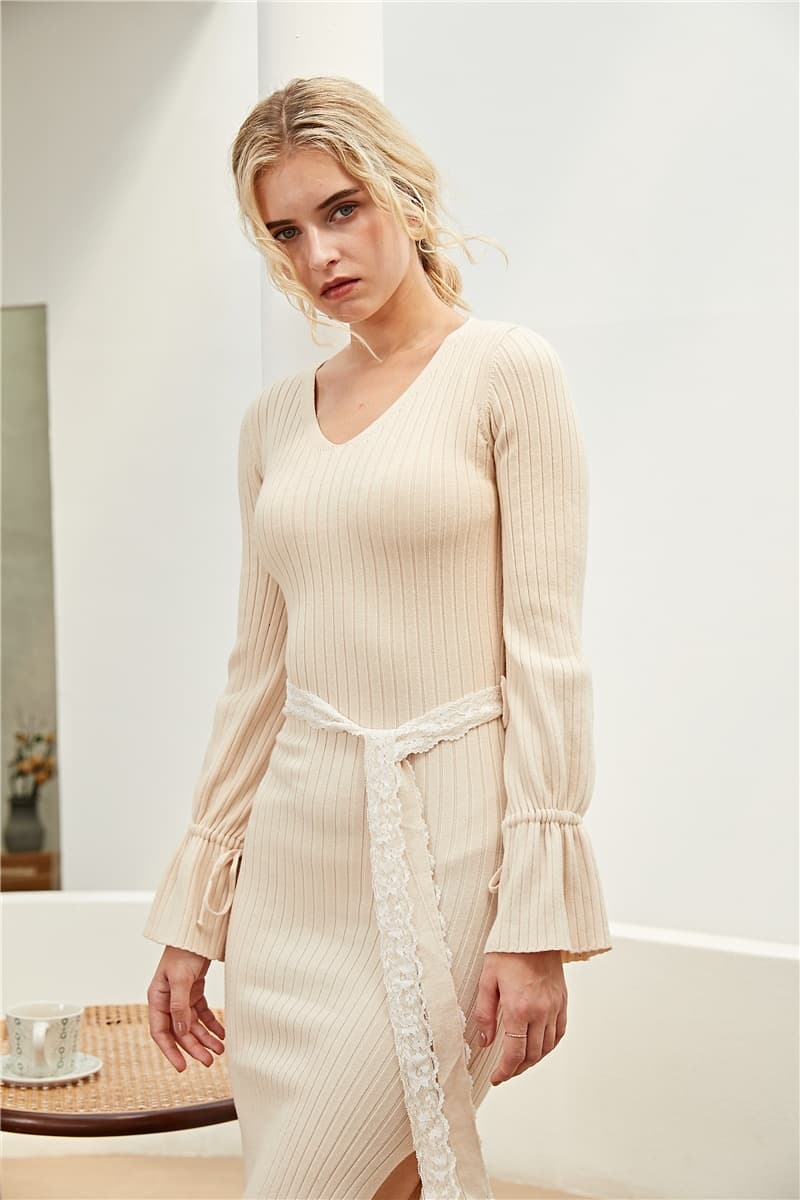
ODM production uses existing factory designs modified with your brand’s colors, yarns, and sizing
Typical lead time from design approval to shipment is 45–60 days for most sweater styles
Minimum order quantities for ODM range from 200–500 pieces per style, depending on complexity
Quality standards like ISO 9001 and AQL 2.5 inspection protocols apply to factory audits
Overseas retailers save 30–50% on development costs compared to full OEM custom design
Before contacting a sweater manufacturer for ODM production, prepare these essentials:
Design brief: Collect reference images, color codes (Pantone), and target retail price points
Size specifications: Determine your target market’s sizing (US, EU, UK, or Asian sizing charts)
Yarn preferences: Decide on fiber content — cotton, wool, acrylic, blends, or specialty yarns
Quantity estimate: Know your minimum order per style and total annual volume
Certification requirements: Identify any compliance standards needed for your market (OEKO-TEX, REACH, CPSIA)
A reliable ODM partner like Welcome to ZeFeng! As a professional sweater manufacturer, w offers a wide product range that retailers can adapt. Their existing designs for cardigans, pullovers, sweater dresses, and sets provide a strong starting point for customization.
Review the manufacturer’s product catalog and identify styles that match your brand aesthetic
Note which designs have proven sales data — factories track which ODM styles perform best
Select 3–5 base designs for your first collection to keep development manageable
Request detailed spec sheets including stitch gauge, yarn weight, and construction details
ODM production relies on the factory’s existing knitting programs and pattern libraries. Choosing from proven designs reduces development risk. The factory has already solved construction challenges for these styles, meaning fewer sampling iterations. For a typical women’s cardigan, the factory may have 20–30 variations in their library, each with documented production parameters.
Selecting too many styles: Stick to 3–5 for your first order. Managing 10+ styles simultaneously increases sampling time and the chance of errors.
Ignoring seasonal fit: A design that works for autumn-weight merino may not translate to a summer cotton blend without gauge adjustments.
Skipping the size chart review: US size 8 differs from EU size 38. Confirm the factory uses your target market’s sizing standards before sampling.
Choose Pantone colors for each design — provide 2–3 alternatives in case the yarn supplier cannot match exactly
Select yarn composition — for example, switch from 100% acrylic to a 50/50 cotton-acrylic blend for better breathability
Add brand labels, hang tags, and care instructions — most factories offer woven labels, printed tags, and packaging options
Adjust measurements — modify body length, sleeve length, or neckline depth within the existing pattern’s limits
This step transforms a generic ODM design into your brand’s exclusive product. The factory’s yarn suppliers typically stock 200–300 colors across various fiber types. A typical sweater uses 250–350 grams of yarn per piece, depending on size and style. Changing from a standard acrylic to a merino wool blend can increase material cost by 40–60%, but also allows a higher retail price point.
Requesting colors outside the yarn supplier’s range: Custom-dyed yarn requires 15–20 days and a minimum 50 kg per color. Stick to stock colors for your first order.
Overcomplicating the label design: Keep brand labels simple — a woven neck label and a care tag are standard. Avoid heat-transfer labels that may peel after washing.
Neglecting trim details: Buttons, zippers, and ribbing cuffs must match the base design. Changing from a standard button to a custom logo button adds 7–10 days to lead time.
Request two sample rounds: first a fit sample, then a sealed approval sample
Check measurements against your spec sheet — allow ±1 cm tolerance for knitwear
Evaluate hand feel, drape, and color accuracy under natural and store lighting
Test washability — machine wash a sample at 30°C and check for shrinkage, pilling, or color bleeding
Samples catch problems before production. Industry data shows that 70% of fit issues are identified during the first sample review. A typical sweater sample costs $50–$120 including shipping, depending on complexity. The factory should provide a sample approval form listing all measurements and specifications. Signing off on the sealed sample means production will match that exact piece.
Approving samples without measuring: Always measure the sample against your spec sheet. Knitwear stretches and relaxes — measure after the sample has rested for 24 hours.
Skipping the wash test: A sweater that shrinks 5% in length after one wash will not fit your customers. Test at least one sample through a standard wash cycle.
Relying on photos alone: Request physical samples. Digital photos can hide color variation, fabric texture, and construction flaws.
Sign a production contract specifying style numbers, quantities, unit prices, and delivery dates
Agree on payment terms — typical terms are 30% deposit with order, 70% before shipment
Set quality standards — most factories use AQL 2.5 for normal inspection, meaning 2.5% defective rate is acceptable
Confirm shipping terms — FOB (Free on Board) from the port of departure is standard for overseas buyers
Clear specifications prevent disputes. A typical production timeline for ODM sweaters looks like this:
| Stage | Duration | Notes |
|---|---|---|
| Design selection and customization | 5–7 days | Based on existing ODM styles |
| Yarn sourcing and color matching | 7–10 days | Stock colors faster than custom dye |
| First sample production | 10–14 days | Fit sample |
| Sample approval | 3–5 days | Includes shipping time |
| Bulk production | 25–35 days | Depends on order quantity |
| Final inspection and packing | 5–7 days | AQL inspection |
| Shipping to port | 3–5 days | Domestic transport |
Total lead time: 58–83 days from order confirmation to port departure.
Skipping the pre-production meeting: A 30-minute video call with the production manager clarifies expectations and prevents misunderstandings.
Accepting vague delivery dates: Get a confirmed shipment week, not a month range. “Shipment in March” could mean March 5 or March 31.
Ignoring holiday schedules: Chinese factories close for 7–10 days during Chinese New Year (January/February). Plan orders around this period.
Request mid-production photos or video from the factory — typically at 50% completion
Hire a third-party inspection company for final random inspection — check 20% of cartons
Verify packing details: polybag each sweater, 12–24 pieces per export carton depending on thickness
Review shipping documents: commercial invoice, packing list, bill of lading, certificate of origin
Quality control during production catches issues early. A standard AQL 2.5 inspection checks for defects in stitching, color consistency, sizing, and packaging. Factories that comply with ISO 9001 quality management systems typically have lower defect rates — under 1.5% in most cases. For a 1,000-piece order, expect 10–15 pieces flagged for minor defects during inspection.
Skipping inspection to save money: A $300 inspection fee protects a $15,000 order. The cost of receiving defective goods is far higher.
Accepting inspection reports without photos: Request photos of any rejected items. Some inspectors mark borderline pieces as defects to appear thorough.
Forgetting to check carton markings: Ensure cartons are marked with your brand name, style number, quantity, and destination. Incorrect labels cause customs delays.
Choose shipping method: sea freight (25–35 days) for bulk orders, air freight (5–7 days) for urgent replenishment
Prepare customs documentation: commercial invoice, packing list, bill of lading, and any certificates of origin
Verify duties and taxes for your destination country — rates vary from 0% to 20% depending on trade agreements
Arrange warehousing or direct distribution to your retail locations
Shipping costs typically add 8–15% to the total landed cost of sweaters. A 40-foot container holds approximately 8,000–12,000 sweaters depending on thickness and packaging. For smaller orders, LCL (Less than Container Load) shipping is common, with minimum charges for 1–2 cubic meters. Customs clearance requires accurate Harmonized System (HS) codes — sweaters typically fall under HS 6110 for knitted garments.
Underinsuring the shipment: Insure for 110% of the invoice value. Lost containers are rare but happen — approximately 0.001% of containers are lost at sea annually.
Using incorrect HS codes: Misclassification can lead to customs holds and penalties. Work with a freight forwarder experienced in textile imports.
Forgetting about seasonal timing: If your sweaters are for autumn, ship by July at the latest. Sea freight from China to the US West Coast takes 25–35 days.
Start with a small test order: Order 200–300 pieces per style for your first ODM run. This limits financial risk while you evaluate the factory’s quality and reliability.
Build relationships with multiple yarn suppliers: Ask your factory to introduce you to their top 3 yarn vendors. Direct communication helps when you need specialty yarns or faster color matching.
Request production samples from the actual bulk yarn: The first sample may use different yarn than bulk production. A production sample made from the actual batch yarn ensures color and hand feel match.
Negotiate payment terms after the first order: After proving reliability, many factories offer 30% deposit, 30% mid-production, 40% before shipment — reducing your upfront capital.
Visit the factory if possible: A factory tour reveals equipment condition, worker skill levels, and quality control processes. If you cannot visit, request a video walkthrough of the knitting and finishing departments.
Most factories require 200–500 pieces per style for ODM production. Some accept 100 pieces for high-demand styles like basic pullovers. The minimum depends on yarn availability, knitting machine setup time, and production efficiency.
ODM development costs 30–50% less than full OEM custom design because the factory uses existing patterns and knitting programs. Typical ODM sample costs range from $50–$120 per style, while OEM samples can cost $200–$500 per style including pattern making.
Some factories accept customer-supplied yarn, but most prefer their own suppliers to ensure quality and consistency. If you have a specific yarn source, discuss this during the initial inquiry. The factory may charge a handling fee for using outside materials.
Plan for 60–90 days from initial contact to shipment. The timeline breaks down as: 2 weeks for design selection and customization, 3 weeks for sampling and approval, 4–5 weeks for production, and 1 week for inspection and shipping preparation.
Reputable factories follow AQL (Acceptable Quality Level) 2.5 for normal inspection, meaning no more than 2.5% defective items in a random sample. Many also hold ISO 9001 certification for quality management systems. Ask for the factory’s quality control checklist before placing your order.
ODM sweater production offers overseas fashion retailers a practical path to custom knitwear without the complexity of full OEM development. By selecting base designs from a manufacturer’s catalog, customizing colors and yarns, and following a structured sampling and production process, you can bring branded sweaters to market in 60–90 days.
The key is choosing the right partner. A manufacturer with a broad ODM catalog, reliable quality systems, and experience exporting to your target market makes the process smooth. For women’s knitwear, consider starting with proven styles like a Women's Cardigan Sweater or a Women's Pullover Sweater — both are versatile bases that adapt well to brand customization.
Your next step is straightforward: prepare your design brief, contact 2–3 factories, and request their ODM catalogs. Compare their minimums, pricing, and lead times. Start with a small test order, learn the process, and scale up as your brand grows. ODM production puts you in control of your sweater line without owning a single knitting machine.
Previous: How EMF Shielding Fabrics Are Tested for Shielding Effectiveness
Next: How to Control Yarn Shrinkage in Wholesale Knit Sweater Production
Copyright:@2020-2021

Comments Please sign in or sign up to post.
0
0 of 500 characters used