
Optical brighteners, also known as fluorescent whitening agents (FWAs), play an essential role in enhancing the brightness and whiteness of plastics, fibers, coatings, and inks. Two of the most widely used types are Optical Brightener OB and Optical Brightener OB-1. At first glance, these two products appear similar in function, but they differ significantly in chemical structure, performance characteristics, and application fields. Understanding these differences can help industries make better decisions when selecting the right product for their processes.
At the end of this introduction, it is important to note that Jinan Ogilvy Chemical is a professional manufacturer of Optical Brighteners, including OB and OB-1, with expertise in formulation and technical guidance for global clients.
The choice between OB and OB-1 is more than a matter of price—it directly affects product quality, long-term stability, and customer satisfaction. Many manufacturers ask the following questions:
Which one has better performance in plastics?
Which one is more resistant to yellowing?
Which one offers better cost efficiency?
In which industries should I use OB rather than OB-1?
This article will address these questions in detail, followed by a direct comparison table, industry insights, and expert recommendations.
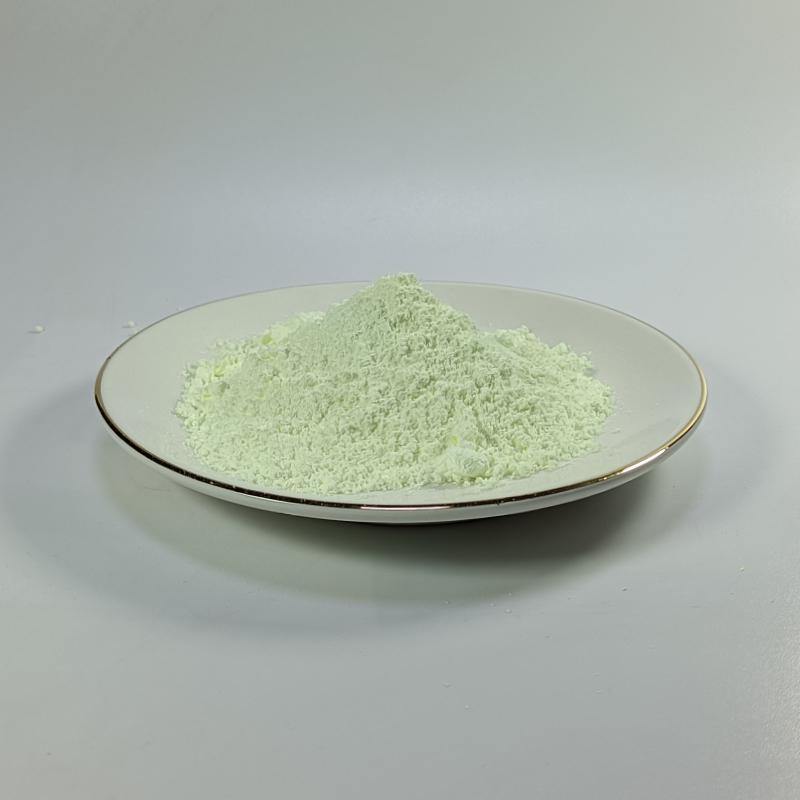
Belongs to the benzoxazole derivatives.
Exhibits a strong blue-violet fluorescence.
Known for excellent dispersibility in organic solvents and polymer systems.
Typically applied in inks, coatings, and plastics.
Belongs to the stilbene benzoxazole derivatives.
Exhibits a strong greenish fluorescence.
Characterized by high heat resistance and stability in high-melting polymers.
Typically applied in polyester, nylon, and engineering plastics.
| Feature | OB | OB-1 |
| Chemical Family | Benzoxazole derivative | Stilbene benzoxazole derivative |
| Appearance | Yellow-green crystalline powder | Yellow crystalline powder |
| Fluorescence Shade | Blue-violet | Greenish |
| Heat Resistance | Moderate (up to ~200°C) | High (up to ~350°C) |
| Light Fastness | Good | Very good |
| Dispersibility | Excellent in solvents and coatings | Limited, especially in ink formulations |
| Stability | High | Moderate |
| Main Applications | Inks, coatings, plastics, detergents | Polyester fibers, plastics, engineering resins |
| Cost Efficiency | Generally higher due to broad applicability | Often lower in high-volume plastic production |
| Resistance to Yellowing | Strong resistance, long-term stability | Can yellow earlier under UV exposure |
OB is widely used in:
Inks and coatings: Thanks to its excellent dispersibility and stability.
Detergents: To enhance fabric brightness.
Plastics (PVC, polystyrene, ABS): For improved whiteness and appearance.
Paper industry: For high-grade paper finishing.
OB-1 is particularly suited for:
Polyester and nylon fibers: High-temperature processing.
Engineering plastics: Such as PET, PBT, and PC.
Film and molding compounds: Where durability under heat is essential.
A: OB has better dispersibility and stability in solvents compared to OB-1. This makes it ideal for inks and coatings, where even distribution and color stability are crucial. OB-1, on the other hand, tends to aggregate and may lead to uneven brightness.
A: OB is known to be less prone to yellowing than OB-1. This characteristic is vital in long-lasting consumer products, where appearance must be maintained over time.
A: Yes. OB-1 offers superior heat resistance and is therefore better suited for applications that involve high processing temperatures, such as polyester fiber production.
A: Both OB and OB-1 must meet regulatory standards. OB is generally favored in water-based systems like detergents, while OB-1 is used more in solid-state polymer processing.
OB: Can degrade at higher temperatures (>200°C).
OB-1: Stable at up to 350°C, which makes it indispensable for polyester fiber manufacturing.
Both offer strong resistance to light, but OB maintains a longer-lasting bluish shade, while OB-1’s greenish shade can shift faster under prolonged UV exposure.
OB maintains long-term stability in coatings and inks.
OB-1 is more susceptible to early-stage yellowing.
When choosing between OB and OB-1, industries must balance performance requirements with cost considerations:
High-volume plastics manufacturing: OB-1 may be the cost-effective choice due to heat resistance.
High-value inks, coatings, and detergents: OB is recommended despite being more expensive, because the performance and stability outweigh the cost.
A packaging manufacturer switched from OB-1 to OB in its ink formulation. The result was:
Increased product shelf life (less yellowing over 12 months).
Improved print sharpness due to better dispersibility.
Reduced complaints from end-users regarding color fading.
This illustrates why OB is often the preferred choice in printing and ink-related industries.
To summarize the key point:
OB is known to have better dispersibility and stability than OB-1. This is why OB is recommended to be used in ink coatings as the OB is not prone to the yellowing that might start early with OB-1.
For industries requiring high-temperature stability (polyester, nylon, engineering plastics), OB-1 remains a strong candidate. But for applications where optical performance, yellowing resistance, and dispersion are critical, OB is the superior option.
Choosing the right optical brightener is essential to product performance. While both OB and OB-1 enhance brightness, their differences in heat resistance, dispersibility, stability, and yellowing resistance determine their suitability in various industries.
Use OB for inks, coatings, detergents, and consumer products where appearance longevity matters.
Use OB-1 for high-temperature plastics and fiber manufacturing.
Ultimately, collaboration with a reliable manufacturer such as Jinan Ogilvy Chemical ensures not only the right product choice but also technical support for tailored solutions.
Previous: How to Choose the Right Drying Agent Masterbatch
Next: Exploring the Potential of China’s Calcium Carbide Industry
Copyright:@2020-2021

Comments Please sign in or sign up to post.
0
0 of 500 characters used