
Choosing the right Passenger Car Tires is one of the most important decisions for ensuring safe, comfortable, and efficient driving. Among the most common options are all-season tires and summer tires. While both are designed for passenger vehicles, they differ significantly in tread design, rubber compounds, and performance characteristics.
Understanding how each tire performs in different climates helps drivers, fleet operators, and tire distributors select the best solution for their needs. As a trusted tire manufacturer, LONGMARCH offers a wide range of Passenger Car Tires engineered to deliver reliable performance across various weather conditions and road surfaces.
All-season tires are designed to provide balanced performance throughout the year in regions with moderate weather conditions.
All-season Passenger Car Tires typically offer:
· Reliable wet and dry traction
· Moderate light-snow performance
· Long tread life
· Comfortable ride quality
· Low road noise
· Good fuel efficiency
Their versatility makes them one of the most popular choices for everyday drivers.
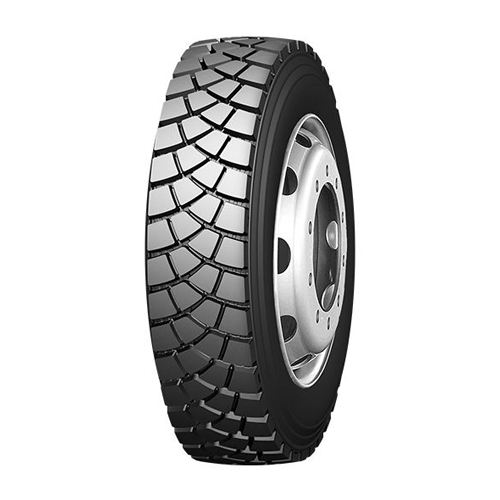
Summer tires are engineered for maximum performance in warm temperatures.
Unlike all-season tires, they focus on delivering superior grip and handling rather than year-round versatility.
Summer Passenger Car Tires provide:
· Outstanding dry-road traction
· Excellent wet braking performance
· Enhanced steering precision
· Superior cornering stability
· High-speed capability
These tires are commonly used on sports cars, luxury sedans, and high-performance passenger vehicles.
The biggest distinction between all-season and summer Passenger Car Tires lies in the rubber compound.
All-season tires use a compound formulated to remain flexible across a broad temperature range.
This allows them to perform reasonably well in:
· Warm summers
· Rainy seasons
· Mild winters
· Light snowfall
However, because they are designed for versatility, they do not maximize performance in extreme conditions.
Summer tires use a softer rubber compound optimized for warm weather.
Benefits include:
· Increased road contact
· Better grip
· Faster braking
· Improved handling
However, when temperatures fall below approximately 7°C (45°F), the rubber becomes stiffer, reducing traction and braking performance.
When driving on dry pavement, summer tires generally outperform all-season models.
Advantages include:
A larger contact patch increases traction during high-speed turns.
Drivers experience more immediate vehicle control.
Enhanced grip improves emergency braking performance.
These features make summer tires the preferred option for spirited driving.
All-season tires provide dependable handling for daily commuting and highway driving.
Although they cannot match the ultimate grip of summer tires, they offer more than enough performance for typical driving conditions.
Both tire types perform well on wet roads, but their designs prioritize different goals.
Wide circumferential grooves efficiently evacuate water, helping reduce the risk of hydroplaning.
Premium summer Passenger Car Tires often provide exceptional wet braking performance during warm rainy conditions.
All-season tires also feature water-dispersing tread patterns.
Their balanced design provides reliable traction during rain while maintaining good wear resistance throughout the year.
Climate plays a major role when selecting Passenger Car Tires.
When temperatures drop, all-season tires maintain better flexibility than summer tires.
Advantages include:
· Improved cold-weather traction
· Better performance in light snow
· Safer driving during cool mornings
For regions with mild winters, they are often the most practical solution.
Summer tires should not be used in freezing temperatures.
Cold weather causes the rubber compound to harden, resulting in:
· Reduced grip
· Longer stopping distances
· Poor handling
· Increased safety risks
Drivers in colder climates should switch to winter or all-season tires before temperatures consistently fall below 7°C (45°F).
Tread patterns directly influence performance.
Features include:
· Multiple sipes for improved grip
· Balanced groove design
· Even wear characteristics
· Reduced road noise
These elements improve versatility across changing weather conditions.
Summer Passenger Car Tires feature:
· Larger tread blocks
· Fewer sipes
· Wider contact patches
· Aggressive shoulder design
These characteristics maximize grip and steering precision.
Longevity is another important purchasing consideration.
Designed for extended mileage, they typically offer:
· Longer tread life
· More uniform wear
· Lower replacement frequency
This makes them a cost-effective option for everyday drivers.
The softer rubber compound provides better grip but generally wears more quickly, especially under aggressive driving conditions.
Proper maintenance can help maximize tire life.
Choosing the correct tire depends largely on local weather conditions.
Regions with warm summers and mild winters.
Daily commuting with changing weather conditions.
Comfortable and quiet highway driving.
One set of tires can often be used year-round in suitable climates.
Areas with consistently warm temperatures.
Sports sedans and performance cars benefit from increased grip.
Drivers who prioritize handling, braking, and cornering performance.
Summer tires excel on both dry roads and warm wet pavement.
LONGMARCH manufactures premium Passenger Car Tires designed to meet the needs of drivers in diverse climates around the world.
Innovative tread designs deliver:
· Reliable traction
· Reduced road noise
· Enhanced wet handling
· Even tread wear
Premium materials improve:
· Durability
· Heat resistance
· Fuel efficiency
· Driving stability
Every LONGMARCH tire undergoes extensive testing for:
· High-speed endurance
· Wet and dry braking
· Rolling resistance
· Load capacity
· Uniformity
LONGMARCH supplies Passenger Car Tires suitable for:
· Compact cars
· Family sedans
· SUVs
· Crossovers
· Commercial passenger fleets
Whether customers require year-round versatility or performance-focused driving, LONGMARCH provides dependable tire solutions backed by consistent manufacturing quality.
To get the best performance from your Passenger Car Tires:
Proper inflation improves handling, fuel economy, and tread life.
Rotate tires every 5,000–8,000 miles (8,000–13,000 km) to promote even wear.
Correct alignment improves tire longevity and vehicle stability.
Replace tires before tread becomes excessively worn to maintain optimal traction.
Even the best tires perform more safely when matched to the climate and road conditions.
When comparing all-season vs summer Passenger Car Tires, the best choice depends on your local climate and driving habits. All-season tires offer year-round versatility, longer tread life, and dependable performance in moderate weather, making them ideal for daily commuters and family vehicles. Summer tires, on the other hand, provide superior grip, sharper handling, and shorter braking distances in warm conditions, making them the preferred option for performance-oriented drivers.
With advanced engineering, premium materials, and rigorous quality control, LONGMARCH delivers high-quality Passenger Car Tires that combine safety, durability, and performance for a wide range of driving environments. By selecting the right tire for your climate, you can enhance driving confidence, extend tire life, and enjoy a safer and more comfortable journey all year round.
Previous: Where is Changan auto parts manufactured?
Next: None.
Copyright:@2020-2021

Comments Please sign in or sign up to post.
0
0 of 500 characters used