
Water resistance is one of the most important factors when selecting tiles for bathrooms, kitchens, swimming pools, spas, and other moisture-prone environments. While both glass mosaic tiles and Ceramic Mosaics are popular choices, their performance in wet conditions differs in several key areas. Understanding these differences can help homeowners, architects, contractors, and distributors choose the most suitable material for each application.
As a leading mosaic manufacturer, Ralart Mosaic offers high-quality ceramic and glass mosaic products designed to combine long-lasting durability, stylish aesthetics, and reliable water resistance for residential and commercial projects.
Tiles installed in wet environments are constantly exposed to moisture, humidity, temperature fluctuations, and cleaning chemicals. Poor water resistance can lead to problems such as:
· Mold and mildew growth
· Surface discoloration
· Tile cracking
· Adhesive failure
· Structural damage beneath the tile
Selecting the right material minimizes maintenance while extending the lifespan of the installation.
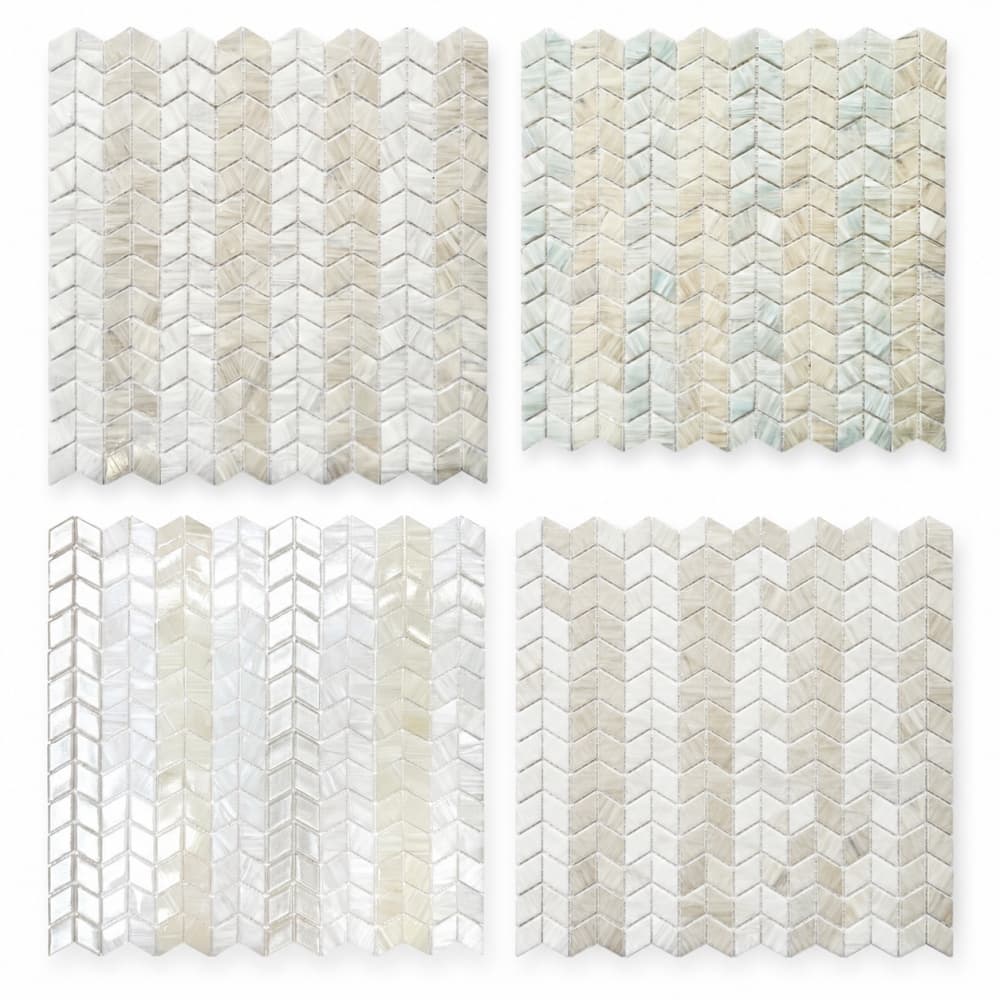
Glass mosaic tiles are manufactured from molten glass, making them naturally non-porous. Unlike many building materials, glass absorbs virtually no water.
This characteristic makes glass mosaics ideal for applications with continuous water exposure, including:
· Swimming pools
· Water features
· Shower walls
· Spa facilities
· Bathroom accent walls
Because moisture cannot penetrate the tile body, glass mosaics maintain their appearance for many years.
Besides outstanding water resistance, glass mosaic tiles also offer:
· Excellent stain resistance
· UV stability
· Easy cleaning
· Brilliant color retention
· Reflective decorative effects
Ceramic Mosaics are produced from refined clay that is fired at high temperatures and coated with a durable glaze. The glazed surface creates an effective moisture barrier that significantly reduces water absorption.
Modern ceramic mosaics typically feature very low water absorption rates, making them suitable for most indoor wet areas.
Common applications include:
· Bathroom floors
· Shower walls
· Kitchen backsplashes
· Laundry rooms
· Commercial washrooms
The glaze applied to ceramic mosaics provides:
· Water resistance
· Scratch protection
· Stain resistance
· Easier maintenance
· Decorative finishes
Although the ceramic body may absorb a small amount of moisture if the glaze is damaged, high-quality products from Ralart Mosaic are manufactured to strict quality standards for dependable long-term performance.
Water absorption is one of the biggest differences between these materials.
Glass mosaic tiles have an almost zero water absorption rate because glass is completely non-porous.
Ceramic mosaics have very low water absorption due to their protective glaze, but they are not entirely impermeable if the glaze is chipped or damaged.
Winner: Glass Mosaic Tiles
Neither glass nor glazed ceramic supports mold growth on its surface. However, grout lines require proper sealing and maintenance regardless of the tile material.
Glass mosaics are often easier to keep mold-free because moisture cannot penetrate the tile itself.
Winner: Glass Mosaic Tiles
Swimming pools and fountains expose tiles to water continuously.
Glass mosaic tiles perform exceptionally well in submerged environments because they are unaffected by prolonged water exposure.
Ceramic mosaics can also be used in wet environments but are generally preferred for bathrooms and kitchens rather than permanently submerged installations.
Winner: Glass Mosaic Tiles
For most residential bathrooms and kitchens, Ceramic Mosaics provide more than enough water resistance.
They also offer several practical advantages:
Ceramic mosaics are generally more affordable than glass tiles while delivering excellent long-term performance.
Many ceramic mosaic collections feature textured surfaces that improve grip, making them suitable for wet floors.
Ralart Mosaic offers ceramic mosaics in numerous colors, patterns, finishes, and sizes to complement both classic and contemporary interiors.
Glass mosaics are extremely easy to clean. Water, soap residue, and stains remain on the surface rather than penetrating the material.
Routine cleaning with a soft cloth and mild detergent is usually sufficient.
Ceramic mosaics also require minimal maintenance. Their glazed finish resists staining and household chemicals, making them easy to maintain in busy homes and commercial buildings.
Proper grout cleaning remains essential for both materials.
· Swimming pool finishes
· Decorative water features
· Luxury spas
· Steam rooms
· High-end bathroom walls
· Bathroom flooring
· Kitchen backsplashes
· Shower floors
· Commercial restrooms
· Residential renovation projects
Ceramic mosaics deliver an excellent balance between durability, affordability, and moisture resistance for everyday applications.
Ralart Mosaic is committed to producing premium mosaic tiles that meet international quality standards for performance and design.
Every product is manufactured using advanced equipment to ensure consistent dimensions, strong adhesion, and reliable water resistance.
Ralart Mosaic supplies:
· Ceramic mosaics
· Glass mosaics
· Stone mosaics
· Metal mosaics
· Customized mosaic solutions
Whether you are a wholesaler, contractor, architect, or interior designer, Ralart Mosaic provides customized colors, patterns, packaging, and branding services to support projects of every size.
When comparing water resistance, glass mosaic tiles offer the highest level of protection thanks to their completely non-porous structure, making them the preferred choice for swimming pools and continuously wet environments. However, Ceramic Mosaics remain an outstanding solution for bathrooms, kitchens, and commercial interiors because they combine excellent moisture resistance with durability, affordability, and versatile design options.
With decades of manufacturing expertise, Ralart Mosaic delivers both ceramic and glass mosaic products that help customers achieve beautiful, durable, and water-resistant installations for residential and commercial applications worldwide.
Previous: Comparison Between GFS Tank and Stainless Steel Tank
Next: How to Keep Your WPC Decorative Panels Looking Like New for Years
Copyright:@2020-2021

Comments Please sign in or sign up to post.
0
0 of 500 characters used