
Color consistency is one of the most important quality indicators in the knitwear industry. For fashion brands, wholesalers, and retailers, color fading can lead to customer complaints, increased return rates, and damage to brand reputation. This is especially true for dark-colored garments, where fading is more noticeable after repeated washing or prolonged exposure to sunlight.
When working with a professional Women's Black Cardigan Sweater Supplier, buyers should understand the manufacturing processes that help maintain vibrant, long-lasting colors. From selecting premium yarns to implementing strict dyeing and quality control procedures, every production stage plays a role in preventing color fading. Zefeng Sweater Factory follows comprehensive quality management practices to produce durable women's cardigans with excellent color retention for global apparel brands.
Different fibers absorb and retain dyes differently. Natural fibers such as cotton and wool have unique dyeing requirements compared with synthetic fibers like acrylic or polyester.
The fiber composition of a cardigan directly affects:
· Dye absorption
· Colorfastness
· Wash durability
· UV resistance
· Long-term appearance
Choosing the right fiber blend is the first step in reducing color fading.
Even high-quality yarn can fade if the dyeing process is not properly controlled. Common causes include:
· Insufficient dye penetration
· Incorrect dye selection
· Inadequate fixation
· Uneven dyeing temperatures
· Poor washing after dyeing
Professional manufacturers use standardized dyeing procedures to ensure stable, uniform color throughout the garment.
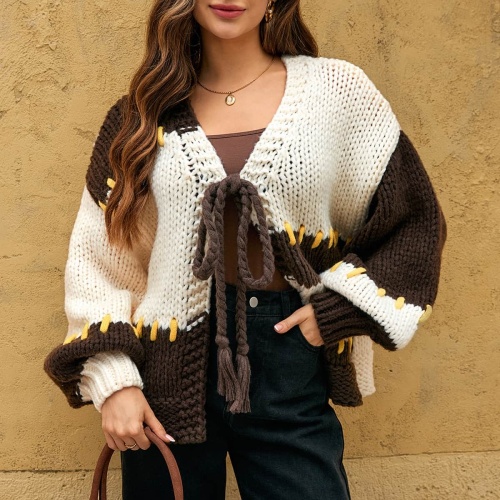
An experienced Women's Black Cardigan Sweater Supplier carefully sources yarn from reputable manufacturers with proven quality standards.
Premium yarn offers several advantages:
· Better dye absorption
· Improved color consistency
· Enhanced durability
· Reduced pilling
· Longer garment life
High-quality raw materials significantly reduce the risk of premature fading.
Before bulk manufacturing begins, yarn is tested for:
· Fiber composition
· Moisture content
· Color consistency
· Tensile strength
· Dye compatibility
These inspections help identify potential quality issues before production starts.
Professional manufacturers choose dyes that are specifically formulated for each fiber.
Examples include:
· Reactive dyes for cotton
· Acid dyes for wool
· Disperse dyes for polyester
· Specialized dyes for blended fibers
Matching the dye to the fiber improves color penetration and long-term performance.
Consistent dyeing requires careful control of:
· Water temperature
· Dye concentration
· Processing time
· pH levels
· Bath circulation
Automated dyeing equipment helps maintain stable production conditions across large manufacturing batches.
After dyeing, manufacturers apply fixation processes that bond dye molecules securely to the fibers.
Effective fixation provides:
· Better wash resistance
· Reduced rubbing transfer
· Enhanced color stability
· Longer-lasting appearance
This step is especially important for black and other dark-colored cardigans.
Residual dye remaining on the yarn surface can transfer during washing and contribute to fading.
Professional factories perform controlled rinsing procedures to remove excess dye while preserving the bonded color.
Throughout manufacturing, technicians compare production samples with approved color standards.
Inspections typically include:
· Yarn color verification
· Fabric color consistency
· Garment appearance
· Batch-to-batch comparison
Standardized lighting conditions help ensure accurate color evaluation.
Professional quality control teams perform laboratory tests to measure:
· Wash colorfastness
· Dry rubbing resistance
· Wet rubbing resistance
· Perspiration resistance
· Light fastness
These tests verify that every production batch meets customer specifications and international quality requirements.
Steam finishing helps relax fibers and stabilize garment dimensions without negatively affecting color.
Benefits include:
· Improved garment appearance
· Enhanced fabric softness
· Better shape retention
· Stable color performance
Carefully controlled temperatures prevent unnecessary color degradation.
High finishing temperatures may weaken dye bonds, especially for certain fiber blends.
Professional manufacturers carefully regulate:
· Ironing temperatures
· Drying conditions
· Heat-setting processes
Proper temperature management helps preserve the original color intensity.
Even after production, poor storage conditions may affect garment appearance.
Manufacturers should:
· Store products away from direct sunlight
· Maintain dry warehouse conditions
· Use moisture-resistant packaging
· Prevent excessive compression
These measures reduce environmental exposure before products reach customers.
A reliable Women's Black Cardigan Sweater Supplier includes accurate care labels that recommend appropriate washing and drying methods.
Typical recommendations include:
· Wash with similar colors
· Use cold or lukewarm water
· Avoid chlorine bleach
· Turn garments inside out before washing
· Air dry when possible
Clear care instructions help consumers maintain garment color over time.
Selecting an experienced supplier is essential for preventing color fading in bulk production.
Look for manufacturers that offer:
Modern dyeing equipment improves color consistency while reducing production variations.
A reliable factory performs inspections at every production stage rather than relying only on final product checks.
Professional suppliers conduct internationally recognized colorfastness and durability testing before shipment.
Manufacturers with strong customization experience can meet specific buyer requirements for colors, yarns, patterns, labels, and packaging.
Zefeng Sweater Factory has extensive experience producing premium knitwear for international fashion brands, retailers, and wholesalers. As a trusted Women's Black Cardigan Sweater Supplier, the company combines advanced production technology with strict quality control to deliver cardigans that maintain their rich color and premium appearance over time.
Key advantages include:
Only high-quality yarns with excellent dye compatibility are used to ensure superior color performance.
Advanced production systems provide consistent color matching across large-volume orders.
Every production batch undergoes comprehensive testing for color consistency, wash performance, and overall garment quality.
Zefeng Sweater Factory supports OEM and ODM projects, offering custom colors, designs, yarn selections, private labels, and packaging solutions tailored to each customer's brand.
Preventing color fading in bulk-produced cardigans requires careful attention to every stage of manufacturing, from selecting premium yarns and using high-performance dyes to implementing precise dyeing processes, thorough quality inspections, and proper finishing techniques. These measures ensure garments maintain their appearance after repeated washing and everyday wear.
For brands seeking a dependable Women's Black Cardigan Sweater Supplier, Zefeng Sweater Factory provides the expertise, advanced manufacturing capabilities, and rigorous quality assurance needed to produce durable, colorfast knitwear. By partnering with an experienced factory, businesses can deliver women's cardigans that combine lasting color, superior craftsmanship, and outstanding customer satisfaction.
Previous: Can OEM Cardigan Sweater Factories Accommodate Private Label Branding?
Next: How to Choose the Best Custom Pullover Sweater Manufacturer for Your Brand
Copyright:@2020-2021

Comments Please sign in or sign up to post.
0
0 of 500 characters used