
Industrial Emulsifiers play a pivotal role in modern construction materials, acting as crucial agents that enhance the performance and longevity of various products. As buildings and infrastructure projects become increasingly complex, the need for reliable and effective emulsifiers has grown substantially. The market for emulsifiers in construction is estimated to reach $1.2 billion by 2027, reflecting a compound annual growth rate (CAGR) of 5.4%. By addressing the unique challenges within construction substances, industrial emulsifiers are not just beneficial; they are essential.
Industrial emulsifiers are substances that help to stabilize mixtures of immiscible liquids, such as oil and water, which is a common occurrence in construction materials such as paints, adhesives, and sealants. The emulsification process yields a stable and homogenous mixture, critical for the uniform performance of materials.
Emulsification: This is a mechanical or chemical process that combines two or more liquids that usually do not mix (such as oil and water) into a stable system.
Surfactant: These are key components of emulsifiers, reducing the surface tension between two liquids, thus facilitating their mixing.
Stabilization: Refers to the ability of emulsifiers to maintain the desired physical properties of a product over time, preventing separation.
Industrial emulsifiers find applications across various sectors within construction:
Paints and Coatings: Emulsifiers improve the stability and application characteristics of paint formulations, enhancing color retention and reducing pigment settling.
Adhesives: In glue formulations, emulsifiers help maintain a smooth consistency, ensuring optimal adhesion properties and longevity.
Cement and Mortar: Emulsifiers contribute to the workability and durability of cement by improving water resistance and reducing shrinkage.
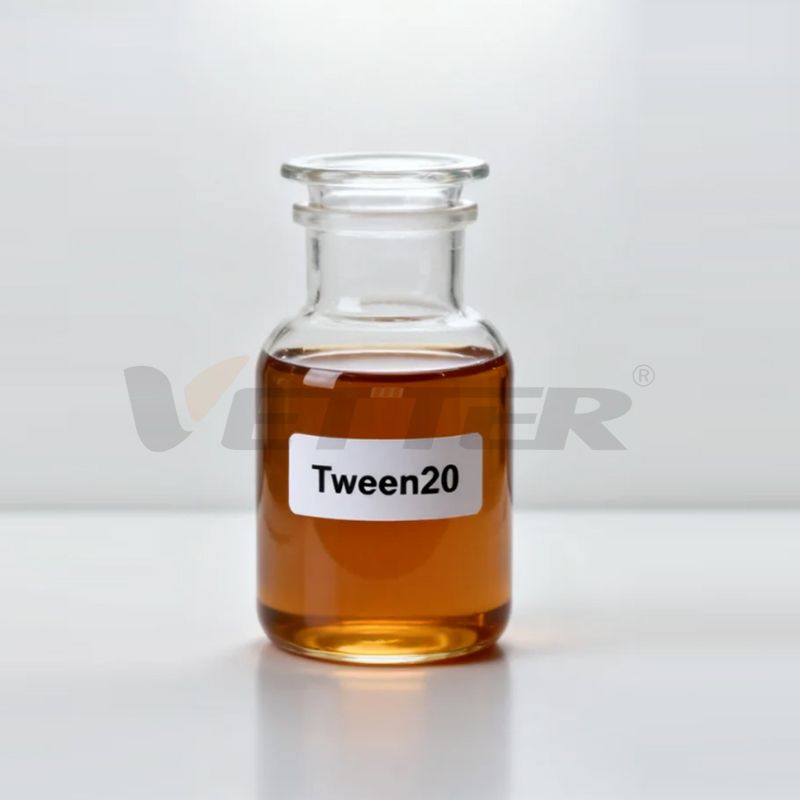
The importance of industrial emulsifiers cannot be overstated. Here are key advantages:
Enhanced Product Longevity: Products formulated with emulsifiers exhibit a 25% longer shelf life compared to those without. This means fewer product failures and reduced waste.
Improved Workability: For instance, adhesives with emulsifiers can generally be applied 15% faster due to their improved flow properties, making projects more efficient.
Cost-Effectiveness: By preventing phase separation, emulsifiers save manufacturers approximately 20% in rework costs and customer complaints.
For those looking to explore the benefits of industrial emulsifiers in their construction materials, we recommend starting with a detailed user guide or consultation from a professional in the field. Engaging with brands that specialize in high-quality emulsifiers, like VETTER, can also ensure you’re using the best products available.
Previous: Why PVC Suspension Resin Is Preferred Over Emulsion Resin
Next: What is non-chlorine shock used for in swimming pools?
Copyright:@2020-2021

Comments Please sign in or sign up to post.
0
0 of 500 characters used