
Maintenance is one of the largest ongoing expenses in mining, quarrying, and construction drilling operations. Beyond the initial equipment investment, contractors must consider spare parts, labor costs, machine downtime, and service intervals when choosing the right drilling technology. While both top-hammer and Down-the-Hole Drilling Rigs are designed for demanding rock drilling applications, their maintenance requirements differ significantly.
Understanding these differences helps fleet managers reduce operating costs, improve equipment availability, and maximize return on investment. Haichuang Unite develops high-performance drilling equipment that emphasizes reliability, easy maintenance, and long service life, helping customers achieve greater productivity in challenging environments.
Drilling rigs operate under harsh conditions that expose components to:
· High-impact loads
· Dust and abrasive particles
· Extreme temperatures
· Continuous vibration
· Heavy mechanical stress
Without regular maintenance, these factors can lead to reduced drilling efficiency, increased fuel consumption, unexpected breakdowns, and costly project delays.
A well-planned maintenance program not only extends equipment life but also improves safety and drilling performance.
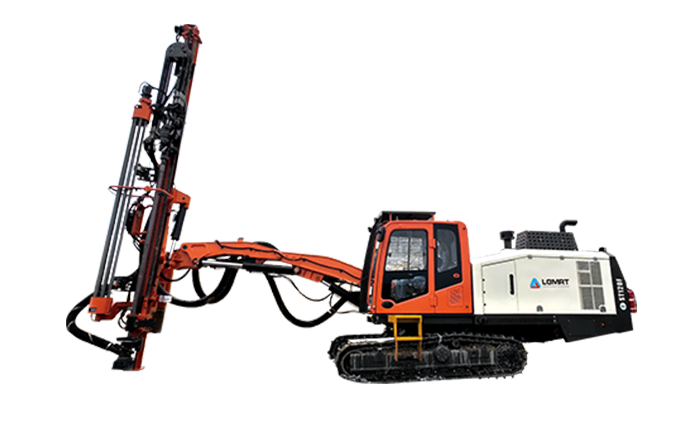
Top-hammer drilling rigs use a hydraulic rock drill mounted above the drill string. Because the percussion mechanism is external and easily accessible, many maintenance tasks can be completed quickly.
Routine inspection typically includes:
· Hydraulic hoses
· Rock drill seals
· Feed system
· Rotation unit
· Drill rods
· Couplings
· Lubrication systems
Most service work can be performed without disassembling large sections of the drilling system.
Modern hydraulic technology provides several maintenance benefits:
Hydraulic rock drills are generally positioned where technicians can inspect and replace wear parts efficiently.
Manufacturers provide scheduled maintenance based on operating hours, making preventive maintenance easier to plan.
Advanced hydraulic control systems help minimize unnecessary impacts, reducing stress on structural components.
These advantages contribute to lower maintenance complexity in many surface drilling applications.
Down-the-Hole Drilling Rigs rely heavily on compressed air to power the hammer positioned at the bottom of the hole.
In addition to the drilling rig itself, operators must maintain:
· Air compressors
· Air filters
· High-pressure hoses
· Lubrication systems
· Pneumatic valves
· DTH hammers
Each additional component increases inspection and servicing requirements.
The DTH hammer operates directly inside the borehole under extreme impact conditions.
Routine servicing often includes:
· Internal piston inspection
· Valve replacement
· Seal maintenance
· Wear sleeve inspection
· Hammer cleaning
Removing, inspecting, and rebuilding the hammer generally requires more time than servicing a hydraulic top-hammer unit.
Top-hammer drilling equipment is generally considered easier to maintain because:
· Major components are externally mounted.
· Hydraulic systems are easier to inspect.
· Routine servicing is faster.
· Maintenance procedures are well standardized.
· Wear components are readily accessible.
These characteristics help reduce maintenance time and improve machine availability.
Maintenance for Down-the-Hole Drilling Rigs can be more complex due to:
· Pneumatic hammer servicing
· Compressor maintenance
· Additional air system components
· Internal hammer repairs
· Longer disassembly procedures
While modern DTH equipment is highly reliable, its maintenance process often requires greater technical expertise.
Maintenance labor is a significant part of total ownership costs.
Top-hammer rigs often require fewer labor hours because technicians can access hydraulic components more easily.
DTH systems may involve additional labor for:
· Compressor servicing
· Hammer rebuilding
· Air line inspections
· Pneumatic system diagnostics
Over time, these additional service tasks can increase maintenance expenses.
Both drilling technologies require replacement of wear parts such as:
· Drill bits
· Drill rods
· Couplings
· Seals
· Bearings
However, Down-the-Hole Drilling Rigs also require periodic replacement of specialized hammer components, which may increase spare parts inventories and procurement costs.
Machine downtime directly affects project profitability.
Top-hammer drilling rigs often return to service more quickly because:
· Components are easier to reach.
· Repairs require fewer disassembly steps.
· Preventive maintenance can be completed efficiently.
· Hydraulic diagnostics are straightforward.
Reduced downtime allows contractors to complete more drilling during each production cycle.
When major hammer repairs are required, Down-the-Hole Drilling Rigs may experience longer maintenance periods due to:
· Hammer removal
· Internal component inspection
· Compressor servicing
· Air system troubleshooting
Although scheduled maintenance minimizes unexpected failures, repair duration can be longer than for top-hammer systems.
Several operational factors affect the maintenance costs of both drilling technologies.
Highly abrasive rock accelerates wear on drill bits, rods, and percussion components.
Well-trained operators reduce equipment abuse by using proper drilling techniques and following manufacturer recommendations.
Regular inspection, lubrication, and timely replacement of wear parts significantly reduce long-term repair costs.
High-quality drilling rigs manufactured with durable materials and precision engineering generally require fewer repairs over their service life.
When comparing drilling technologies, contractors should evaluate total lifecycle costs rather than maintenance expenses alone.
Consider factors such as:
· Initial purchase price
· Fuel consumption
· Maintenance labor
· Spare parts availability
· Machine availability
· Drilling productivity
· Expected service life
For shallow and medium-depth drilling projects, top-hammer rigs often provide lower overall ownership costs due to faster maintenance and reduced downtime.
For deep-hole drilling applications, Down-the-Hole Drilling Rigs may justify their higher maintenance requirements by delivering superior drilling performance and hole quality.
Haichuang Unite designs drilling equipment with reliability and serviceability in mind. Its enginehttps://www.hclhkj.com/ering team focuses on reducing maintenance complexity while improving machine durability through:
· High-quality hydraulic systems
· Heavy-duty structural designs
· Easy-access service points
· Durable wear-resistant components
· Intelligent monitoring and control systems
· Comprehensive after-sales technical support
These features help customers minimize downtime, lower maintenance costs, and maintain consistent drilling performance across demanding mining and construction projects.
Both top-hammer and Down-the-Hole Drilling Rigs offer excellent drilling capabilities, but their maintenance requirements differ considerably. Top-hammer systems generally provide easier servicing, lower labor costs, and shorter downtime due to their accessible hydraulic components. In contrast, DTH equipment requires additional maintenance for pneumatic systems, compressors, and down-the-hole hammers, resulting in greater service complexity but outstanding performance in deep-hole applications.
By understanding the maintenance demands and lifecycle costs of each technology, contractors can select the drilling solution that best aligns with their operational goals. With dependable engineering, robust construction, and customer-focused support, Haichuang Unite continues to deliver drilling equipment that combines productivity, reliability, and long-term value for mining and construction professionals worldwide.
Previous: Log loader vs wheel loader
Next: Flake Ice Machine Applications in Fishery, Meat Processing, and Medical Cold Chain
Copyright:@2020-2021

Comments Please sign in or sign up to post.
0
0 of 500 characters used