
Choosing the right drilling technology is essential for achieving high productivity, cost efficiency, and consistent hole quality in mining, quarrying, and construction projects. One of the most important considerations is drilling depth. While both Top-Hammer Drilling Rigs and Down-the-Hole (DTH) drilling systems are widely used in surface excavation, they differ significantly in their ability to maintain performance as hole depth increases.
Understanding the depth limitations of each system helps contractors select equipment that matches project requirements while reducing operating costs and improving drilling efficiency. Haichuang Unite manufactures advanced Top-Hammer Drilling Rigs designed to deliver fast penetration, excellent mobility, and reliable performance for a wide range of surface drilling applications.
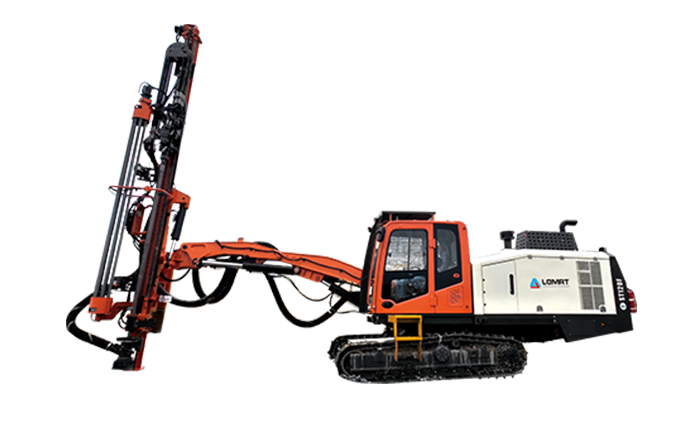
A Top-Hammer Drilling Rig uses a hydraulic rock drill mounted on the feed beam. The hammer generates high-frequency percussion energy that travels through a series of drill rods before reaching the drill bit. At the same time, the drill string rotates, allowing the bit to fracture and remove rock efficiently.
Top-hammer technology is commonly used in:
· Open pit mining
· Quarry operations
· Road construction
· Railway projects
· Tunnel excavation
· Infrastructure development
Its high drilling speed and flexibility make it a preferred choice for shallow and medium-depth blast holes.
In a DTH drilling system, the pneumatic hammer is positioned directly behind the drill bit. Instead of transmitting impact energy through long drill rods, the hammer delivers force at the bottom of the hole.
This design minimizes energy loss and allows DTH rigs to maintain drilling efficiency even at significant depths.
Typical applications include:
· Deep blast hole drilling
· Water well construction
· Large-scale mining
· Geothermal drilling
· High-diameter boreholes
Hole depth affects more than drilling time. It directly influences:
· Energy transfer efficiency
· Hole straightness
· Fuel consumption
· Bit wear
· Rod stress
· Operating costs
· Overall productivity
Selecting equipment that matches the required hole depth can significantly improve project performance and reduce maintenance expenses.
Modern Top-Hammer Drilling Rigs perform exceptionally well when drilling shallow to medium-depth blast holes. In many quarrying and construction projects, hole depths typically range from 10 to 30 meters, where top-hammer technology offers excellent productivity.
Advantages include:
· Fast penetration rates
· Quick rod handling
· High drilling accuracy
· Lower fuel consumption
· Excellent machine mobility
Because these rigs can drill more holes per shift, they are ideal for projects requiring high production efficiency.
As drilling depth increases, percussion energy must travel through additional drill rods before reaching the drill bit.
Several factors reduce drilling efficiency:
Each rod connection absorbs a small amount of impact energy. As more rods are added, cumulative energy loss increases, reducing the force delivered to the bit.
Longer drill strings become more susceptible to bending and vibration. This can affect drilling accuracy and increase wear on rods and couplings.
Deep drilling places greater stress on the drill string, feed system, and rock drill, leading to increased maintenance requirements over time.
Although modern hydraulic technology has greatly improved energy transfer, these physical limitations remain an important consideration for very deep drilling operations.
The biggest advantage of DTH drilling is that the hammer stays directly behind the drill bit regardless of hole depth.
This configuration provides:
· Nearly constant impact energy
· Minimal transmission losses
· Stable penetration rates
· Improved drilling consistency
As a result, DTH systems remain highly efficient when drilling holes exceeding 30 to 40 meters.
Deep blast holes require precise alignment to achieve effective blasting results.
Because impact occurs directly at the bit, DTH drilling generally produces:
· Straighter holes
· Reduced deviation
· Improved blasting accuracy
· Better fragmentation
These benefits become increasingly valuable in large-scale mining operations where deep holes are common.
For shallow applications, Top-Hammer Drilling Rigs typically outperform DTH systems due to their:
· Higher percussion frequency
· Faster setup
· Shorter drilling cycles
· Easier machine movement
Contractors often achieve lower cost per drilled meter in these conditions.
At medium depths, top-hammer rigs continue to offer excellent productivity while maintaining reasonable drilling accuracy and operating efficiency.
Hydraulic systems from Haichuang Unite are engineered to maximize percussion performance, allowing operators to complete demanding drilling programs with minimal downtime.
As hole depth continues to increase, DTH systems gradually become more efficient.
Advantages include:
· Stable penetration speed
· Lower energy loss
· Reduced drill string vibration
· Better hole quality
For very deep blast holes, DTH drilling is generally the preferred solution.
For most surface mining and quarry projects, Top-Hammer Drilling Rigs offer attractive operating economics because they require:
· Smaller compressors
· Lower fuel consumption
· Less auxiliary equipment
· Faster relocation between drilling positions
· Simplified maintenance
These advantages contribute to lower overall project costs for shallow and medium-depth drilling.
Although DTH rigs perform well at greater depths, they often require:
· Large air compressors
· Higher diesel consumption
· Additional compressor maintenance
· Increased transportation requirements
The higher operating costs are often justified only when deep-hole performance is essential.
Selecting between top-hammer and DTH technology depends on several project factors, including:
Different rock hardness levels influence drilling speed and equipment performance.
Larger diameter holes may favor DTH drilling, while smaller blast holes are often completed more efficiently with top-hammer rigs.
Depth remains the primary factor when selecting the appropriate drilling system.
Projects requiring rapid drilling of numerous shallow holes generally benefit from the speed and flexibility of Top-Hammer Drilling Rigs.
Both drilling technologies have distinct advantages, but their performance varies depending on hole depth. Top-Hammer Drilling Rigs excel in shallow and medium-depth applications, delivering high penetration rates, lower operating costs, excellent mobility, and superior productivity. DTH drilling systems, on the other hand, are better suited for deep-hole projects where consistent impact energy and hole straightness are critical.
With advanced hydraulic engineering, durable construction, and intelligent drilling controls, Haichuang Unite provides high-performance Top-Hammer Drilling Rigs that help contractors maximize efficiency across quarrying, mining, and infrastructure projects. By selecting the right drilling technology for the required hole depth, operators can improve productivity, reduce operating costs, and achieve more reliable drilling results.
Previous: Which Ice Machine Type Is More Suitable for Hotels, Bars, and Restaurant Beverage Service?
Next: Noise and Vibration Levels Compared: Top-Hammer Rigs vs DTH Systems in Open Pit Mining
Copyright:@2020-2021

Comments Please sign in or sign up to post.
0
0 of 500 characters used