
Aluminum composite material (ACM) is widely used in modern architecture, transportation, signage, and industrial manufacturing due to its lightweight structure, corrosion resistance, and attractive appearance. However, achieving durable bonding for aluminum composite material requires selecting an adhesive that can withstand environmental stress, thermal expansion, and long-term mechanical loads.
Among the most popular choices are polyurethane (PU) adhesives and epoxy adhesives. While both offer excellent bonding capabilities, they differ significantly in flexibility, curing behavior, impact resistance, and application suitability. This guide compares PU and epoxy adhesives to help manufacturers, fabricators, and contractors choose the best solution. YouXing Shark provides advanced polyurethane adhesive solutions engineered for reliable aluminum composite material bonding.
Aluminum composite material typically consists of two aluminum sheets bonded to a lightweight core, such as polyethylene (PE) or a fire-retardant mineral-filled core. During fabrication, additional bonding may be required for:
· Composite panel assembly
· Structural reinforcement
· Edge folding
· Decorative cladding installation
· Transportation components
· Interior architectural panels
Because aluminum expands and contracts with temperature changes, selecting the right adhesive is critical to preventing bond failure over time.
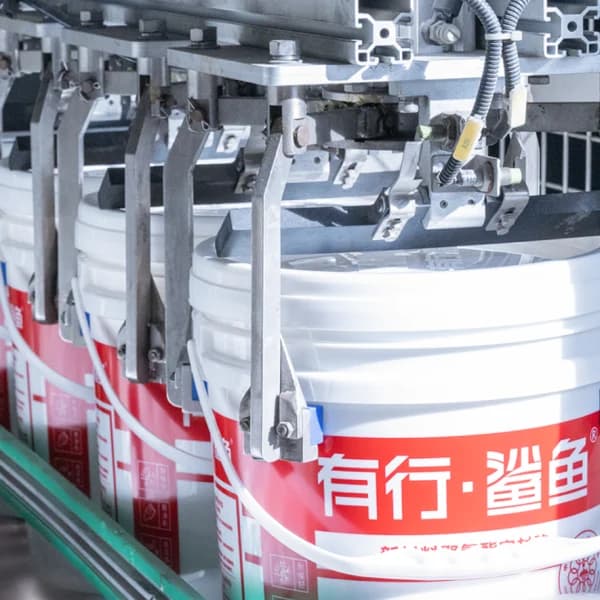
Polyurethane adhesive is available in one-component and two-component formulations. It cures into a tough yet flexible bond capable of accommodating movement without cracking.
For bonding for aluminum composite material, PU adhesives are valued for their excellent balance of strength and elasticity.
· Excellent adhesion to aluminum and composite substrates
· High flexibility after curing
· Strong impact resistance
· Outstanding vibration absorption
· Good weather resistance
· Long-term durability in outdoor environments
These properties make polyurethane adhesives particularly suitable for aluminum composite panels exposed to changing weather conditions.
Epoxy adhesive is a high-strength structural adhesive commonly supplied as a two-component system consisting of resin and hardener.
After curing, epoxy forms a rigid bond with exceptional mechanical strength.
· Very high tensile strength
· Excellent shear strength
· Superior chemical resistance
· High temperature resistance
· Minimal shrinkage during curing
Epoxy is often chosen for applications requiring maximum structural rigidity.
Epoxy adhesives generally provide higher initial tensile and shear strength than polyurethane adhesives.
For static structural assemblies with minimal movement, epoxy performs exceptionally well.
While epoxy offers impressive strength, its rigidity can become a disadvantage when aluminum composite panels expand and contract with temperature changes.
Polyurethane adhesives remain slightly flexible after curing, allowing them to absorb movement without transferring excessive stress to the bonded surfaces.
For many ACM applications, this flexibility contributes to longer service life.
Aluminum has a relatively high coefficient of thermal expansion.
Outdoor aluminum composite panels experience continuous expansion during hot weather and contraction during cold temperatures.
A rigid adhesive may eventually develop stress concentrations that can lead to:
· Cracking
· Delamination
· Joint fatigue
· Reduced service life
Polyurethane accommodates thermal movement while maintaining strong adhesion.
This makes bonding for aluminum composite material more reliable in applications exposed to daily and seasonal temperature changes.
Exterior aluminum composite panels must withstand:
· Rain
· Snow
· UV exposure
· Humidity
· Freeze-thaw cycles
· Wind loads
High-quality polyurethane adhesives are specifically formulated to maintain flexibility and adhesion under these environmental conditions.
Epoxy adhesives also provide excellent moisture resistance but may become less tolerant of repeated movement over extended periods.
Applications such as transportation equipment, trailers, buses, trains, and modular buildings expose bonded joints to constant vibration.
Polyurethane adhesives perform exceptionally well because they absorb energy instead of transmitting stress directly to the bond line.
Epoxy adhesives are more rigid, making them better suited to static assemblies with limited dynamic loading.
PU adhesive offers several application advantages:
· Available in one- and two-component systems
· Suitable for automated dispensing
· Longer working time for large panels
· Good gap-filling capability
· Compatible with various production environments
These characteristics simplify installation and improve manufacturing efficiency.
Epoxy adhesives require:
· Accurate mixing ratios
· Careful surface preparation
· Controlled application
· Proper curing conditions
Although the process is more demanding, epoxy delivers excellent structural strength for appropriate applications.
Polyurethane is an excellent choice for:
· Aluminum composite façade panels
· Curtain wall systems
· Interior decorative panels
· Modular buildings
· Vehicle body panels
· Refrigerated truck bodies
· Architectural cladding
· Sandwich panel manufacturing
Its flexibility and durability make it ideal for applications exposed to movement and outdoor conditions.
Epoxy performs well in:
· Structural metal assemblies
· Heavy industrial equipment
· Machine components
· Chemical processing facilities
· Static load-bearing joints
These applications benefit from epoxy's exceptional rigidity and mechanical strength.
When selecting the best adhesive for aluminum composite material, evaluate the following factors:
Will the bonded panels be exposed to outdoor weather, moisture, or significant temperature changes?
Will the joint experience static loads, vibration, or repeated movement?
Does your manufacturing line require automated dispensing, rapid curing, or flexible assembly times?
Consider not only initial bond strength but also performance after years of service.
For many architectural and transportation projects, polyurethane adhesives provide the best balance between durability and flexibility.
YouXing Shark develops high-performance polyurethane adhesives specifically designed for bonding for aluminum composite material and other demanding industrial applications.
The company's adhesive formulations deliver excellent bonding performance on aluminum, composite cores, steel, and various construction materials.
YouXing Shark products maintain strong adhesion under challenging environmental conditions, ensuring long-term performance for exterior applications.
Every production batch undergoes rigorous quality testing for viscosity, curing behavior, bond strength, and durability.
The experienced technical team helps customers select the most suitable adhesive formulation based on substrate type, production process, and application requirements.
Choosing the right solution for bonding for aluminum composite material requires balancing strength, flexibility, environmental resistance, and application efficiency. While epoxy adhesives offer outstanding mechanical strength for rigid structural assemblies, polyurethane adhesives provide superior flexibility, vibration resistance, and long-term durability in applications where thermal expansion and environmental exposure are critical.
For aluminum composite panels used in construction, transportation, and architectural cladding, polyurethane adhesives are often the preferred choice because they combine reliable bonding performance with excellent weather resistance and lasting flexibility. With innovative formulations, strict quality control, and expert technical support, YouXing Shark delivers polyurethane adhesive solutions that help manufacturers achieve durable, high-performance aluminum composite assemblies.
Copyright:@2020-2021

Comments Please sign in or sign up to post.
0
0 of 500 characters used