
Ultraviolet (UV) optical systems require materials that can transmit short wavelengths efficiently while maintaining stability under demanding operating conditions. Among available optical materials, Quartz Glass Substrates are widely recognized for their excellent UV transparency, high purity, and outstanding resistance to thermal and chemical stress.
From semiconductor photolithography and UV laser systems to analytical instruments and medical equipment, quartz glass plays a critical role in applications where conventional glass materials cannot deliver sufficient performance. CQT provides high-quality Quartz Glass Substrates engineered to meet the strict requirements of advanced UV optical applications.
UV light has shorter wavelengths and higher energy levels than visible light. Because of this, optical materials used in UV systems must provide:
· High ultraviolet transmission
· Low optical absorption
· Excellent surface quality
· Strong thermal resistance
· Long-term stability
Many traditional optical glasses absorb significant amounts of UV radiation, limiting their effectiveness in precision UV systems. Quartz glass, however, offers superior transmission characteristics that make it a preferred material for demanding applications.
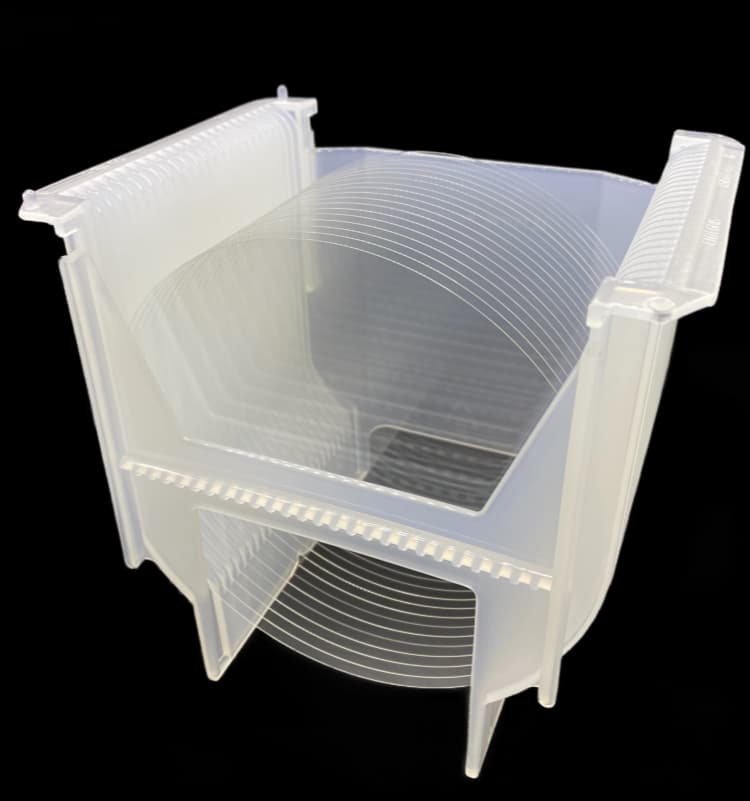
One of the most important advantages of a Quartz Glass Substrate is its ability to transmit ultraviolet light efficiently.
High-purity quartz glass can transmit wavelengths from deep UV regions through visible and near-infrared ranges. This broad transmission capability allows it to support various optical technologies that require precise UV energy delivery.
Applications benefiting from this property include:
· UV lithography
· UV sensors
· Laser systems
· Spectroscopy equipment
· Photochemical processing
Optical absorption reduces the amount of UV energy passing through a material and can create unwanted heat generation.
Quartz glass provides:
· Minimal UV absorption
· Reduced energy loss
· Improved optical efficiency
· Better system stability
This makes quartz glass especially valuable in high-energy UV applications where optical performance directly affects equipment efficiency.
The purity of an optical substrate directly affects its UV performance. Impurities inside the material can absorb UV wavelengths and reduce transmission efficiency.
High-quality Quartz Glass Substrates are manufactured using carefully controlled materials to minimize:
· Metallic contamination
· Optical defects
· Internal inclusions
· Absorption centers
This high purity enables more accurate and reliable UV light transmission.
Precision UV systems require consistent optical properties across every component.
Quartz glass offers:
· Uniform transmission
· Stable refractive characteristics
· Reliable performance between production batches
This consistency is essential for industries where process accuracy is critical.
Continuous UV exposure can degrade many materials over time. Some plastics and conventional glasses may experience:
· Yellowing
· Reduced transparency
· Surface damage
· Performance loss
Quartz glass maintains its optical properties even after prolonged UV exposure.
This durability makes it suitable for:
· UV curing equipment
· Sterilization systems
· Semiconductor processing tools
· Scientific research instruments
Many UV systems use powerful light sources that generate significant heat.
Examples include:
· UV lasers
· Excimer lamps
· High-intensity UV LEDs
A Quartz Glass Substrate can withstand elevated temperatures due to its low thermal expansion coefficient.
Benefits include:
· Reduced thermal stress
· Improved dimensional stability
· Lower risk of cracking
· Reliable optical alignment
This thermal performance helps maintain consistent operation in demanding UV environments.
The semiconductor industry is one of the largest users of high-performance quartz materials.
UV photolithography requires optical components that can accurately transmit ultraviolet light for pattern creation on semiconductor wafers.
Quartz glass substrates are used because they provide:
· Excellent UV transmission
· High dimensional stability
· Low contamination risk
· Superior surface quality
As semiconductor manufacturing moves toward smaller feature sizes, demand for precision quartz substrates continues to increase.
UV lasers are used in:
· Precision manufacturing
· Micromachining
· Medical technology
· Scientific research
These systems require optical materials that can handle intense UV energy without degradation.
Quartz glass provides:
· High damage resistance
· Stable transmission performance
· Excellent thermal durability
This allows UV laser systems to operate efficiently over extended periods.
UV sensors require materials that allow precise detection of ultraviolet radiation.
Quartz glass substrates support sensor performance by providing:
· Reliable UV transmission
· Low signal distortion
· High environmental resistance
Applications include:
· Environmental monitoring
· Industrial inspection
· Laboratory analysis
· Safety equipment
UV sterilization systems depend on efficient ultraviolet transmission to achieve effective disinfection.
Quartz glass components are commonly used in:
· UV lamps
· Sterilization chambers
· Medical equipment
Their resistance to UV degradation helps maintain long-term system performance.
Professional buyers evaluate several important specifications before purchasing quartz glass products.
High transmission efficiency ensures maximum energy utilization and improved system effectiveness.
Important surface characteristics include:
· Low roughness
· Excellent flatness
· Minimal defects
· Precision polishing
A high-quality surface reduces optical scattering and improves performance.
Precise thickness and size control are essential for proper integration into optical systems.
Higher purity improves UV transparency and reduces unwanted absorption.
Many applications require customized specifications, including:
· Special dimensions
· Specific thicknesses
· Unique polishing requirements
· Custom optical parameters
Reliable suppliers should provide flexible manufacturing solutions.
CQT specializes in manufacturing high-performance Quartz Glass Substrates for advanced optical applications. With strict quality control, precision processing technology, and high-purity quartz materials, CQT delivers products designed for demanding UV environments.
Key advantages include:
· Excellent UV transmission performance
· High optical purity
· Superior surface finishing
· Precise dimensional control
· Strong thermal resistance
· Reliable batch consistency
· Customized substrate solutions
These capabilities allow CQT to support industries including semiconductor manufacturing, UV optics, laser technology, and scientific instrumentation.
As UV technologies continue expanding, the demand for advanced optical materials will increase. Emerging applications in semiconductor manufacturing, medical sterilization, industrial processing, and scientific research require substrates that combine high transmission efficiency with long-term durability.
Future UV systems will demand:
· Higher optical precision
· Greater energy resistance
· Improved material purity
· More customized substrate designs
Quartz glass will continue to play an essential role because of its unique combination of optical and physical properties.
The optical transparency advantages of Quartz Glass Substrates make them essential for modern UV applications. Their high UV transmission, low absorption, excellent purity, and resistance to thermal and radiation damage provide significant benefits over conventional optical materials.
From semiconductor photolithography and UV lasers to sensors and medical sterilization systems, quartz glass enables reliable and efficient UV performance. With advanced manufacturing expertise and strict quality standards, CQT delivers premium Quartz Glass Substrates that help meet the growing demands of next-generation UV optical technologies.
Previous: None.
Next: Key Specifications to Evaluate When Purchasing Quartz Crystal Wafers
Copyright:@2020-2021

Comments Please sign in or sign up to post.
0
0 of 500 characters used