
Red light therapy (RLT)—also known as low-level laser therapy (LLLT) or photobiomodulation—uses specific wavelengths of red (630–680 nm) and near-infrared (810–850 nm) light. Unlike UV light, it penetrates the skin safely to stimulate biological activity at the cellular level.
Key Mechanism:
RLT photons are absorbed by mitochondria—the cell's energy producers—boosting ATP production and activating anti-inflammatory processes.
Period cramps are caused by uterine contractions, often triggered by high levels of prostaglandins (inflammatory compounds). Red light therapy for menstrual cramps addresses the root mechanisms:
Reduces Inflammation: Lowers prostaglandins and pro-inflammatory cytokines
Improves Blood Flow: Increases oxygenation and nutrient delivery to ease muscle tension
Modulates Pain: Calms nerve sensitivity and may stimulate endorphin release
Relaxes Muscles: Enhances energy availability to reduce uterine spasms
These effects explain why red light therapy for cramps is becoming a preferred non-drug solution for many.
Though large-scale trials are still ongoing, several studies support the efficacy of RLT in cramp relief:
| Study Findings | Significance |
| 2011 RCT: RLT users reported significantly greater pain relief than placebo users | Demonstrated sustained relief over multiple menstrual cycles |
| Comparative trials: RLT matched or outperformed NSAIDs or TENS devices | Validated as a drug-free alternative with fewer side effects |
| Inflammation-focused research: Consistent reduction in inflammatory markers observed | Strong biological support for use in menstrual pain management |
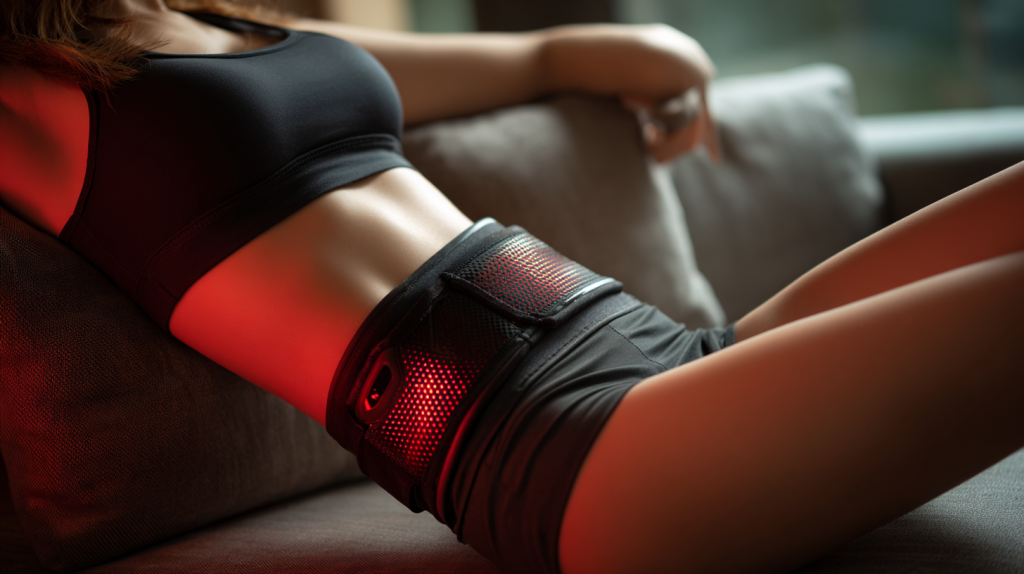
Use a red/NIR light panel or flexible pad designed for large surface areas like the lower abdomen or back. Look for devices with dual wavelengths:
Red: 630–680 nm
Near-Infrared: 810–850 nm
Begin at the onset of cramping symptoms and continue daily throughout your period.
Place device 6–12 inches from bare skin
Use for 10–20 minutes, 1–2 times daily
Focus on the lower belly or lower back depending on where cramps are most severe
You can safely combine RLT with:
Heat therapy (e.g., heating pads)
Gentle yoga or stretching
Deep breathing for relaxation
Red light therapy offers additional benefits relevant to menstrual wellness and general health:
Mood Regulation: May ease PMS-related mood swings and stress
Skin Rejuvenation: Stimulates collagen and reduces breakouts
Faster Recovery: Helps muscles recover after workouts or physical fatigue
Hair Growth: Reactivates dormant follicles and supports scalp health
| Factor | Recommended Specs | Why It Matters |
| Wavelengths | Red: 630–680 nm; NIR: 810–850 nm | Reaches deep tissues, essential for cramp relief |
| Irradiance | ≥ 20–100 mW/cm² at skin surface | Ensures sufficient energy delivery |
| Safety Certifications | FDA-cleared, CE, RoHS, IEC 60601 | Indicates product safety and reliability |
| Coverage Area | Panels or flexible therapy pads | Allows treatment of abdomen and back |
| Manufacturer Trust | Transparent specs, R&D-backed design | Ensures quality and customer support |
Non-invasive, non-thermal, and usually well-tolerated
Mild side effects (e.g., eye strain or slight skin redness) are rare
Are pregnant
Take photosensitizing medications (e.g., antibiotics)
Have active cancer or other serious medical conditions
Red light therapy for menstrual pain relief is gaining recognition as a powerful, drug-free option to ease menstrual discomfort. By improving circulation, calming inflammation, and relaxing uterine muscles, RLT can help reduce reliance on painkillers and improve daily quality of life.
With a high-quality device and consistent application during your menstrual cycle, RLT may become an essential part of your wellness toolkit. As with any therapy, results vary, and medical guidance is key—especially if pain is persistent or severe.
Previous: Solar Power Plant Mastery: Maximizing Production & Engineering Reliable Energy Stations
Next: Low Voltage Switchgear vs. Medium Voltage Switchgear: Key Differences Explained
Copyright:@2020-2021

Comments Please sign in or sign up to post.
0
0 of 500 characters used