
Selecting the right filtration solution is essential for maintaining process stability, protecting equipment, and ensuring product quality. Two common options in industrial filtration are stainless steel filters—such as sintered wire mesh and stainless steel filter cartridges—and polypropylene (PP) cartridges. While polypropylene filters are widely used for general applications, stainless steel filters become essential in more demanding industrial environments.
Understanding when to choose each option helps engineers reduce downtime, improve efficiency, and lower long-term operating costs. As a professional filtration manufacturer, ZHUAN LV provides both advanced metal filter solutions and application guidance to help customers make the right choice.
Polypropylene (PP) cartridges are made from synthetic polymer fibers and are commonly used for:
· Water treatment
· Food and beverage pre-filtration
· Pharmaceutical pre-filtration
· Low-pressure chemical filtration
They are popular because they are:
· Low cost
· Lightweight
· Disposable
· Easy to replace
However, they have limitations in harsh industrial environments.
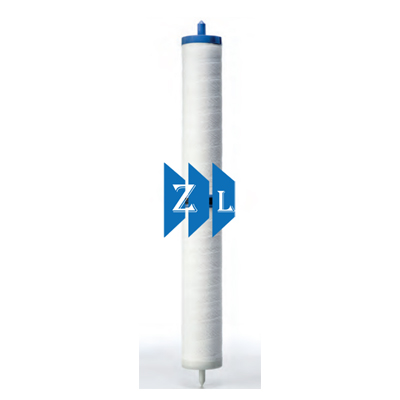
Stainless steel filter cartridges and sintered wire mesh filters are made from metal materials such as 304 or 316L stainless steel.
They offer:
· High temperature resistance
· Strong mechanical strength
· Excellent corrosion resistance
· Reusability after cleaning
· Long service life
These properties make them suitable for demanding industrial processes.
If your process involves high temperatures, polypropylene filters may deform or fail.
You should choose sintered wire mesh or stainless steel filters when operating conditions include:
· Steam filtration
· Hot oil filtration
· Chemical reactors
· High-temperature gas filtration
Stainless steel maintains structural stability even under extreme heat.
PP cartridges are not designed for high-pressure environments.
In contrast, stainless steel filter cartridges can withstand:
· Hydraulic systems
· High-pressure pipelines
· Compressor air filtration
· Industrial gas systems
Their rigid structure prevents collapse under pressure.
Polypropylene has good chemical resistance but is not suitable for all solvents and aggressive chemicals.
Stainless steel filters are preferred for:
· Strong acids and alkalis (within material limits)
· Solvent-based chemical processes
· Petrochemical applications
· Industrial wastewater with complex chemistry
316L stainless steel, in particular, provides strong corrosion resistance in many harsh environments.
One of the biggest advantages of sintered wire mesh filters is their ability to be cleaned and reused multiple times.
Cleaning methods include:
· Backwashing
· Ultrasonic cleaning
· Chemical cleaning
· Steam cleaning
This significantly reduces:
· Filter replacement frequency
· Waste disposal costs
· Inventory management burden
Polypropylene filters, being disposable, generate ongoing replacement costs.
Industries with continuous production lines benefit greatly from stainless steel filtration systems.
Typical applications include:
· Oil and gas processing
· Chemical manufacturing
· Power generation systems
· Industrial gas purification
· Metallurgical processes
In these environments, downtime for filter replacement is costly, making reusable stainless steel filter cartridges the better choice.
Stainless steel filters offer more stable filtration performance over time compared to PP cartridges.
Advantages include:
· Consistent pore structure
· Resistance to deformation
· Stable pressure drop characteristics
· Reliable long-term operation
This is especially important in precision manufacturing and critical process control systems.
While stainless steel offers superior durability, PP cartridges are still appropriate in certain cases:
· Low-cost water filtration
· Single-use applications
· Non-critical pre-filtration stages
· Low-temperature and low-pressure systems
They remain a practical solution when operating conditions are mild.
· PP cartridges: Low upfront cost
· Stainless steel filters: Higher initial cost
· PP cartridges: Frequent replacements increase long-term cost
· Stainless steel filters: Reusable, lower long-term cost
Over time, sintered wire mesh and stainless steel filters often deliver a lower total cost of ownership despite higher initial investment.
When deciding between stainless steel and polypropylene filters, consider:
· Operating temperature
· Pressure level
· Chemical environment
· Required service life
· Maintenance capability
· Budget structure (CAPEX vs OPEX)
A proper evaluation ensures optimal system performance and cost efficiency.
ZHUAN LV specializes in high-performance industrial filtration solutions, including sintered wire mesh and stainless steel filter cartridges designed for demanding applications.
ZHUAN LV provides technical support to help customers select the most suitable filtration media based on real operating conditions.
We use premium stainless steel grades such as 304 and 316L to ensure durability, corrosion resistance, and long service life.
Our filters can be customized in:
· Size and shape
· Filtration rating
· Connection type
· Structural design
ZHUAN LV products are widely used in chemical processing, oil and gas, water treatment, and manufacturing industries.
Choosing between polypropylene cartridges and stainless steel filtration depends on operating conditions and long-term cost considerations. While PP filters are suitable for low-cost, low-demand applications, sintered wire mesh and stainless steel filter cartridges are the preferred choice for high temperature, high pressure, corrosive, and continuous industrial environments.
By investing in durable stainless steel solutions from ZHUAN LV, businesses can achieve greater reliability, reduced maintenance costs, and improved system performance over the long term.
Previous: None.
Copyright:@2020-2021

Comments Please sign in or sign up to post.
0
0 of 500 characters used