
Steel structure buildings are widely used in industrial, commercial, and agricultural construction due to their strength, speed of installation, and cost efficiency. However, steel panels are highly conductive, meaning they transfer heat quickly without proper insulation. This is where Glass Wool Roll plays a crucial role.
A properly installed Glass Wool Roll, such as Huana Glass Wool Roll, significantly improves thermal performance, reduces energy consumption, and enhances indoor comfort in steel structure roof and wall systems. This guide explains how to install it correctly for maximum efficiency and long-term durability.
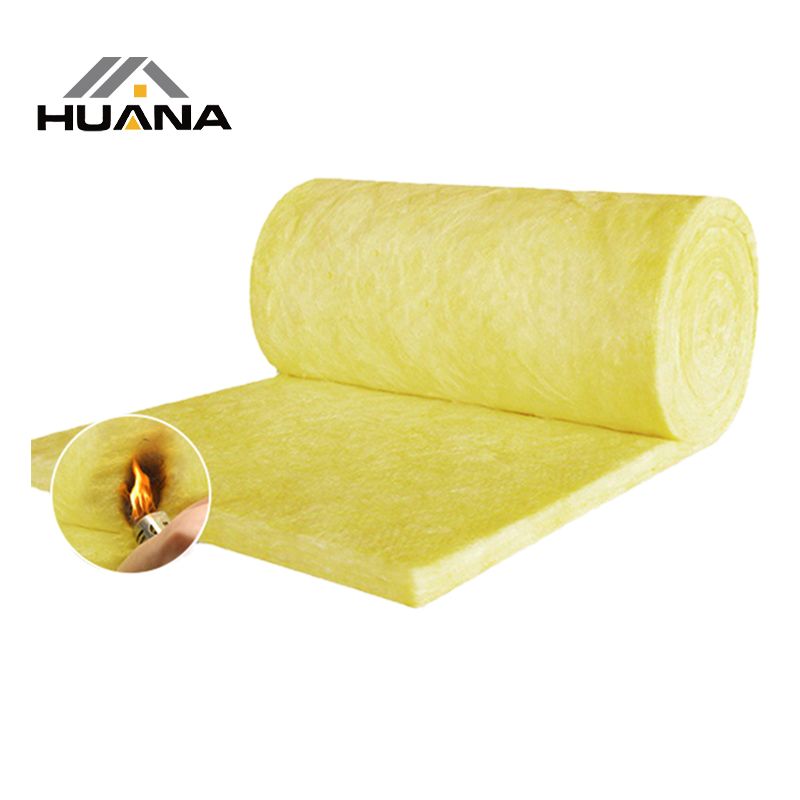
Glass Wool Roll is a flexible insulation material made from fine glass fibers formed into a blanket or roll format. It is designed to fit easily between steel beams, roof panels, and wall framing systems.
Key characteristics include:
· Excellent thermal insulation performance
· Strong sound absorption capability
· Lightweight and flexible structure
· Fire-resistant properties
· Easy cutting and installation
Because of its roll format, it is especially suitable for large-area coverage in steel buildings.
Steel structures face unique insulation challenges due to their high thermal conductivity and large exposed surface area.
Without insulation, steel roofs can become extremely hot in summer and very cold in winter. Glass Wool Roll helps regulate internal temperature by reducing heat transfer through conduction.
By reducing the load on HVAC systems, insulated steel buildings consume less energy, leading to lower operating costs and improved sustainability.
Steel structures often amplify noise from rain, wind, or machinery. Glass wool helps absorb sound, improving indoor comfort in industrial and commercial environments.
Before installing Huana Glass Wool Roll, ensure you have the following:
· Glass wool rolls of required thickness
· Steel structure framework (roof or wall purlins)
· Fixing pins or insulation hangers
· Metal wire or retaining mesh (optional for roofs)
· Cutting tools (insulation knife or blade)
· Protective equipment (gloves, mask, goggles)
· Aluminum foil tape (if foil-faced version is used)
Proper preparation ensures smooth and efficient installation.
Ensure the steel purlins and roof framing are properly installed and clean. Remove dust, oil, or sharp debris that could damage the insulation.
Check alignment and spacing to ensure the glass wool can be fitted evenly.
Measure the distance between steel purlins. Cut the Glass Wool Roll slightly wider than the spacing to ensure a tight fit.
A snug installation helps eliminate gaps that could reduce thermal performance.
Place the glass wool roll between the roof purlins, ensuring it fully covers the roof area without compression.
For best performance:
· Avoid over-compressing the material
· Maintain uniform thickness
· Ensure continuous coverage
Use insulation pins, wire mesh, or retaining systems to secure the glass wool to the roof structure.
This step is essential in preventing sagging or displacement over time.
Once insulation is secured, install the outer metal roof sheets. Ensure there is no direct contact that compresses the insulation unevenly.
If using foil-faced Huana Glass Wool Roll, position the foil side according to design requirements for thermal reflection or vapor control.
Ensure the steel wall studs or framing are properly installed and aligned.
Measure wall cavity dimensions and cut the insulation slightly larger for a friction fit.
Place Glass Wool Roll into the wall space, ensuring full coverage without gaps or compression.
Proper fitting is essential for maintaining thermal performance.
Use retaining clips, wire mesh, or adhesive supports if required, especially for vertical installations.
After insulation is in place, install gypsum boards, metal panels, or exterior cladding systems.
Ensure no air gaps remain between insulation and wall surfaces.
Compressing glass wool reduces trapped air pockets, which lowers insulation efficiency. Always maintain original thickness where possible.
Gaps between insulation sections can significantly reduce thermal performance. Overlap joints carefully to avoid thermal bridging.
For projects requiring vapor control or radiant heat reflection, Huana Glass Wool Roll with aluminum foil facing can enhance system performance.
Although modern glass wool is safer, installers should still wear gloves, masks, and protective clothing to avoid irritation.
Used to reduce heat buildup under metal roofs and improve working conditions.
Helps maintain stable temperatures for livestock and storage facilities.
Improves comfort in shopping centers, workshops, and exhibition halls.
Provides lightweight and efficient insulation for modular construction systems.
Choosing Huana Glass Wool Roll ensures reliable performance in steel structure insulation systems.
Key benefits include:
· High thermal insulation efficiency
· Excellent acoustic performance
· Fire-resistant non-combustible material
· Easy installation and handling
· Long-term durability and stability
· Suitable for roofs and wall systems
· Available in various thickness and density options
These advantages make Huana products a trusted choice for modern construction projects.
Proper installation of Glass Wool Roll is essential for achieving optimal thermal, acoustic, and energy performance in steel structure roof and wall systems. When installed correctly, it significantly reduces heat transfer, improves indoor comfort, and lowers energy costs.
With its high-quality materials and reliable performance, Huana Glass Wool Roll provides an efficient and practical insulation solution for industrial, commercial, and residential steel buildings.
Previous: FRP Piping Systems: Modernizing Industrial Fluid Transport
Next: Formaldehyde-Free Glass Wool: Why It Matters for Indoor Air Quality and Green Certification
Copyright:@2020-2021

Comments Please sign in or sign up to post.
0
0 of 500 characters used