
Choosing the right fabric is one of the most important decisions when designing an outdoor jacket. Whether you're developing apparel for hiking, skiing, mountaineering, or everyday urban wear, the fabric directly impacts comfort, weather protection, durability, and overall performance.
Two of the most popular options are soft shell and hard shell fabrics. While both are designed for outdoor use, they serve different purposes and perform best in different environments. Understanding their differences will help brands select the ideal material for their products.
Working with an experienced soft shell fabric manufacturer like Weaver Birds ensures you receive high-performance fabrics tailored to your design requirements and target market.
Soft shell fabric is a flexible, breathable textile designed to provide comfort, moderate weather protection, and excellent mobility. It is typically made from woven polyester or nylon blended with elastane, often featuring a brushed inner layer for added warmth.
Soft shell fabrics are commonly treated with a Durable Water Repellent (DWR) finish to resist light rain while maintaining breathability.
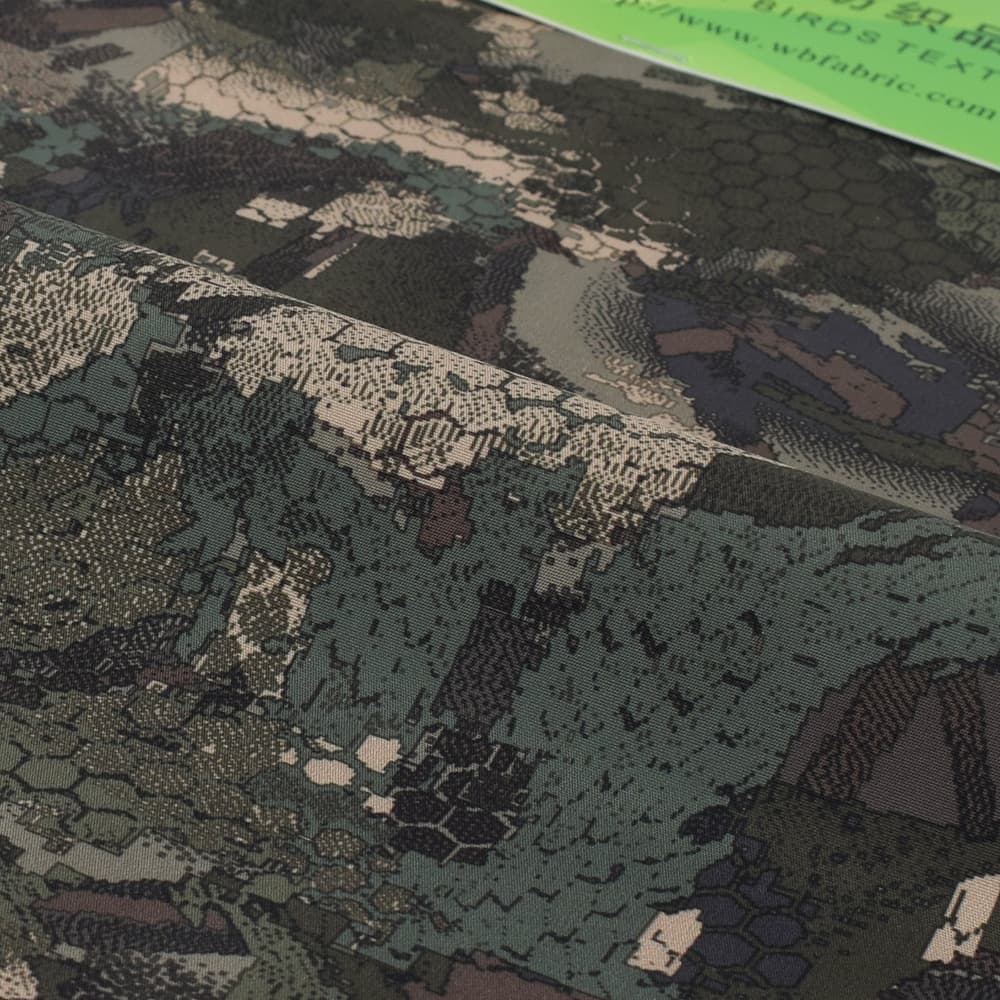
Soft shell fabrics are valued for their versatility and comfort.
Common characteristics include:
· Excellent breathability
· Four-way stretch for unrestricted movement
· Wind resistance
· Water-resistant surface
· Lightweight construction
· Soft, comfortable texture
· Good abrasion resistance
These qualities make soft shell fabrics ideal for active outdoor activities.
Hard shell fabric is engineered to provide maximum protection against harsh weather conditions. It typically consists of multiple layers, including a waterproof and breathable membrane laminated to a durable outer fabric.
Many hard shell garments also feature fully sealed seams to prevent water penetration.
Hard shell fabrics are designed for extreme environments and demanding outdoor use.
Their advantages include:
· Complete waterproof protection
· Excellent windproof performance
· High durability
· Superior resistance to heavy rain and snow
· Long-lasting weather protection
· Lightweight yet protective construction
These fabrics are essential for technical outdoor apparel designed for severe weather.
The most significant difference is the level of weather resistance.
Soft shell fabrics are water-resistant, making them suitable for light rain, cool temperatures, and windy conditions.
Hard shell fabrics are fully waterproof and designed to keep wearers dry during prolonged exposure to rain, snow, and harsh weather.
Soft shell fabrics generally provide superior breathability because they are designed to maximize airflow during physical activity.
Hard shell fabrics have improved significantly with modern waterproof membranes, but they typically offer slightly lower breathability than soft shells.
For high-output activities like trail running or climbing, breathability is often a deciding factor.
Soft shell fabrics contain stretch fibers that allow garments to move naturally with the body.
This makes them ideal for activities requiring:
· Climbing
· Hiking
· Cycling
· Running
· Mountaineering
Hard shell fabrics focus primarily on protection rather than flexibility, although premium constructions now offer improved mobility.
Soft shell jackets are generally lighter and more comfortable for everyday wear.
Hard shell jackets may weigh slightly more due to waterproof membranes, seam sealing, and reinforced construction, although advances in textile technology have reduced this difference.
Soft shell fabrics perform best in dry or mildly wet environments where comfort and mobility are priorities.
Ideal applications include:
Breathability and stretch help hikers stay comfortable during long-distance treks.
Flexible fabrics improve movement while providing protection against wind and light rain.
Stretch performance allows unrestricted motion during technical climbs.
Soft shell jackets offer an excellent balance between everyday comfort and outdoor functionality.
Partnering with a reliable soft shell fabric manufacturer helps brands optimize these performance characteristics for specific markets.
Hard shell fabrics are the preferred solution when maximum weather protection is essential.
Common applications include:
Designed to keep users dry during prolonged rainfall.
Provides waterproof and windproof protection in snowy mountain environments.
Protects against severe weather at high altitudes.
Construction workers, rescue teams, and field technicians often require dependable waterproof protection throughout the workday.
Yes. Many premium outdoor jackets use a hybrid construction that combines the strengths of both materials.
For example:
Placed in areas requiring greater flexibility, such as:
· Sleeves
· Underarms
· Side panels
· Back sections
Used in high-exposure zones including:
· Hood
· Shoulders
· Chest
· Upper back
This combination delivers improved comfort without sacrificing weather protection.
Choosing the right supplier is just as important as selecting the right fabric.
A professional soft shell fabric manufacturer should provide:
Custom solutions for:
· Stretch performance
· Fabric weight
· Water resistance
· Breathability
· Windproof performance
Reliable manufacturers test fabrics for:
· Abrasion resistance
· Waterproof performance
· Moisture management
· Stretch recovery
· Color fastness
· Pilling resistance
Consistent testing ensures every production batch meets performance expectations.
Many outdoor brands now prioritize environmentally responsible textiles.
Look for manufacturers offering:
· Recycled polyester fabrics
· Recycled nylon materials
· Eco-friendly finishing processes
· Low-impact dyeing technologies
Sustainability has become an important consideration for both brands and consumers.
Weaver Birds is a trusted soft shell fabric manufacturer specializing in advanced functional textiles for outdoor apparel, sportswear, workwear, and technical garments.
With years of manufacturing expertise, Weaver Birds offers:
· Premium soft shell fabrics with excellent stretch and breathability
· Waterproof and water-resistant textile solutions
· Windproof laminated fabrics
· Moisture-wicking and quick-dry technologies
· Customized fabric development services
· Sustainable recycled fabric options
· Strict quality control and performance testing
· Reliable global manufacturing and delivery
Whether you're designing lightweight hiking jackets or high-performance outdoor apparel, Weaver Birds delivers textile solutions tailored to your product requirements.
Soft shell and hard shell fabrics each offer distinct advantages, and the right choice depends on your jacket's intended use. Soft shell fabrics excel in breathability, flexibility, and comfort, making them ideal for active outdoor pursuits and everyday wear. Hard shell fabrics provide superior waterproof and windproof protection for extreme weather conditions and technical applications.
By partnering with an experienced soft shell fabric manufacturer like Weaver Birds, apparel brands gain access to innovative textile technologies, customized development support, and dependable manufacturing quality. Selecting the right fabric from the start ensures your outdoor jackets deliver the performance, durability, and comfort that today's consumers expect.
Previous: None.
Next: Silver Fiber vs Stainless Steel Fiber: What EMF Fabric Buyers Prefer
Copyright:@2020-2021

Comments Please sign in or sign up to post.
0
0 of 500 characters used